“You’re telling me this is made from chickpea water?” my friend asked, skeptically eyeing the glossy peaks I’d just whipped up in my kitchen. Honestly, I was just as surprised the first time I tried making these fluffy aquafaba meringue cookies. I stumbled onto the magic of aquafaba—a fancy name for the liquid from canned chickpeas—after a late-night search for vegan-friendly marshmallow alternatives. It was one of those moments when I was half-expecting a flop but ended up with a batch so light and airy that even the toughest meringue skeptics couldn’t resist.
The kitchen smelled faintly sweet, like toasted sugar, and the texture was unlike anything I’d imagined from something so simple. These treats quickly became a quiet obsession, showing up multiple times a week whether as a quick snack or a delicate dessert garnish. What really stuck with me was how this recipe turned a humble pantry staple into something that felt indulgent without the fuss. It’s funny how ingredients you overlook—like aquafaba—can surprise you by becoming the star of the show.
For anyone who’s ever wished for vegan marshmallow treats that aren’t heavy or overly sweet, this recipe offers a fresh take with a delightfully airy texture. It’s a little kitchen secret I’m happy to share, especially for those moments when you crave something sweet but want to keep it light and egg-free. Plus, there’s a satisfying quiet joy in knowing these cookies are as kind to animals as they are to your taste buds.
After countless batches, I’ve learned just how forgiving and fun aquafaba can be, and I’m confident these meringue cookies will find their way into your regular rotation, too. The kind of treat that makes you pause, savor, and maybe even smile quietly to yourself.
Why You’ll Love This Recipe
Having spent quite a bit of time perfecting these fluffy aquafaba meringue cookies, I can say they’re truly a game-changer for vegan sweets. I tested different brands of canned chickpeas and found that the liquid from organic, low-sodium chickpeas whipped up the best peaks, which I recommend if you want that perfect texture. This recipe has passed the “will they eat it?” test with friends and family, often being mistaken for classic marshmallows.
- Quick & Easy: You’ll have these cookies ready in under an hour, making them ideal for last-minute guests or sweet tooth emergencies.
- Simple Ingredients: No need for specialty vegan marshmallows or gelatin—just pantry basics like chickpea liquid, sugar, and vanilla.
- Perfect for Sharing: These light bites are great for parties, afternoon tea, or to add a playful touch to desserts.
- Crowd-Pleaser: Whether you’re cooking for vegans or curious omnivores, these cookies tend to disappear fast, which says a lot!
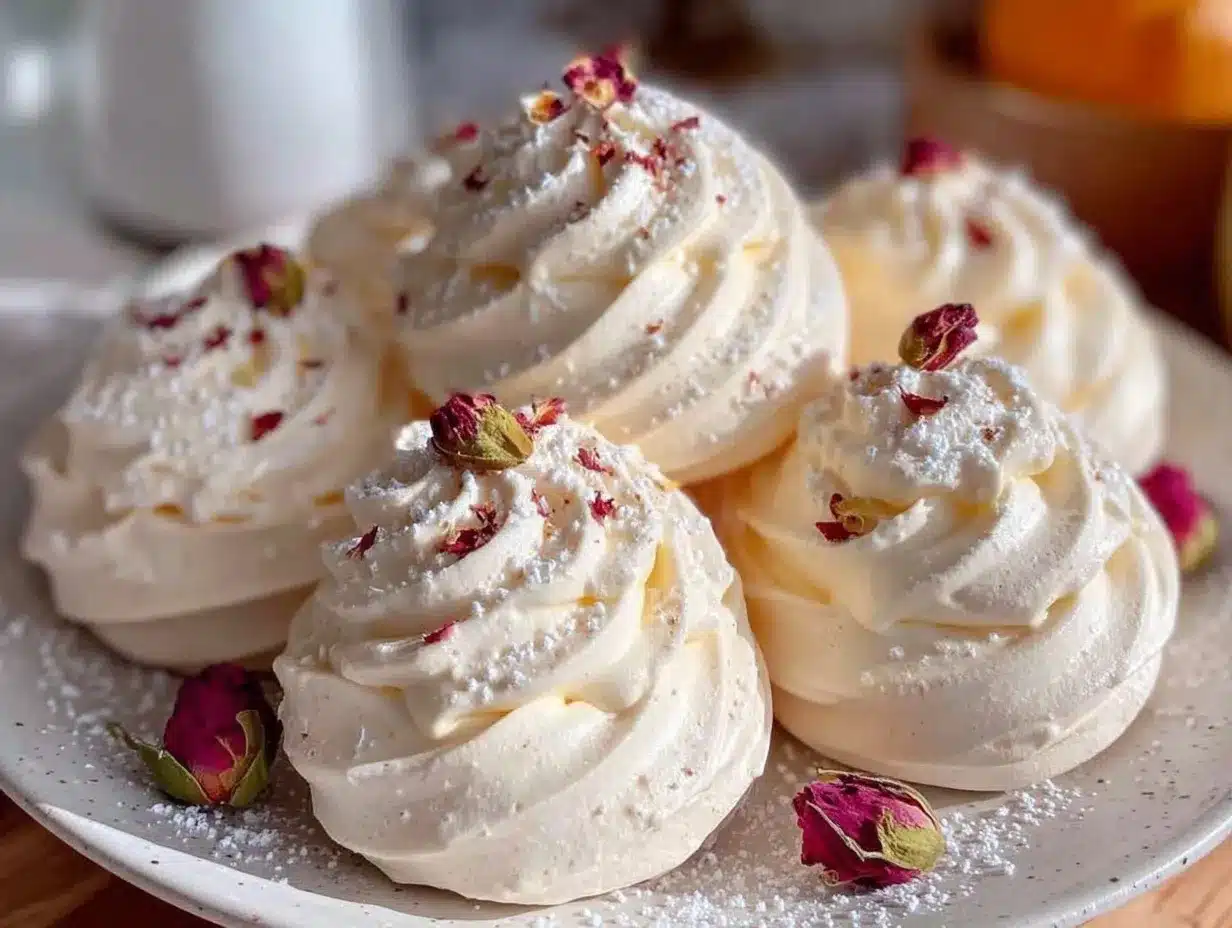
- Unbelievably Delicious: The texture is crisp on the outside, marshmallow-soft on the inside, with just the right hint of sweetness.
What sets this recipe apart? The secret is in the gentle folding and the slow baking process that dries out the meringue without browning it. It’s a delicate balance I nailed after a few trials — no gritty sugar, no sticky mess. Plus, I add a touch of cream of tartar to stabilize the aquafaba, which makes all the difference in holding those fluffy peaks.
This isn’t just a vegan swap; it’s a treat that feels like a little celebration every time you bite in. It’s proof that you don’t need eggs or gelatin to get that classic marshmallow texture. If you’ve ever loved the sweet fluffiness of marshmallows but wanted a cruelty-free alternative, these cookies are your new best friend.
What Ingredients You Will Need
This recipe uses simple, wholesome ingredients to deliver bold flavor and satisfying texture without the fuss. Most of these are pantry staples, and you can easily find them at your local grocery store or online.
- Aquafaba – the liquid from one 15-ounce (425g) can of chickpeas (make sure to use the liquid, not the beans).
- Granulated sugar – about 1 cup (200g); I prefer organic cane sugar for a cleaner taste.
- Cream of tartar – 1/4 teaspoon; this helps stabilize the aquafaba and whip it into firm peaks.
- Pure vanilla extract – 1 teaspoon; adds a gentle sweetness and depth.
- Salt – a pinch; balances the sweetness and enhances flavor.
- Optional flavorings – a pinch of cinnamon or cocoa powder for a twist.
If you want to switch things up, you can swap granulated sugar for coconut sugar for a slightly caramel note, or use maple syrup instead, but that might affect the crispness a bit. For a gluten-free version, this recipe is naturally free of gluten since it contains no flour.
When picking aquafaba, I recommend going for chickpeas packed in water without added salt or preservatives, as those tend to whip better. And if you’re curious, the leftover chickpeas can be saved for hummus or salads, so no waste here.
Equipment Needed
- Electric hand mixer or stand mixer – A stand mixer with a whisk attachment speeds up the process, but a strong hand mixer works well too.
- Mixing bowl – Use a large, clean, grease-free bowl to get those fluffy peaks. Glass or metal bowls are best, avoid plastic as it can hold residue that prevents whipping.
- Baking sheet – A rimmed baking sheet lined with parchment paper or a silicone baking mat.
- Spatula or spoon – For gently folding in vanilla and transferring the meringue onto the baking sheet.
- Measuring cups and spoons – Accuracy with sugar and cream of tartar is key for that perfect texture.
If you don’t have a stand mixer, I’ve used my trusty hand mixer many times and it’s just fine, though whipping takes a bit longer. Also, keeping your tools dry and room temperature helps immensely—the slightest grease or water can cause the aquafaba to deflate.
Preparation Method
- Preheat your oven to 200°F (95°C). This low temperature is essential to dry out the meringues slowly without browning.
- Drain the aquafaba from the can of chickpeas into your mixing bowl. Use about 3/4 cup (180 ml) of liquid. This amount whips up perfectly for a batch of cookies.
- Add cream of tartar (1/4 teaspoon) and start whipping the aquafaba on medium speed. This usually takes about 5-7 minutes to reach soft peaks.
- Gradually add sugar, about 1 tablespoon at a time, while continuing to whip. This slow addition helps dissolve the sugar and stabilizes the mixture. Whip until stiff, glossy peaks form—this can take 10-15 minutes. Test by rubbing a bit between your fingers; it should feel smooth, not grainy.
- Gently fold in vanilla extract and a pinch of salt with a spatula. Do this carefully to keep the air in the meringue.
- Transfer the meringue onto your prepared baking sheet. Use two spoons or a piping bag fitted with a plain tip to form small dollops or classic meringue shapes. Keep them about 1 inch (2.5 cm) apart.
- Bake at 200°F (95°C) for 90 minutes to 2 hours. The goal is to dry out the cookies, so they’re crisp on the outside but still a little marshmallow-soft inside. After baking, turn off the oven and leave the meringues inside for another hour or so to cool and fully dry.
- Remove and store in an airtight container once completely cool to keep their crispness.
Pro tip: If your peaks aren’t stiff enough, it’s usually because the bowl or whisk had a little oil or water. Also, don’t rush adding the sugar—it’s the difference between a gritty mess and that perfect smooth texture.
Cooking Tips & Techniques
Whipping aquafaba is a bit like magic, but there are a few tricks to get it just right. First, patience is key—don’t expect stiff peaks in the first few minutes. I’ve learned that using an electric mixer with a whisk attachment really cuts down on time and effort.
One common mistake is adding sugar too quickly. Adding it slowly while whipping lets it dissolve properly, avoiding grainy textures. Also, never skip the cream of tartar; it’s the secret weapon that keeps your aquafaba stable through baking.
Speaking from experience, sometimes the meringues can turn out sticky if baked too quickly or at too high a temperature. Keeping the oven low and slow is how you get that perfect crisp shell with a marshmallowy inside. I once impatiently cranked the heat and ended up with chewy blobs rather than airy cookies—lesson learned!
When shaping the meringues, I like using a piping bag for a neater look, but spoon dollops work just fine and give a rustic charm. Multitasking during baking is helpful—these are perfect while you’re prepping a main dish, like the flavor-packed Korean beef bowl I make on busy nights.
Variations & Adaptations
These vegan marshmallow treats are surprisingly versatile, and I’ve tried a few fun twists over time:
- Chocolate-Dusted Meringues: Lightly dust the formed meringues with cocoa powder before baking for a mocha hint.
- Flavored Extracts: Swap vanilla for almond or peppermint extract to create seasonal or holiday versions.
- Spiced Meringues: Add a pinch of ground cinnamon or cardamom into the sugar for a warm flavor.
If you want to bake these in an air fryer, set it to the lowest temperature possible and extend the drying time—check frequently to avoid browning. For a nut allergy-friendly batch, keep the recipe simple as is, avoiding extracts that contain nuts.
Once, I tried adding a touch of maple syrup instead of sugar, which made them a bit softer but added a lovely maple undertone. It’s fun to experiment, but if you want the classic crisp outside, stick with granulated sugar.
Serving & Storage Suggestions
These fluffy aquafaba meringue cookies are best served at room temperature. They make a charming snack on their own or a whimsical garnish atop hot chocolate or vegan ice cream. I often pair them with fresh berries for a light dessert that feels fancy but is super easy.
Store them in an airtight container at room temperature for up to two weeks. Avoid moisture at all costs—humidity is the enemy of crisp meringues. You can freeze them in a sealed bag for up to a month, just let them come to room temp before serving.
Reheating isn’t necessary, but if you prefer them a touch warm, a quick 2-3 minutes in a low oven (200°F / 95°C) will freshen their crispness. Over time, these cookies mellow out slightly in flavor but hold their texture well if kept dry.
Nutritional Information & Benefits
These vegan marshmallow treats are naturally low in fat and free from eggs and dairy, making them suitable for vegans and those with common allergies. Each cookie contains roughly 30-40 calories, mostly from sugar, with negligible protein or fat.
Aquafaba is a low-calorie, plant-based protein source, and using it in place of egg whites reduces cholesterol intake. Plus, this recipe contains no artificial additives or gelatin, which some people prefer to avoid for dietary or ethical reasons.
While these are still a sweet treat, I appreciate that they’re made from simple ingredients without preservatives or stabilizers. For anyone keeping an eye on allergens or wanting a plant-based option, this recipe fits the bill nicely.
Conclusion
Fluffy aquafaba meringue cookies aren’t just a vegan alternative—they’re a little moment of joy and discovery in the kitchen. I love how they transform a humble can of chickpeas into an airy, sweet treat that feels special without fuss. Whether you’re vegan, curious, or just love a good marshmallow texture, this recipe invites you to experiment and savor something different.
Feel free to make these your own with flavors or shapes that suit your mood. I’ve found that once you get the hang of whipping aquafaba, the possibilities feel endless. And hey, if you enjoy sweet treats with a bit of a twist, you might also appreciate the creamy chocolate pudding from scratch I’ve shared here.
Whenever I bring these cookies to friends, they ask for the recipe, and it’s always a fun surprise to reveal the secret ingredient. I hope you get the same delight from making and sharing them. Let me know how your batch turns out or any variations you try—I’m always eager to hear!
FAQs
Can I use aquafaba from homemade chickpeas instead of canned?
Yes! Homemade chickpea cooking liquid works, but it may be less viscous. Reduce it by simmering gently to concentrate before whipping.
How long do these meringue cookies keep their texture?
Stored properly in an airtight container away from moisture, they stay crisp for up to two weeks.
Can I make these meringues gluten-free?
Absolutely! This recipe is naturally gluten-free since it contains no flour or gluten ingredients.
What’s the best way to store leftover aquafaba?
Keep it in a sealed container in the fridge for up to 5 days or freeze in ice cube trays for longer storage.
Can I add food coloring to make colorful meringue cookies?
Yes, add a few drops of gel food coloring when the peaks are almost formed for vibrant, streaky effects without deflating the meringue.
Pin This Recipe!
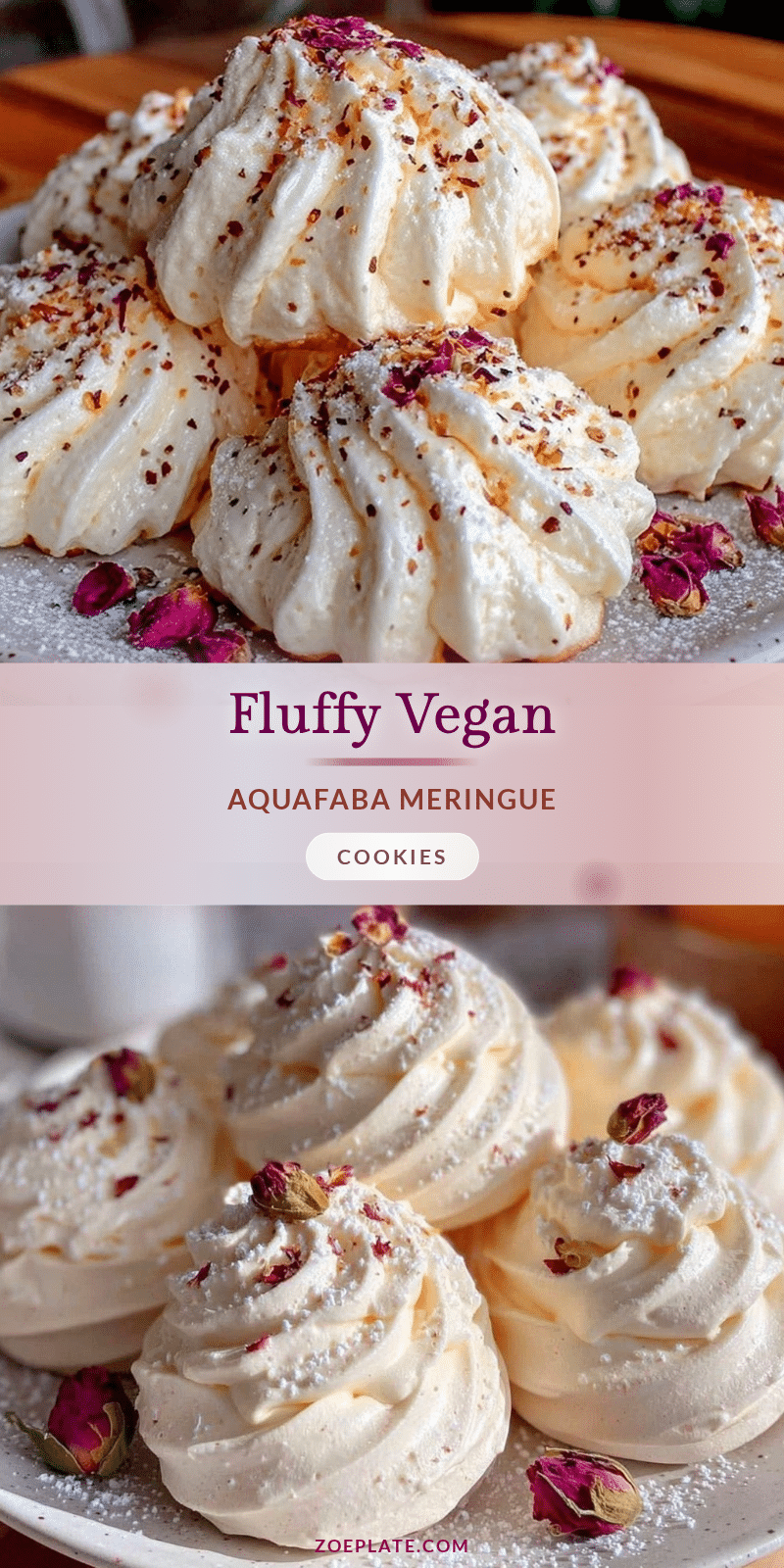
Fluffy Aquafaba Meringue Cookies Easy Vegan Marshmallow Treat Recipe
Light and airy vegan meringue cookies made from chickpea liquid (aquafaba), offering a cruelty-free alternative to classic marshmallows with a crisp outside and marshmallow-soft inside.
- Prep Time: 15 minutes
- Cook Time: 2 hours 30 minutes
- Total Time: 2 hours 45 minutes
- Yield: About 24 cookies 1x
- Category: Dessert
- Cuisine: Vegan
Ingredients
- 3/4 cup (180 ml) aquafaba (liquid from one 15-ounce can of chickpeas)
- 1 cup (200 g) granulated sugar (organic cane sugar preferred)
- 1/4 teaspoon cream of tartar
- 1 teaspoon pure vanilla extract
- Pinch of salt
- Optional: pinch of cinnamon or cocoa powder for flavor twist
Instructions
- Preheat your oven to 200°F (95°C).
- Drain the aquafaba from the can of chickpeas into a large, clean, grease-free mixing bowl.
- Add 1/4 teaspoon cream of tartar to the aquafaba and whip on medium speed until soft peaks form, about 5-7 minutes.
- Gradually add sugar, about 1 tablespoon at a time, while continuing to whip until stiff, glossy peaks form (10-15 minutes). Test by rubbing a bit between your fingers; it should feel smooth, not grainy.
- Gently fold in vanilla extract and a pinch of salt with a spatula, being careful to keep the air in the meringue.
- Transfer the meringue onto a rimmed baking sheet lined with parchment paper or a silicone baking mat using two spoons or a piping bag, forming small dollops about 1 inch apart.
- Bake at 200°F (95°C) for 90 minutes to 2 hours to dry out the cookies without browning them.
- After baking, turn off the oven and leave the meringues inside for another hour to cool and fully dry.
- Remove and store in an airtight container once completely cool to maintain crispness.
Notes
Use organic, low-sodium chickpeas for best whipping results. Add sugar slowly to avoid grainy texture. Keep tools dry and grease-free to ensure stiff peaks. Baking low and slow prevents browning and keeps the inside marshmallow-soft. Store in airtight container away from moisture for up to two weeks. Can freeze for up to one month. Optional flavor variations include cocoa powder dusting, almond or peppermint extract, and cinnamon or cardamom in sugar.
Nutrition
- Serving Size: 1 cookie
- Calories: 35
- Sugar: 9
- Sodium: 5
- Carbohydrates: 9
- Protein: 0.2
Keywords: aquafaba, vegan meringue, vegan marshmallow, chickpea water, vegan cookies, egg-free dessert, gluten-free, plant-based sweets