The last slice disappeared before I could even think about saving some for lunch the next day. My husband looked at me with that expression—the one that says “please tell me you remember exactly what you did.” That’s how you know a recipe has earned its spot. This meatloaf wasn’t planned for greatness. I was just trying to use up the ground beef in the fridge on a random Tuesday night.
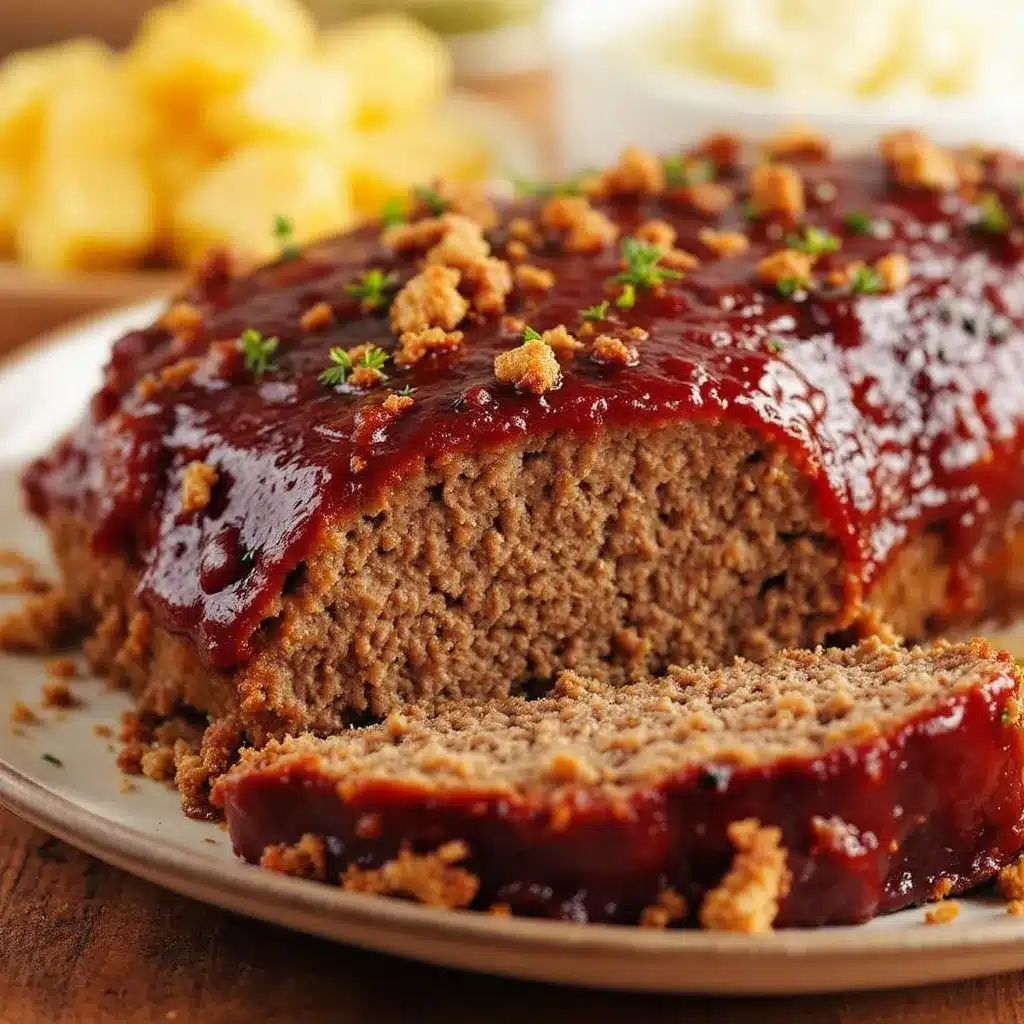
Honestly, I’ve had more meatloaf failures than I care to admit. Dry, crumbly, bland—the usual suspects. But this one? Something clicked. The brown sugar glaze caramelized into this sticky, tangy-sweet crust that made the edges the best part. The inside stayed shockingly tender. It felt like a real win in the kitchen, and not the kind you have to work hard for.
I’ve made it maybe ten times since that first night. Each time, I tweaked a little something until it felt bulletproof. This version is the one I’d serve to company without a second thought. It’s the kind of meal that makes people slow down and actually enjoy their dinner. No fuss, no complicated steps—just honest, satisfying food that delivers every single time.
So here it is. My best classic meatloaf with brown sugar glaze that actually lives up to the hype.
Why You’ll Love This Recipe
This isn’t just another meatloaf recipe that promises the world and delivers a dry, flavorless brick. I’ve tested this one over and over, tweaking ratios and techniques until it hit that sweet spot between old-school comfort and foolproof reliability. Here’s what makes it different:
- Ready in Under an Hour — From start to finish, you’re looking at about 60 minutes. No all-day simmering or complicated prep. Perfect for those nights when you want something hearty without spending hours in the kitchen.
- Pantry-Friendly Ingredients — You probably already have most of what you need. Ground beef, breadcrumbs, eggs, ketchup, brown sugar—the kind of stuff you keep on hand for exactly these moments.
- That Brown Sugar Glaze, Though — This is the star of the show. The glaze bakes into a sticky, caramelized crust that adds sweetness and tang in every bite. It’s what makes people ask for the recipe.
- Family-Approved — Kids love it. Adults love it. Even picky eaters tend to go back for seconds. It’s comfort food that actually brings people together.
- Leftovers That Shine — Cold meatloaf sandwiches the next day might honestly be better than the original. The flavors meld overnight, and the texture stays perfect.
What sets this recipe apart is the balance. The meatloaf itself is seasoned just right—not too salty, not too bland. The glaze isn’t an afterthought; it’s the finishing touch that pulls everything together. And the texture? Moist without being mushy. Firm enough to slice cleanly but tender enough to fall apart on your fork. It’s the kind of recipe you’ll come back to again and again, not because it’s trendy or fancy, but because it just works.
What Ingredients You Will Need
This recipe keeps things simple. You don’t need any specialty ingredients or hard-to-find items. Just good, honest pantry staples that come together beautifully. Here’s what you’ll need:
For the Meatloaf
- Ground beef (2 lbs) — I recommend 80/20 for the best balance of flavor and moisture. Leaner blends work too, but you might lose some tenderness. Ground chuck is my go-to.
- Breadcrumbs (1 cup) — Plain or Italian-style both work. Panko gives a lighter texture, while standard breadcrumbs make it more traditional. If you’re out, crushed crackers or even rolled oats can step in.
- Milk (½ cup) — This keeps the meatloaf tender. Whole milk works best, but any kind will do. The milk soaks into the breadcrumbs and creates steam as it bakes, which prevents dryness.
- Eggs (2 large) — The binder that holds everything together. Make sure they’re at room temperature for even mixing.
- Ketchup (⅓ cup) — Adds moisture and a subtle tang to the meat mixture itself. I use Heinz, but any brand works.
- Worcestershire sauce (2 tablespoons) — That deep, savory umami flavor you can’t quite put your finger on. Don’t skip this one.
- Yellow onion (1 medium, finely diced) — Adds sweetness and texture. Sauté it first if you want it extra soft, but raw works fine if you dice it small enough.
- Garlic (3 cloves, minced) — Fresh is best here. The jarred stuff works in a pinch, but fresh garlic gives a cleaner kick.
- Salt (1 teaspoon) — Kosher salt preferred. Adjust based on your preference and dietary needs.
- Black pepper (½ teaspoon) — Freshly ground if you can manage it.
- Dried thyme (1 teaspoon) — Earthy and aromatic. You can swap in dried oregano or Italian seasoning if that’s what you have.
- Paprika (1 teaspoon) — Smoked paprika adds a lovely depth, but sweet paprika works too.
For the Brown Sugar Glaze
- Ketchup (½ cup) — The base of the glaze. It thickens and caramelizes beautifully in the oven.
- Brown sugar (⅓ cup, packed) — Light or dark both work. Dark brown sugar gives a deeper, molasses-like flavor. This is what creates that signature sticky-sweet crust.
- Apple cider vinegar (1 tablespoon) — Cuts through the sweetness and adds a necessary tang. White vinegar works too, but apple cider is gentler.
- Worcestershire sauce (1 teaspoon) — A little extra depth in the glaze.
- Garlic powder (½ teaspoon) — Optional, but I love the subtle savory note it adds to the glaze.
One quick note on the ground beef: I’ve tried this with ground turkey and chicken, and honestly, it’s not the same. The fat content in beef is what gives meatloaf its signature texture. If you need to go leaner, add an extra tablespoon of olive oil to the mix.
Equipment Needed
Nothing fancy here. You probably already own everything you need:
- Large mixing bowl — Big enough to get your hands in there and mix everything together. I use a ceramic bowl, but metal or glass works fine.
- Baking sheet or loaf pan — I prefer a rimmed baking sheet lined with foil. It lets the fat drain away and gives you more caramelized surface area. A standard 9×5 loaf pan works too, but you’ll get less of that delicious crust.
- Parchment paper or foil — For easy cleanup. Trust me on this one.
- Small bowl — For whisking together the glaze.
- Chef’s knife and cutting board — For dicing the onion and mincing the garlic.
- Measuring cups and spoons — Accuracy matters, especially with the seasonings.
- Meat thermometer — This is non-negotiable if you want perfect results. An instant-read thermometer takes the guesswork out of doneness.
- Pastry brush — For applying the glaze. A spoon works too, but a brush gives you more even coverage.
If you don’t have a meat thermometer, you can get a decent one for under ten bucks. It’s one of those tools that pays for itself the first time you use it. I’ve ruined plenty of meatloaves before I started using one.
Preparation Method
Let’s walk through this step by step. I’ll include all the little details I wish someone had told me the first time.
- Preheat your oven to 375°F (190°C). Line a rimmed baking sheet with foil or parchment paper. If you’re using a loaf pan, lightly grease it with cooking spray.
- Prepare the glaze first. In a small bowl, whisk together ½ cup ketchup, ⅓ cup packed brown sugar, 1 tablespoon apple cider vinegar, 1 teaspoon Worcestershire sauce, and ½ teaspoon garlic powder. Set it aside. Letting it sit while you prep the meatloaf allows the flavors to meld.
- Sauté the onion and garlic (optional but recommended). Heat a small skillet over medium heat with a drizzle of olive oil. Add the diced onion and cook for 3-4 minutes until translucent. Add the minced garlic and cook for another 30 seconds. Let this cool slightly before adding to the meat mixture. Raw onion works fine, but sautéing it first removes the sharp bite and adds sweetness.
- Combine the wet ingredients. In a large mixing bowl, whisk together the milk, eggs, ⅓ cup ketchup, and 2 tablespoons Worcestershire sauce until smooth. This ensures the flavors are evenly distributed before you add the meat.
- Add the dry ingredients. Stir in the breadcrumbs, salt, pepper, dried thyme, and paprika. Let the mixture sit for 2-3 minutes so the breadcrumbs can absorb the liquid. This step is crucial for texture.
- Add the onion and garlic. Stir in the sautéed (or raw) onion and garlic.
- Add the ground beef. Crumble the ground beef into the bowl. Here’s the most important tip: use your hands to mix everything together gently. Overmixing is the number one cause of dense, tough meatloaf. Mix just until everything is combined—about 30 seconds of gentle folding and squeezing. You should still see small chunks of beef.
- Shape the meatloaf. Transfer the mixture to your prepared baking sheet. Shape it into a loaf about 8 inches long and 4 inches wide. Try to make it uniform in thickness so it cooks evenly. If you’re using a loaf pan, press the mixture in gently without compacting it too much.
- Apply the first layer of glaze. Use your pastry brush or a spoon to spread about half of the glaze over the top and sides of the meatloaf. Reserve the rest for later.
- Bake for 30 minutes. Place the meatloaf in the preheated oven and let it cook undisturbed. The glaze will start to caramelize and the edges will begin to brown.
- Apply the second layer of glaze. After 30 minutes, remove the meatloaf from the oven. Brush or spoon the remaining glaze over the top. This second layer creates that thick, sticky, caramelized crust you’re after.
- Continue baking. Return the meatloaf to the oven and bake for another 15-20 minutes. The internal temperature should reach 160°F (71°C) when measured at the thickest part. If you’re using a loaf pan, it might need an extra 5-10 minutes.
- Let it rest. This is the hardest part. Remove the meatloaf from the oven and let it rest on the baking sheet for 10 minutes. Resting allows the juices to redistribute throughout the meatloaf. If you cut into it too soon, all those precious juices will run out onto the pan instead of staying in your slices.
- Slice and serve. Use a sharp knife to cut thick slices. The meatloaf should hold together nicely but yield easily to pressure.
A few sensory cues to watch for: the glaze should look dark and sticky, almost like a thick barbecue sauce. The edges of the meatloaf will be slightly darker and caramelized. When you insert a thermometer, it should slide in smoothly with no resistance. And the smell? Your whole kitchen will smell like comfort.
Cooking Tips & Techniques
I’ve made enough meatloaf mistakes to fill a small notebook. Here’s what I’ve learned the hard way:
Don’t overmix. I cannot stress this enough. The more you handle ground beef, the tougher it gets. Mix until everything just comes together, then stop. A few streaks of breadcrumb or a slightly uneven texture is fine. Your meatloaf will thank you.
Use a meat thermometer. I used to guess doneness by cutting into the center. That’s how you end up with dry meatloaf. 160°F is the magic number. Pull it out at exactly that temperature, and you’ll get perfectly cooked meat every time.
Let it rest. I know you’re hungry. I know it smells amazing. But those 10 minutes of resting are non-negotiable. The meatloaf continues cooking slightly from residual heat, and the juices settle back into the meat. Slice too early, and you’ll have a crumbly mess.
Shape it for maximum crust. If you want more of that caramelized glaze, shape the meatloaf into a flatter, wider loaf on a baking sheet. More surface area means more crust. A loaf pan gives you a taller, more traditional shape but less surface area for the glaze to work its magic.
Line your pan. Foil or parchment paper makes cleanup a breeze. The glaze gets sticky and can be a pain to scrub off. Plus, the foil helps with even heat distribution.
Toast your breadcrumbs first. This is a pro tip I picked up from a chef friend. Spread the breadcrumbs on a baking sheet and toast them in the oven for 5 minutes at 350°F. It adds a subtle nutty flavor and helps the meatloaf hold its shape better.
One mistake I made early on: I used lean ground beef because I thought it was healthier. The meatloaf came out dry and crumbly, and no amount of glaze could save it. The fat in 80/20 ground beef is what keeps everything moist and tender. Trust the process.
Variations & Adaptations
This recipe is flexible. Here are some ways to make it your own:
Turkey or Chicken Meatloaf — Swap the ground beef for ground turkey or chicken. Add 2 tablespoons of olive oil to the mixture to compensate for the lower fat content. The cooking time stays about the same, but start checking the temperature at 45 minutes. Turkey and chicken cook faster and can dry out quickly.
Gluten-Free Version — Replace the breadcrumbs with gluten-free breadcrumbs or crushed gluten-free crackers. Almond flour works too, but use about ¾ cup instead of 1 cup since it’s more absorbent. The texture will be slightly different, but still delicious.
Spicy Kick — Add 1-2 tablespoons of sriracha or your favorite hot sauce to the meat mixture. For the glaze, swap out some of the ketchup for chipotle in adobo sauce (blended smooth). The smoky heat pairs beautifully with the sweet brown sugar.
Cheese-Stuffed Meatloaf — Shape the meatloaf into a flat rectangle on your work surface. Lay strips of mozzarella or cheddar cheese down the center, then fold the meat over to enclose the cheese. Bake as directed. The melted cheese center is a crowd-pleaser.
BBQ Glaze Twist — Replace the ketchup in the glaze with your favorite barbecue sauce. Use honey instead of brown sugar for a different sweetness profile. It gives the meatloaf a completely different personality—smoky, tangy, and slightly sweet.
I tried a version with grated zucchini mixed into the meat once. It added moisture without changing the flavor much. If you’re looking to sneak in some veggies, that’s an easy one. Just squeeze the excess moisture out of the zucchini before adding it.
Serving & Storage Suggestions
This meatloaf is a meal in itself, but the right sides can take it to another level. Here’s how I like to serve it:
Serving Temperature — Serve warm, straight from the oven after the resting period. The glaze should still be slightly sticky and the interior piping hot. Leftovers are excellent cold or reheated.
Classic Sides — Mashed potatoes are the obvious choice, and for good reason. The creamy potatoes soak up any extra glaze on the plate. Roasted vegetables like carrots, green beans, or Brussels sprouts add color and balance. A simple side salad with a tangy vinaigrette cuts through the richness nicely.
Bread Pairings — Crusty bread or dinner rolls are perfect for sopping up the glaze. If you’re feeling ambitious, try making some fluffy Japanese Hokkaido milk bread dinner rolls to serve alongside. The soft, pillowy texture is a beautiful contrast to the hearty meatloaf.
Beverage Pairings — A full-bodied red wine like a Zinfandel or Malbec stands up to the richness of the meatloaf. For beer drinkers, a brown ale or amber lager works well. If you’re going non-alcoholic, a tart cherry or cranberry juice cocktail complements the sweet glaze.
Storage Instructions — Store leftover meatloaf in an airtight container in the refrigerator for up to 4 days. Wrap individual slices in plastic wrap for easy grab-and-go lunches. The flavors actually improve after a day in the fridge.
Freezing — You can freeze the entire cooked meatloaf or individual slices. Wrap tightly in plastic wrap, then foil, and place in a freezer bag. It keeps for up to 3 months. Thaw overnight in the refrigerator before reheating.
Reheating — The best way to reheat is in a 350°F oven for 10-15 minutes, covered with foil to prevent drying out. You can also microwave individual slices for 1-2 minutes, but the texture won’t be quite as good. For a quick lunch, I love cold meatloaf sandwiches on toasted bread with a smear of extra glaze or mayo.
Nutritional Information & Benefits
Here’s the estimated nutritional breakdown per serving (based on 8 servings):
- Calories: 385
- Protein: 28g
- Fat: 22g
- Carbohydrates: 18g
- Fiber: 1g
- Sugar: 12g
- Sodium: 680mg
This recipe is a solid source of protein, which helps with muscle repair and keeps you feeling full. The iron from the beef supports healthy blood oxygen levels. The onions and garlic provide antioxidants and compounds that support immune health.
If you’re watching your sodium intake, use low-sodium ketchup and Worcestershire sauce. You can also reduce the salt in the meat mixture to ½ teaspoon. The glaze contributes some sodium, but it’s mostly from the ketchup.
For those managing blood sugar, the brown sugar in the glaze adds about 12g of sugar per serving. You can reduce it to ¼ cup or use a sugar substitute like monk fruit sweetener. The texture of the glaze will be slightly different, but it still works.
This recipe contains gluten (from the breadcrumbs) and dairy (from the milk). For gluten-free, use gluten-free breadcrumbs. For dairy-free, substitute the milk with unsweetened almond milk or oat milk.
Honestly, this isn’t a health food. It’s comfort food. But knowing what’s in it helps you make informed choices about how it fits into your overall diet. Pair it with a big green salad or roasted vegetables, and you’ve got a balanced meal that satisfies both your taste buds and your nutritional needs.
Conclusion
This meatloaf has become a staple in my kitchen for a reason. It’s the kind of recipe that doesn’t try to be fancy or complicated. It just delivers. Every single time. The brown sugar glaze caramelizes into something magical, the meat stays tender and juicy, and the whole thing comes together with minimal effort.
I love that I can make it on a busy Tuesday night or double the recipe for a Sunday dinner with friends. It’s forgiving enough for beginners but satisfying enough for experienced cooks who just want a reliable meal. The leftovers make the best sandwiches, and honestly, I sometimes look forward to those more than the original dinner.
If you try this recipe, I’d love to hear how it goes. Leave a comment below and let me know what sides you paired it with or if you tried any of the variations. Did you go with the classic mashed potatoes? Did you stuff it with cheese? Did your family ask for the recipe? Share your wins—I read every single comment.
And if you’re looking for another comforting meal to add to your rotation, check out this cozy slow cooker pot roast with garlic herb root vegetables. It’s another one of those recipes that feels like a hug in a bowl. Or for something a little different, try these comforting cheesy ground turkey stuffed bell peppers for a lighter take on comfort food.
Happy cooking, friends. Make it your own, and enjoy every bite.
Frequently Asked Questions
Can I make this meatloaf ahead of time?
Absolutely. You can assemble the meatloaf mixture, shape it on the baking sheet, and refrigerate it uncovered for up to 24 hours before baking. Just add the glaze right before it goes in the oven. The flavors actually meld together nicely overnight. If you’re prepping the glaze ahead, store it in a separate container in the fridge.
Why did my meatloaf fall apart?
This usually happens for one of three reasons: not enough binder (eggs or breadcrumbs), overmixing (which breaks down the protein structure), or not letting it rest after baking. Make sure you’re using the full amount of breadcrumbs and eggs, mix gently, and let it rest for a full 10 minutes before slicing. If it’s still falling apart, add an extra egg next time.
Can I use a different type of ground meat?
Yes, but with adjustments. Ground turkey or chicken works, but add 2 tablespoons of olive oil to keep it moist. Ground pork is excellent and adds extra richness. You can also do a blend—half beef, half pork is a classic combination. Just make sure the internal temperature reaches 160°F no matter what meat you use.
How do I prevent the glaze from burning?
The brown sugar in the glaze can burn if it’s exposed to high heat for too long. That’s why we apply it in two stages. The first layer goes on for the initial 30-minute bake, and the second layer goes on for the final 15-20 minutes. If you notice the edges getting too dark, tent the meatloaf loosely with foil for the last 10 minutes of baking.
Can I double this recipe?
Easily. Double all the ingredients and shape into two loaves on separate baking sheets. Make sure they’re not touching so the heat circulates evenly. The cooking time might increase by 5-10 minutes, so rely on your meat thermometer rather than the clock. You can also freeze one loaf before baking for an easy meal later.
Pin This Recipe!
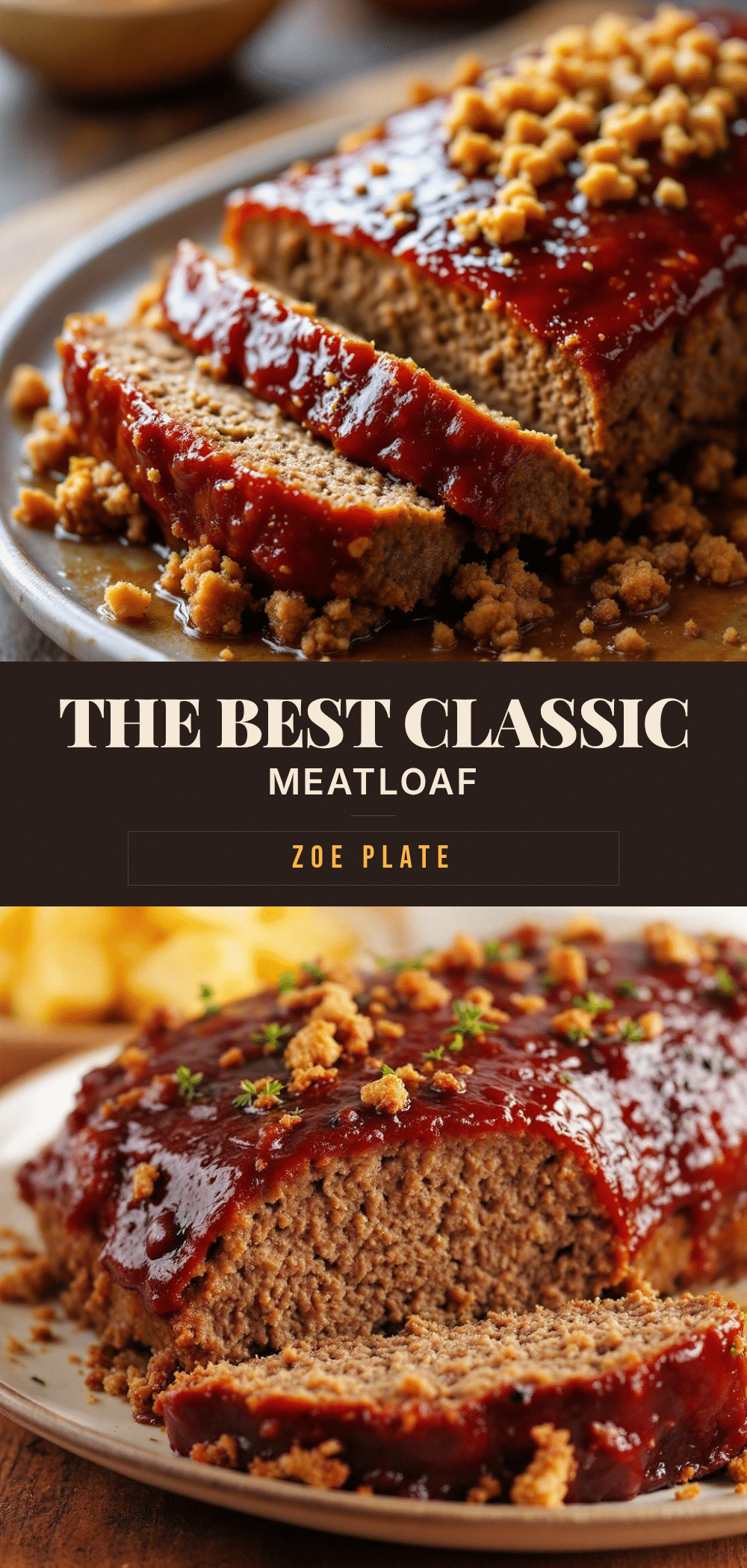
Best Classic Meatloaf with Brown Sugar Glaze (Easy 60-Min Recipe)
This classic meatloaf features a sticky, tangy-sweet brown sugar glaze that caramelizes into a perfect crust, while the inside stays tender and juicy. Ready in under an hour, it’s a foolproof comfort food that delivers every time.
- Prep Time: 15 minutes
- Cook Time: 45 minutes
- Total Time: 60 minutes
- Yield: 8 servings 1x
- Category: Main Course
- Cuisine: American
Ingredients
- 2 lbs ground beef (80/20)
- 1 cup breadcrumbs (plain or Italian-style)
- ½ cup milk
- 2 large eggs
- ⅓ cup ketchup
- 2 tablespoons Worcestershire sauce
- 1 medium yellow onion, finely diced
- 3 cloves garlic, minced
- 1 teaspoon salt
- ½ teaspoon black pepper
- 1 teaspoon dried thyme
- 1 teaspoon paprika
- ½ cup ketchup (for glaze)
- ⅓ cup brown sugar, packed (for glaze)
- 1 tablespoon apple cider vinegar (for glaze)
- 1 teaspoon Worcestershire sauce (for glaze)
- ½ teaspoon garlic powder (for glaze)
Instructions
- Preheat your oven to 375°F (190°C). Line a rimmed baking sheet with foil or parchment paper.
- Prepare the glaze: In a small bowl, whisk together ½ cup ketchup, ⅓ cup packed brown sugar, 1 tablespoon apple cider vinegar, 1 teaspoon Worcestershire sauce, and ½ teaspoon garlic powder. Set aside.
- Sauté the onion and garlic (optional but recommended): Heat a small skillet over medium heat with a drizzle of olive oil. Add the diced onion and cook for 3-4 minutes until translucent. Add the minced garlic and cook for another 30 seconds. Let cool slightly.
- Combine the wet ingredients: In a large mixing bowl, whisk together the milk, eggs, ⅓ cup ketchup, and 2 tablespoons Worcestershire sauce until smooth.
- Add the dry ingredients: Stir in the breadcrumbs, salt, pepper, dried thyme, and paprika. Let the mixture sit for 2-3 minutes so the breadcrumbs can absorb the liquid.
- Add the onion and garlic: Stir in the sautéed (or raw) onion and garlic.
- Add the ground beef: Crumble the ground beef into the bowl. Use your hands to mix everything together gently until just combined (about 30 seconds). Do not overmix.
- Shape the meatloaf: Transfer the mixture to the prepared baking sheet. Shape it into a loaf about 8 inches long and 4 inches wide, uniform in thickness.
- Apply the first layer of glaze: Use a pastry brush or spoon to spread about half of the glaze over the top and sides of the meatloaf.
- Bake for 30 minutes: Place the meatloaf in the preheated oven and bake undisturbed.
- Apply the second layer of glaze: After 30 minutes, remove the meatloaf from the oven. Brush or spoon the remaining glaze over the top.
- Continue baking: Return the meatloaf to the oven and bake for another 15-20 minutes, until the internal temperature reaches 160°F (71°C) at the thickest part.
- Let it rest: Remove the meatloaf from the oven and let it rest on the baking sheet for 10 minutes.
- Slice and serve: Use a sharp knife to cut thick slices.
Notes
Don’t overmix the meat; use a meat thermometer for perfect doneness; let the meatloaf rest for 10 minutes before slicing; for more crust, shape into a flatter loaf on a baking sheet; line the pan with foil for easy cleanup.
Nutrition
- Serving Size: 1 slice (based on 8
- Calories: 385
- Sugar: 12
- Sodium: 680
- Fat: 22
- Saturated Fat: 8
- Carbohydrates: 18
- Fiber: 1
- Protein: 28
Keywords: meatloaf, brown sugar glaze, classic meatloaf, easy meatloaf, comfort food, ground beef recipe