It is just past seven on a Tuesday in November, and the only thing I want is Perfect Roasted Acorn Squash with Pomegranate. The house is quiet, except for the hum of the refrigerator and the faint crackle of the oven vent. Outside, the wind is rattling the windowpanes, pushing away the last bits of daylight. I stand by the counter, knife in hand, watching the steam rise from a mug of tea I haven’t touched in twenty minutes.
There is something deeply grounding about roasting squash when the world feels a bit too sharp and cold. It smells like warmth. It smells like safety. This isn’t a recipe for a holiday feast or a fancy dinner party where everyone is judging your plating skills. This is for the lonely weeknight. This is for when you need to feed your body something that feels like a hug.
I remember the first time I made this. I had come home from work exhausted, my shoes still damp from the rain. I didn’t want to cook anything complicated. I just wanted color. I wanted something that didn’t require chopping a dozen different vegetables or cleaning a mountain of pots. The acorn squash sat in my pantry, hard and unassuming. I poked it with a fork, drizzled it with oil, and tossed it in the oven.
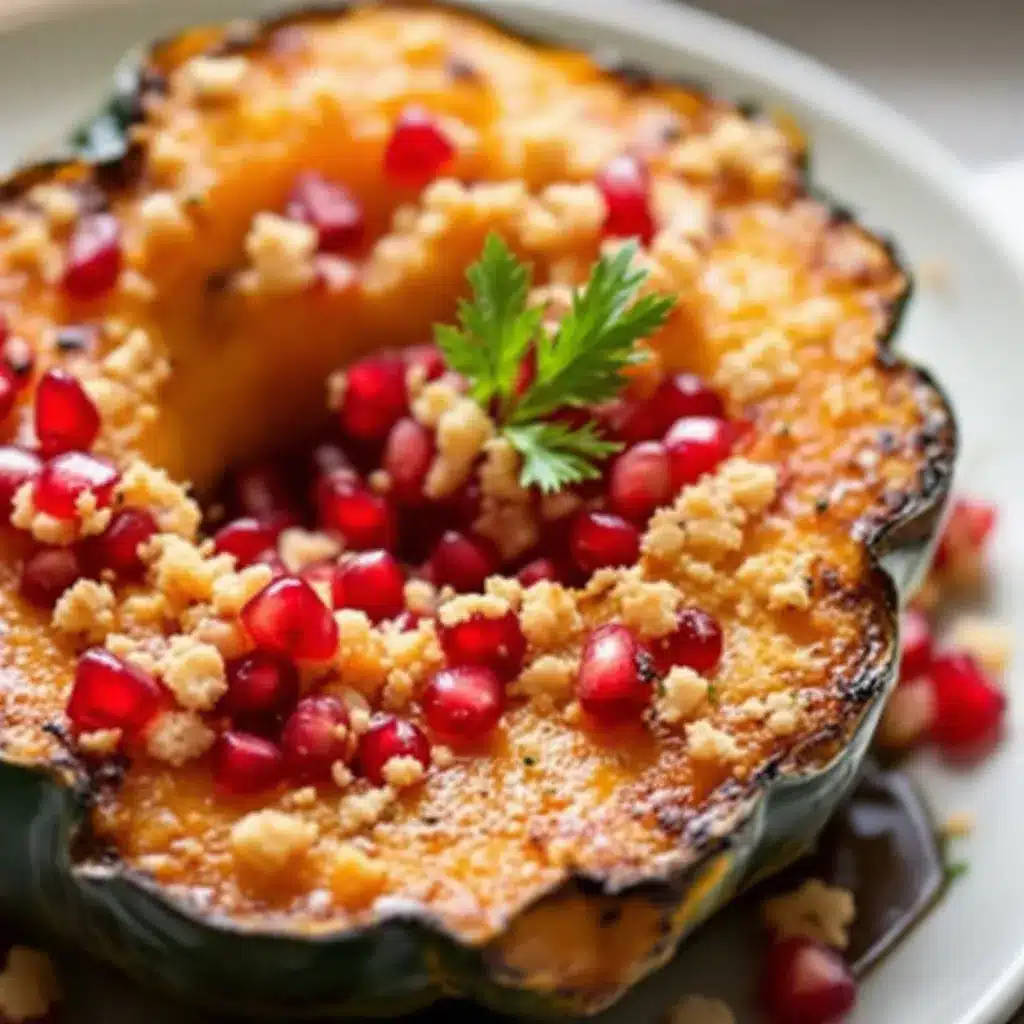
When I pulled it out, the edges were caramelized, almost brown in spots. I sprinkled pomegranate arils over the top, and they looked like little rubies against the orange flesh. I took one bite, and the tartness cut through the sweetness. It was simple. It was perfect. And honestly? It made the rest of the evening feel a little less heavy. You know how some meals just stick with you? This is one of those. It’s quiet, it’s easy, and it tastes like late autumn.
Why You’ll Love This Recipe
Let’s be honest for a second. We all have those days where cooking feels like a chore. You’re tired, you’re hungry, and the last thing you want to do is spend an hour prepping ingredients. That’s exactly why this recipe works so well. I’ve tested this method dozens of times—sometimes I rush it, sometimes I let it get a bit too charred (which, let’s face it, is also delicious). But the core technique remains the same: simple, reliable, and incredibly rewarding.
- Quick & Easy: Yes, the oven takes time to heat up, but the actual hands-on time is under fifteen minutes. Once that squash is in the oven, you can go read a book, take a shower, or just stare at the wall. It’s perfect for busy weeknights or when you just need a break.
- Simple Ingredients: You likely already have everything in your kitchen. Acorn squash, olive oil, salt, pepper, and pomegranate seeds. No fancy grocery trips needed. If you don’t have pomegranates, cranberries work too, but the seeds add a beautiful crunch.
- Perfect for Meal Prep: This isn’t just for tonight. These squash halves reheat beautifully in the microwave or a low oven. I often make two at a time so I have a healthy side dish ready for lunch the next day. It pairs wonderfully with the cozy crockpot butternut squash soup if you’re looking for a full squash-themed evening.
- Crowd-Pleaser: Even people who claim they “don’t like vegetables” usually love this. The natural sweetness of the squash balances the tartness of the pomegranate perfectly. It feels fancy, but it’s actually quite humble.
- Unbelievably Delicious: The texture is key here. You want the inside to be creamy and soft, almost like a potato, but with the distinct earthy flavor of acorn squash. The contrast between the soft flesh and the popping seeds is next-level comfort food.
What makes this different from other roasted squash recipes? It’s the balance. Many recipes go heavy on the maple syrup or brown sugar, masking the natural flavor. I prefer to let the squash shine, using just a touch of sea salt to bring out the sweetness. It’s healthier, faster, and has that soul-soothing satisfaction without the sugar crash. It’s the kind of side dish that turns a simple roast chicken or grilled salmon into a memorable meal.
What Ingredients You Will Need
This recipe relies on the quality of just a few components. Because there are so few ingredients, each one plays a huge role in the final flavor profile. You don’t need exotic spices or hard-to-find items. This is pantry-friendly cooking at its best. I like to keep a stash of pomegranate seeds in the freezer during winter, but fresh seeds are wonderful when they are in season.
- Acorn Squash (2 medium): Look for squash that feels heavy for its size. This indicates it is full of moisture and sweetness. The skin should be dark green with some white patches, and it should be hard to puncture with your fingernail. I prefer smaller to medium squash because they cook more evenly and have a better texture. Large ones can sometimes be stringy or watery.
- Extra Virgin Olive Oil (2 tablespoons): Use a good quality oil. It doesn’t have to be expensive, but avoid the cheap, flavorless stuff. The oil helps conduct heat and creates that beautiful caramelization on the edges. I recommend using a oil with a fruity note, which complements the earthy squash.
- Pomegranate Arils (1/2 cup): These are the seeds inside the pomegranate. They add a burst of acidity and crunch. If you can’t find pre-cut arils, buying a whole pomegranate is worth the effort. It’s a bit messy, but watching a video on how to do it makes it easy. In a pinch, dried cranberries or fresh blueberries work, though the texture will differ.
- Unsalted Butter (1 tablespoon, optional): For a richer flavor, I often add a small pat of butter to the squash right after it comes out of the oven. It melts into the hot flesh and adds a velvety mouthfeel. If you are dairy-free, skip this or use a plant-based butter.
- Sea Salt (1/2 teaspoon): Flaky sea salt is best for finishing. It dissolves slowly and provides little bursts of savory flavor. Kosher salt works too, but you may need to use a bit more. Avoid table salt, as it can be too metallic and harsh.
- Black Pepper (1/4 teaspoon): Freshly cracked black pepper adds a subtle heat that balances the sweetness. Pre-ground pepper loses its potency quickly, so take the time to grind it fresh.
- Thyme or Sage (1 teaspoon, fresh): Fresh herbs elevate this dish significantly. Thyme adds a lemony, earthy note, while sage adds a deeper, savory aroma. If you only have dried herbs, use half the amount, as they are more concentrated. I personally prefer thyme for this specific pairing.
Feel free to swap ingredients based on what you have. If you don’t like thyme, rosemary is a good alternative. If you are out of olive oil, avocado oil works well too because of its high smoke point. The key is to keep the seasoning simple so the natural flavors of the squash can take center stage.
Equipment Needed
You don’t need a fancy kitchen to make this. Here is what you’ll need:
- Sharp Chef’s Knife: This is the most important tool. Acorn squash is hard. A dull knife is dangerous. Make sure your knife is sharp so you can cut through the skin safely.
- Sturdy Cutting Board: Use a thick, non-slip cutting board. If your board slides around, stop and put a damp towel underneath it. Safety first.
- Baking Sheet: A standard half-sheet pan works perfectly. Line it with parchment paper for easy cleanup. I find parchment paper prevents any sticking and makes cleanup almost zero-effort.
- Parchment Paper: Highly recommended. It keeps the pan clean and helps the squash steam slightly inside, keeping the flesh moist.
- Small Spoon: You’ll need this to scoop out the seeds and stringy pulp from the center of the squash.
If you don’t have a sharp knife, ask your local grocery store to cut it for you. Many places will do this for free. Alternatively, you can microwave the whole squash for two minutes to soften the skin slightly before cutting. For the baking sheet, any metal pan works, but dark pans may cause the edges to brown faster, so keep an eye on them.
Preparation Method
- Preheat the Oven: Set your oven to 400°F (200°C). This is a crucial step. You want a hot oven to roast the squash, not bake it dry. While the oven heats, place a rack in the center position. This ensures even heat distribution. (Time: 10 minutes)
- Prepare the Squash: Wash the acorn squash thoroughly under cold water. Dry it completely. Place it on your cutting board. Using your sharp chef’s knife, carefully slice the squash in half from stem to base. Be careful here—apply steady pressure and let the knife do the work. Do not force it. Once halved, scoop out the seeds and stringy pulp with a spoon. Discard the seeds or save them for roasting if you like. (Time: 5 minutes)
- Season the Halves: Drizzle the cut sides of the squash with the olive oil. Use your fingers or a brush to spread the oil evenly, making sure to get into the nooks and crannies. Sprinkle with sea salt and black pepper. If using fresh herbs, chop them roughly and sprinkle them over the oil. (Time: 2 minutes)
- Arrange on Baking Sheet: Place the squash halves cut-side up on the parchment-lined baking sheet. Make sure they are not touching each other. This allows hot air to circulate around each piece, promoting even cooking and browning. If your pan is small, you may need to do this in two batches. (Time: 1 minute)
- Roast: Place the baking sheet in the preheated oven. Roast for 35-45 minutes. The squash is done when the flesh is tender and easily pierced with a fork. The edges should be golden brown and slightly caramelized. Do not skip the browning step; it adds depth of flavor. (Time: 45 minutes)
- Check for Doneness: After 35 minutes, check the squash. If the flesh is still firm, give it another 5-10 minutes. If it is tender but pale, you can broil it for 1-2 minutes to get some color. Watch it closely during broiling, as it can burn quickly. (Time: 5-10 minutes)
- Add Pomegranate: Once the squash is out of the oven, immediately sprinkle the pomegranate arils over the hot flesh. The residual heat will slightly warm the seeds, releasing their aroma. If using butter, add it now and let it melt. (Time: 1 minute)
- Serve: Serve immediately while hot. The contrast between the hot, soft squash and the cool, crunchy pomegranate seeds is the best part. (Time: 1 minute)
Troubleshooting tip: If your squash comes out watery, it might be because your oven wasn’t hot enough or the pan was overcrowded. Ensure your oven is fully preheated and leave space between the halves. If the edges burn too quickly, cover them loosely with foil for the last 10 minutes of cooking.
Cooking Tips & Techniques
Roasting squash seems simple, but there are a few tricks to get it perfect every time. I learned these the hard way, mostly through burnt edges and undercooked centers. First, always cut the squash in half. Quartering it can lead to uneven cooking because the thick parts near the skin take longer to soften. Halves ensure that the heat penetrates evenly to the center.
Another common mistake is using too much oil. You don’t want to fry the squash; you just want to coat it. Too much oil can make the flesh greasy and prevent proper browning. A light, even coat is all you need. I’ve also found that adding a pinch of cinnamon or nutmeg can enhance the natural sweetness, but I usually skip this to let the pomegranate shine. It’s a personal preference, so feel free to experiment.
Timing is everything. Ovens vary, so start checking your squash at the 35-minute mark. A fork should slide into the flesh with zero resistance. If it meets resistance, keep roasting. Also, let the squash rest for 5 minutes after taking it out of the oven. This allows the juices to redistribute, ensuring every bite is moist. Multitasking is easy here—while the squash roasts, you can prep your main course or set the table. It’s a low-stress cooking method that fits into almost any schedule.
Variations & Adaptations
One of the best things about this recipe is how adaptable it is. Here are a few ways to change it up:
- Spicy Kick: Add a pinch of cayenne pepper or red pepper flakes before roasting. The heat pairs surprisingly well with the sweet pomegranate. This is great if you like a bit of fire with your food.
- Herb-Forward: Swap thyme for rosemary or sage. Rosemary is stronger, so use less. Sage adds a classic autumn flavor that goes well with butter.
- Dairy-Free: Skip the butter entirely. The olive oil and pomegranate provide enough richness. This makes the recipe vegan-friendly.
- Gluten-Free: This recipe is naturally gluten-free. Just ensure your pomegranate seeds are not processed in a facility with cross-contamination if you have severe allergies.
- Personal Favorite: I once added a drizzle of balsamic glaze after roasting. The tangy sweetness was incredible. It’s a bit more decadent, but worth it for a special night.
Feel free to swap the pomegranate for other fruits. Apples or pears roasted alongside the squash work well. You can also add pecans or walnuts for extra crunch. The possibilities are endless, but the core method remains the same. Keep it simple, keep it hot, and enjoy the process.
Serving & Storage Suggestions
This dish is best served immediately after roasting. The contrast between the hot squash and cool seeds is lost if it sits too long. However, if you have leftovers (which is rare), they store well in the refrigerator. Place the squash halves in an airtight container for up to 3 days. Reheat them in the microwave for 1-2 minutes or in a 350°F oven for 10 minutes. The pomegranate seeds may lose some crunch, so add fresh ones after reheating for the best texture.
For serving, I like to present the squash on a simple white plate to make the colors pop. The orange flesh and red seeds look stunning against white. Pair this with a grilled chicken breast, roasted salmon, or a simple green salad. It also goes well with the easy honey soy glazed salmon fillets for a complete meal. A glass of white wine or sparkling water with lemon complements the flavors nicely.
The flavors develop over time as the squash continues to soften. If you are meal prepping, this is an excellent option. It holds up well in lunchboxes and doesn’t get soggy like some other vegetables. Just remember to add the pomegranate seeds after reheating to maintain that fresh burst of flavor.
Nutritional Information & Benefits
Acorn squash is a nutritional powerhouse. It is low in calories but high in fiber, which aids digestion and keeps you feeling full longer. It is also rich in Vitamin A, which supports eye health and immune function. The pomegranate seeds add antioxidants, specifically punicalagins, which are known for their anti-inflammatory properties. This combination makes for a guilt-free side dish that supports overall wellness.
A typical serving (one half) contains approximately 150-180 calories, depending on the size of the squash and the amount of oil used. It is naturally gluten-free and vegan. For those watching their sodium, you can reduce the salt or use a salt substitute. Personally, I appreciate this recipe because it provides sustained energy without the heavy feeling of a starch-heavy meal. It’s light, nutritious, and deeply satisfying.
Conclusion
This Perfect Roasted Acorn Squash with Pomegranate is more than just a side dish. It’s a moment of calm in a busy week. It’s simple, it’s healthy, and it tastes incredible. I hope you give it a try and find your own quiet moment with this recipe. Feel free to customize it with your favorite herbs or spices. I’d love to hear how you make it your own. Leave a comment below with your variations or questions. Share your photos on social media and tag me—I love seeing your creations. Thanks for reading, and happy cooking!
FAQs
Can I use a different type of squash?
Yes, butternut or delicata squash work well, but the cooking time may vary. Butternut squash usually takes longer to roast, so check it at the 45-minute mark. Delicata squash can be roasted whole if sliced lengthwise, which saves prep time.
How do I easily remove pomegranate seeds?
Score the pomegranate into quarters, then submerge it in a bowl of water. Break it apart underwater. The seeds will sink, and the pith will float. Skim off the pith and drain the seeds. It’s messy but effective.
Can I make this ahead of time?
You can prep the squash and season it up to a day in advance. Store it in the fridge. When ready to cook, let it sit at room temperature for 20 minutes before roasting. Add the pomegranate seeds after roasting.
Why is my squash watery?
This usually happens if the oven isn’t hot enough or if the pan is overcrowded. Ensure your oven is fully preheated and give the squash enough space on the baking sheet to allow steam to escape.
Is acorn squash healthy?
Absolutely. It is low in calories, high in fiber, and rich in vitamins A and C. It’s a great addition to a balanced diet and helps support immune health and digestion.
Pin This Recipe!
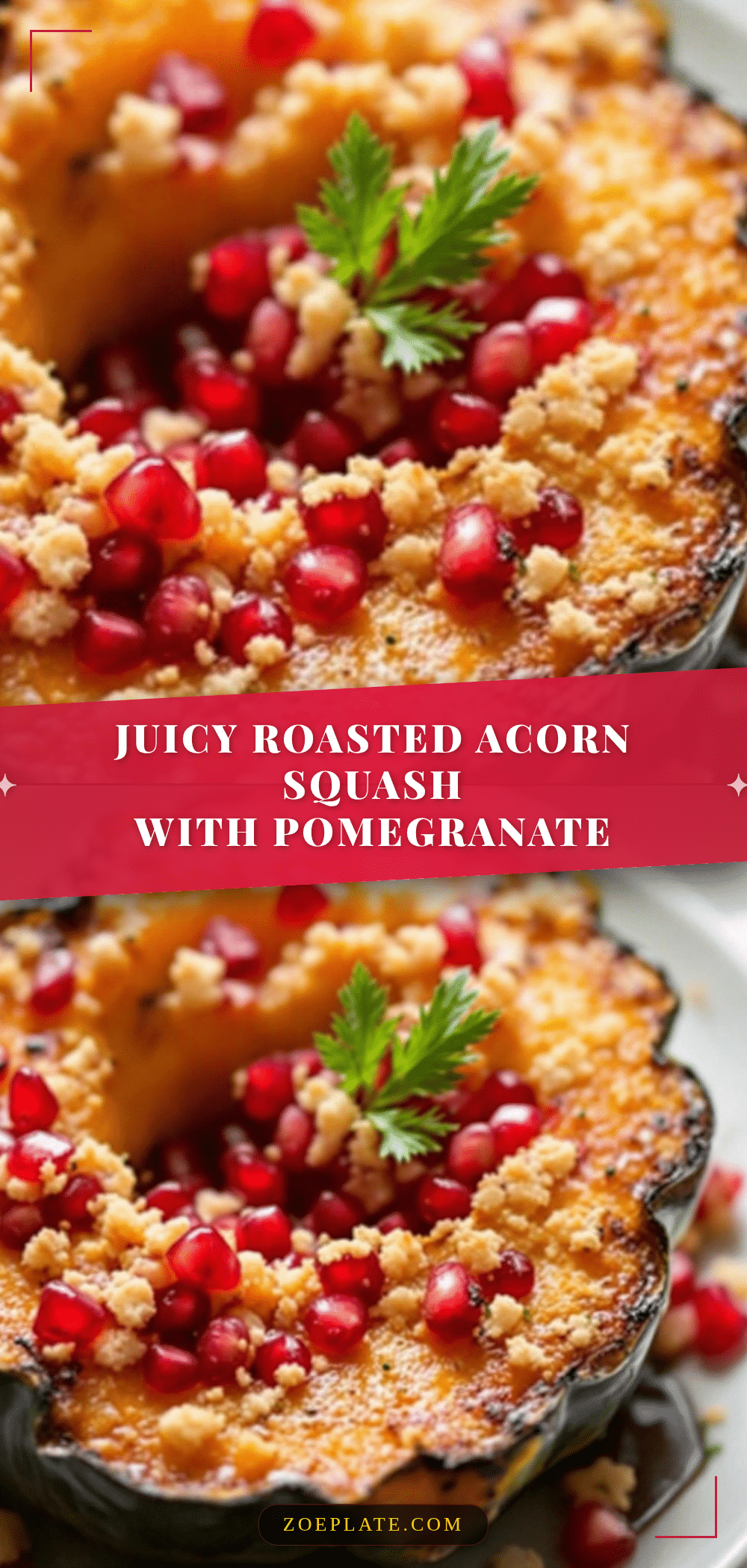
Perfect Roasted Acorn Squash with Pomegranate
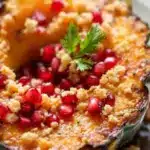
A simple, grounding side dish featuring caramelized acorn squash halves topped with tart pomegranate arils and fresh herbs. Perfect for busy weeknights and meal prep.
- Prep Time: 15 minutes
- Cook Time: 45 minutes
- Total Time: 60 minutes
- Yield: 2 servings 1x
- Category: Side Dish
- Cuisine: American
Ingredients
- 2 medium acorn squash
- 2 tablespoons extra virgin olive oil
- 1/2 cup pomegranate arils
- 1 tablespoon unsalted butter (optional)
- 1/2 teaspoon sea salt
- 1/4 teaspoon black pepper
- 1 teaspoon fresh thyme or sage
Instructions
- Preheat oven to 400°F (200°C) and place a rack in the center position.
- Wash and dry the acorn squash. Carefully slice in half from stem to base and scoop out seeds and pulp.
- Drizzle cut sides with olive oil, ensuring coverage in nooks and crannies. Sprinkle with sea salt, black pepper, and chopped herbs.
- Place squash halves cut-side up on a parchment-lined baking sheet, ensuring they are not touching.
- Roast for 35-45 minutes until flesh is tender and edges are golden brown and caramelized.
- Check for doneness with a fork; if needed, broil for 1-2 minutes for extra color.
- Remove from oven and immediately sprinkle with pomegranate arils. Add butter if using, allowing it to melt.
- Serve immediately while hot.
Notes
Ensure the oven is fully preheated to prevent watery squash. If edges burn too quickly, cover loosely with foil. For meal prep, store squash in an airtight container for up to 3 days and add fresh pomegranate seeds after reheating.
Nutrition
- Serving Size: 1 half squash
- Calories: 165
- Sugar: 8
- Sodium: 280
- Fat: 10
- Saturated Fat: 2
- Carbohydrates: 22
- Fiber: 6
- Protein: 2
Keywords: acorn squash, roasted squash, pomegranate, side dish, healthy recipes, vegan, gluten-free, autumn recipes, meal prep