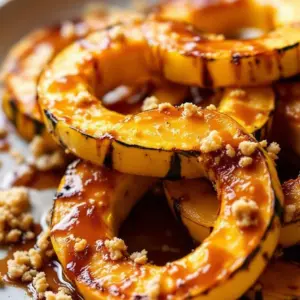
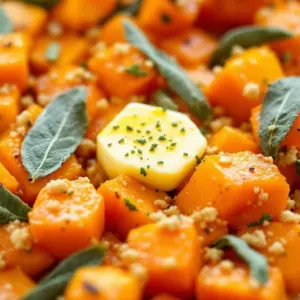
I burned the butter three times before I finally understood what was happening. It wasn’t a dramatic kitchen fire, just a quiet, frustrating moment where I stared at a pot of brown sludge and realized I had ruined dinner. I was trying to make that creamy roasted butternut squash with sage butter dish that everyone seemed to be posting on social media. I thought I knew how to make brown butter. I really did.
I had watched a dozen videos. I knew the smell. I knew the color. But my hands were shaking, and I kept looking away to check on the squash in the oven. That split second of distraction was all it took. The milk solids separated, the nutty aroma turned to acrid smoke, and my sauce was gone. Honestly, I almost just ordered pizza.
But I didn’t. I scraped the pot, cleaned it, and tried again. This time, I turned off the oven. I stood right in front of the stove. I watched the bubbles like a hawk. When the foam settled and the scent hit me—warm, nutty, and deeply savory—I knew I had it. That failure taught me more about this recipe than any perfect tutorial ever could.
Now, this creamy roasted butternut squash with sage butter is my go-to for any time I need to feel cozy. It’s not just a side dish; it’s a hug on a plate. The squash gets sweet and tender, while the sauce adds a sharp, herbal kick that cuts through the richness. I make it every November, usually while wearing my oldest, comfiest sweatpants.
There is something grounding about peeling a butternut squash. It’s hard work, but it slows you down. And when you finally taste that first spoonful of creamy, herb-infused goodness, all that effort feels worth it. It’s simple, but it’s not basic. It’s the kind of food that makes you forget about your phone and just eat.
Why You’ll Love This Recipe
Quick & Easy
This dish comes together in under 45 minutes, which is perfect for those busy weeknights when you want something that feels fancy but doesn’t require hours of prep. You can roast the squash and make the sauce almost at the same time, so you’re not stuck in the kitchen all evening.
Simple Ingredients
You likely already have everything in your kitchen pantry. No need for a fancy grocery trip or exotic spices. We’re talking basic staples like butter, olive oil, salt, pepper, and fresh sage. It’s comforting in its simplicity, relying on the natural sweetness of the squash rather than heavy creams or complicated reductions.
Perfect for Potlucks
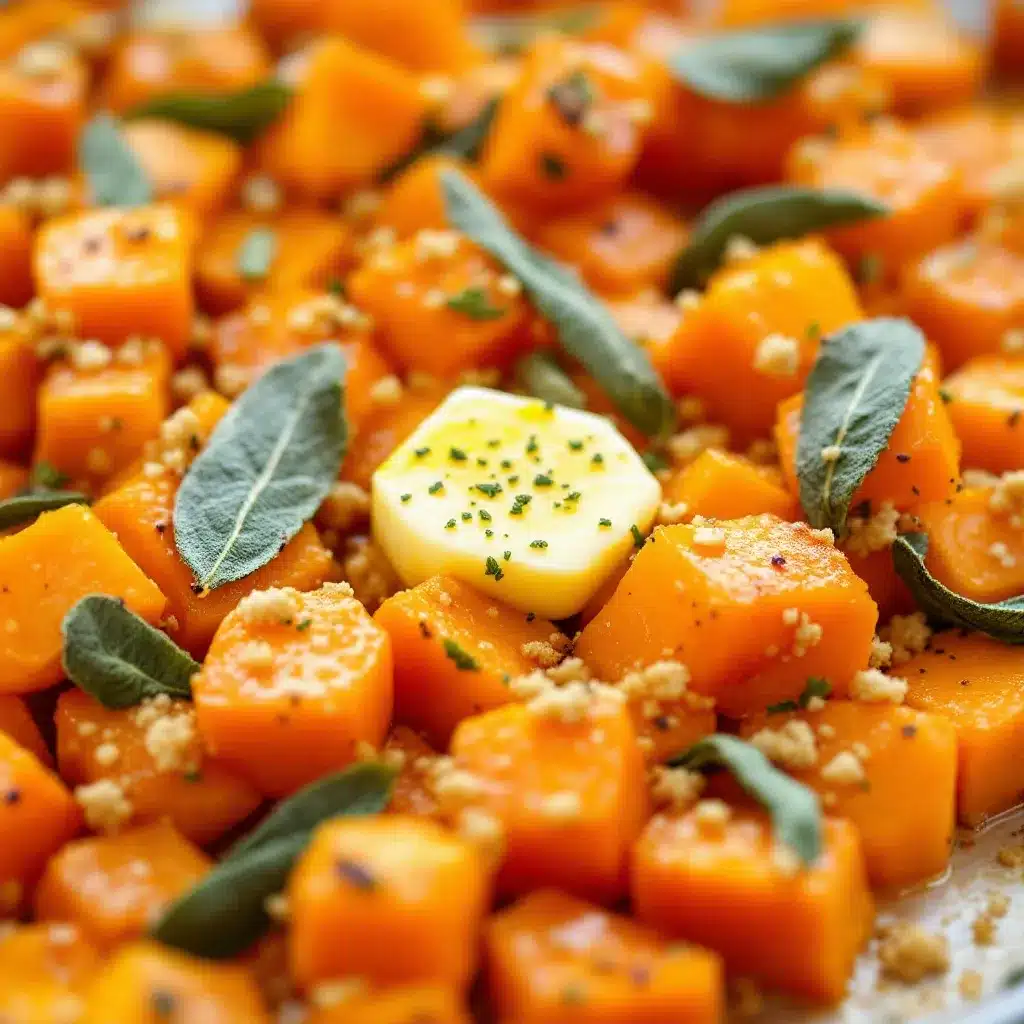
This is the ultimate crowd-pleaser for holiday gatherings or autumn potlucks. It travels well and stays warm in a slow cooker if you bring it to a party. Everyone loves roasted vegetables, and the sage butter adds a layer of flavor that makes people ask for the recipe immediately.
Unbelievably Delicious
The texture and flavor combo is next-level comfort food. The squash becomes almost custard-like when roasted, and the brown butter sage sauce ties it all together with a nutty, aromatic punch. It’s not just good—it’s the kind of dish that makes you close your eyes after the first bite.
What Makes It Different
Many recipes just toss squash in oil and roast it. This one takes the extra step of browning the butter. That small technique change adds a depth of flavor that you can’t get from plain melted butter. It transforms a simple vegetable side into something sophisticated without adding any real difficulty.
What Ingredients You Will Need
This recipe uses simple, wholesome ingredients to deliver bold flavor and satisfying texture without the fuss. The magic really comes from the quality of the butter and the freshness of the sage. If you can, grab a bunch of fresh sage from the produce section rather than using dried leaves. The difference in aroma is night and day.
For the Roasted Squash
- Butternut Squash: One medium-sized squash, peeled and cubed. Look for one that feels heavy for its size, as that indicates more flesh and less hollow space.
- Olive Oil: Extra virgin olive oil works best here to add a fruity undertone to the natural sweetness of the squash.
- Salt and Pepper: Kosher salt and freshly cracked black pepper are essential. Don’t skimp on the seasoning; the squash needs it to bring out its flavor.
- Garlic Cloves: Two or three cloves, smashed but left whole. They roast up soft and sweet, adding a subtle savory note without overpowering the dish.
For the Sage Butter Sauce
- Unsalted Butter: I recommend using high-quality European-style butter if you can find it, like Plugra or Kerrygold. The higher fat content makes for a richer, smoother brown butter. You’ll need about half a cup.
- Fresh Sage Leaves: A generous handful, about 10-12 large leaves. The leaves need to be dry before they hit the hot butter to prevent splattering.
- Red Pepper Flakes: A pinch, optional but recommended. It adds a tiny bit of heat that balances the richness of the butter.
- Lemon Juice: A teaspoon of fresh lemon juice. This is the secret weapon. It brightens the heavy flavors and cuts through the fat, keeping the dish from feeling too heavy.
Equipment Needed
You don’t need anything fancy to pull this off. A large sheet pan is your best friend here. I use a heavy-gauge rimmed baking sheet because it distributes heat evenly. If you use a thin, flimsy pan, the edges of your squash might burn before the centers are tender.
A medium saucepan is needed for the brown butter. Make sure it’s wide enough to allow the butter to spread out slightly. If the butter is in a deep, narrow pot, it will brown unevenly. A wooden spoon is perfect for stirring, and a slotted spoon helps you fish out the crispy sage leaves later.
If you don’t have a vegetable peeler that’s strong enough, a sharp chef’s knife will work for peeling the squash, though it takes a bit more effort. Just be careful with your fingers! I also recommend using a kitchen timer. I know you have one on your phone, but having a dedicated timer helps you stay focused on the butter so it doesn’t burn.
Preparation Method
Step 1: Prep the Squash
Start by preheating your oven to 400°F (200°C). Line a large baking sheet with parchment paper. This makes cleanup a breeze, and it prevents the squash from sticking. Peel the butternut squash. Use a sturdy vegetable peeler to remove the tough outer skin. Cut the squash in half lengthwise, scoop out the seeds, and then dice the flesh into 1-inch cubes. You want them roughly the same size so they cook evenly. Toss the cubes with olive oil, salt, and pepper on the baking sheet. Spread them out in a single layer. Don’t crowd the pan, or they’ll steam instead of roast. Roast for 25-30 minutes until tender and slightly caramelized.
Step 2: Make the Brown Butter
While the squash is roasting, melt the butter in your saucepan over medium heat. Stir it constantly. The butter will foam up and then settle down. This is when you need to pay attention. The foam will crackle, and you’ll start to see little brown bits forming at the bottom. The smell will change from milky to nutty. This usually takes about 3-5 minutes. As soon as you smell those nuts, take it off the heat immediately. The residual heat will keep cooking it.
Step 3: Add the Sage
Carefully toss the fresh sage leaves into the hot brown butter. It will sizzle vigorously. Let the leaves fry in the butter for about 30 seconds until they are crisp and dark green. If you’re using red pepper flakes, add them now. Stir in the teaspoon of lemon juice to stop the cooking process and brighten the flavor.
Step 4: Combine and Serve
Once the squash is done, remove it from the oven. Pour the hot sage butter sauce over the hot squash. Toss everything gently to coat the cubes evenly. Taste and add more salt or pepper if needed. Serve immediately while the butter is still warm and fragrant.
Cooking Tips & Techniques
Brown butter is tricky because it goes from perfect to burnt in seconds. The key is to keep the heat at medium, not medium-high. High heat makes the milk solids burn too fast. If you see the butter turning dark brown too quickly, move the pan to a cooler burner.
Another tip is to dry your sage leaves thoroughly. Wet leaves in hot oil can cause dangerous splattering. Pat them dry with a paper towel before adding them to the pot. Also, don’t skip the lemon juice. It might seem odd in a savory dish, but the acidity balances the fat beautifully. It wakes up the palate.
When roasting the squash, make sure your cubes are uniform. If you have some big chunks and some small ones, the small ones will turn to mush before the big ones are cooked. Use a knife to check for doneness; a fork should slide through easily. If you like a bit more crunch, you can broil the squash for the last two minutes, but watch it closely.
Variations & Adaptations
You can easily adapt this recipe to fit your dietary needs or taste preferences. For a gluten-free option, this recipe is naturally gluten-free, so you don’t need to change anything. If you want to make it vegan, swap the butter for a high-quality vegan butter stick. Margarine doesn’t brown the same way, so look for a brand made for baking or sautéing.
You can also swap the sage for other herbs. Thyme or rosemary would work well with the butternut squash. Just add them at the same time you would add the sage. If you want more heat, increase the red pepper flakes or add a dash of cayenne pepper.
For a protein boost, toss in some chickpeas or toasted pecans with the squash before serving. The nuts add a nice crunch that contrasts with the soft squash. You could also stir in some feta cheese or goat cheese after tossing it with the butter for a tangy twist.
Serving & Storage Suggestions
This dish is best served immediately while the butter is still warm. It pairs wonderfully with roasted chicken or pork chops. You can also serve it alongside the cozy roasted butternut squash soup for a full squash-themed meal.
If you have leftovers, store them in an airtight container in the refrigerator for up to three days. The squash will hold up well, though the butter will solidify when cold. To reheat, gently warm the squash in a skillet over low heat, adding a splash of water or broth if it looks dry. You can also microwave it in short bursts, stirring in between.
The flavors actually meld nicely the next day, making it a great option for meal prep. Just be aware that the sage leaves will lose their crispness if stored in the sauce. For the best texture, store the sauce separately and drizzle it over the squash when you’re ready to eat.
Nutritional Information & Benefits
Butternut squash is packed with vitamins, particularly vitamin A and vitamin C. It’s also a good source of fiber, which helps with digestion and keeps you feeling full. The healthy fats from the olive oil and butter help your body absorb these fat-soluble vitamins more effectively.
While the butter adds calories, it also adds flavor, so you use less of it than you might think. The sage has antioxidant properties and adds a unique flavor without extra sodium. This dish is naturally gluten-free and dairy-free if you swap the butter, making it accessible for many dietary restrictions.
Conclusion
This creamy roasted butternut squash with sage butter is a simple dish with big flavor. It’s perfect for any time of year, but it really shines in the fall. I hope you try this recipe and find your own moments of kitchen peace while making it. Don’t be afraid to experiment with the herbs or add a little extra spice.
If you make this, I’d love to hear how it turns out. Leave a comment below with your thoughts or share your variations. You can also pin this recipe to your Pinterest boards for later. Happy cooking!
FAQs
Can I use frozen butternut squash?
Yes, but fresh is better for this recipe. Frozen squash releases more water and can become mushy when roasted. If you must use frozen, thaw it completely and pat it very dry before roasting.
What kind of sage should I use?
Fresh sage is highly recommended. The essential oils in fresh leaves provide the best flavor. Dried sage can be used in a pinch, but use half the amount and add it to the butter before it browns to prevent burning.
How do I know when the butter is browned?
Look for a light golden-brown color at the bottom of the pan and smell a nutty, toasty aroma. It should look like melted caramel. If it smells like burnt popcorn, it’s too late.
Can I make this ahead of time?
You can roast the squash ahead of time and reheat it. However, it’s best to make the sage butter sauce fresh. You can warm the sauce gently and pour it over the squash just before serving.
Is this recipe spicy?
Not at all. The red pepper flakes are optional and add only a tiny hint of warmth. The main flavors are sweet, nutty, and herbal.
Pin This Recipe!
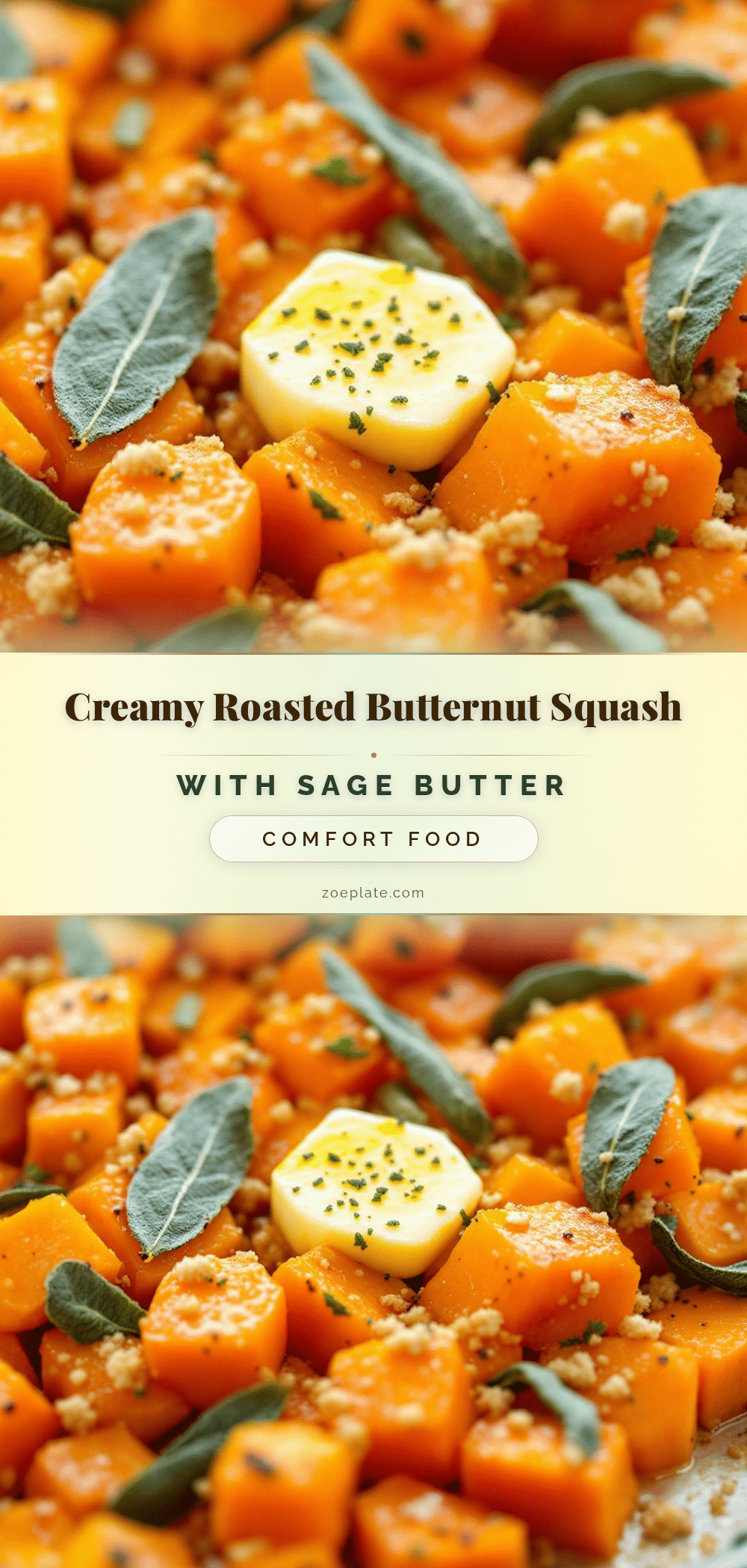
Creamy Roasted Butternut Squash with Sage Butter

A cozy, easy side dish featuring sweet roasted butternut squash tossed in a rich, nutty brown butter sauce infused with crispy fresh sage and a hint of lemon.
- Prep Time: 15 minutes
- Cook Time: 30 minutes
- Total Time: 45 minutes
- Yield: 4 servings 1x
- Category: Side Dish
- Cuisine: American
Ingredients
- 1 medium butternut squash, peeled and cut into 1-inch cubes
- Extra virgin olive oil, for tossing
- Kosher salt and freshly cracked black pepper
- 2–3 garlic cloves, smashed
- 1/2 cup unsalted butter
- 10–12 large fresh sage leaves, dried thoroughly
- Pinch of red pepper flakes (optional)
- 1 teaspoon fresh lemon juice
Instructions
- Preheat oven to 400°F (200°C). Line a large baking sheet with parchment paper.
- Peel the butternut squash, remove seeds, and dice into 1-inch cubes.
- Toss squash cubes with olive oil, salt, and pepper. Spread in a single layer on the baking sheet.
- Roast for 25-30 minutes until tender and caramelized.
- While squash roasts, melt butter in a medium saucepan over medium heat.
- Stir constantly until butter foams, settles, and turns golden brown with a nutty aroma (3-5 minutes). Remove from heat immediately.
- Carefully add sage leaves to the hot butter; fry for 30 seconds until crisp.
- Add red pepper flakes (if using) and lemon juice to the butter sauce.
- Pour the sage butter sauce over the hot roasted squash.
- Toss gently to coat and serve immediately.
Notes
Ensure sage leaves are completely dry before adding to hot butter to prevent splattering. Brown butter goes from perfect to burnt quickly, so stay attentive. For a vegan version, substitute with high-quality vegan butter. Store leftovers in an airtight container for up to 3 days; reheat gently in a skillet.
Nutrition
- Serving Size: 1 cup
- Calories: 280
- Sugar: 6
- Sodium: 350
- Fat: 22
- Saturated Fat: 12
- Carbohydrates: 20
- Fiber: 4
- Protein: 3
Keywords: butternut squash, sage butter, roasted vegetables, fall recipes, side dish, gluten-free, easy dinner