My husband stared into the pot, spoon hovering, and asked if I had accidentally made dessert for dinner again. He wasn’t being sarcastic. He was genuinely confused by how sweet the savory cheese sauce tasted, but in the best possible way. It was Tuesday night, raining hard outside, and the house smelled like toasted pumpkin and sharp cheddar. Usually, he is the first to complain if his mac and cheese isn’t strictly salty and eggy. But that night, he scraped the bottom of his bowl clean. Then he asked for seconds.
I have made hundreds of mac and cheese recipes over the years. Some are stovetop, some are baked with breadcrumbs, and some are so complicated they require a thermometer. This version is different because it uses butternut squash to create that creamy texture without the heavy cream or roux. It is lighter, yet somehow still feels like a hug on a plate. The squash blends into the milk and cheese to create a sauce that is impossibly smooth. You know how sometimes you make a dish and it just tastes like “food,” but then one night it tastes like *comfort*? That was this pot.
He went to bed satisfied, and I went to sleep wondering why I hadn’t made this sooner. The next morning, I found him lingering in the kitchen, reheating his leftovers. He didn’t even mention the squash until he took a bite. “It’s weirdly good,” he said, shrugging like it was no big deal. That was my signal. This recipe works. It isn’t just a vegetable side dish hiding in pasta; it is a main event. If you are looking for a way to use up that winter squash sitting on your counter, this is the answer. It comes together in one pot, which means less dishwashing later. Honestly, less dishes is half the battle when you are trying to eat healthy.
The texture is the real winner here. Because the squash cooks right in the starchy pasta water, it breaks down into the liquid. You don’t need to worry about lumpy purees or separate steps. It all merges into one creamy, orange-hued masterpiece. My husband’s reaction told me everything I needed to know. He didn’t ask for the recipe because he knew it was easy, but because he knew it was delicious. And that is all I care about.
Why You’ll Love This Creamy One-Pot Butternut Squash Mac and Cheese
This isn’t just another pasta recipe. It is the result of trying to make mac and cheese feel like a wholesome, seasonal meal without sacrificing the gooey, cheesy goodness we all crave. I spent weeks testing different squash varieties and cheese blends to get this balance right. The result is a dish that feels indulgent but actually packs in some serious nutrients. Here is why this recipe has earned a permanent spot in my weekly rotation:
- Quick & Easy: You can have this on the table in under 30 minutes. There is no boiling water for pasta, draining, making a separate sauce, and then combining. It all happens in one pot. This is perfect for busy weeknights when you are tired and just want to eat.
- Simple Ingredients: You likely already have most of these items in your kitchen. Butternut squash, pasta, milk, and cheese. No fancy grocery trips needed. If you have a head of garlic and some spices, you are good to go. It relies on pantry staples that are easy to substitute if you are missing something.
- Perfect for Fall Dinners: As the weather turns cooler, we all crave warm, hearty meals. This fits perfectly into that cozy fall vibe. It pairs beautifully with a simple green salad or some roasted Brussels sprouts. It feels like a hug in a bowl.
- Crowd-Pleaser: Even the pickiest eaters usually love this. The natural sweetness of the squash masks the veggie aspect for children, while the sharp cheese satisfies the adults. It is a win-win for family dinners where everyone wants something different.
- Unbelievably Delicious: The texture is next-level. Because the squash purees into the sauce, it creates a velvet-like consistency that standard mac and cheese often lacks. It is rich and creamy without feeling heavy or greasy on your stomach.
What makes this recipe different from the rest is the technique. Most people think making squash sauce is hard because you have to roast, peel, and blend separately. Not here. You cook the squash cubes right in the pot with the pasta. They soften and break down naturally. It is a clever hack that saves time and dishes. I also use a mix of sharp cheddar and a little parmesan for depth. The sharpness cuts through the sweetness of the squash perfectly. It isn’t just another version; it is the best version of squash mac. It’s the kind of recipe that makes you close your eyes after the first bite. It’s comfort food reimagined—healthier, faster, but with the same soul-soothing satisfaction. Perfect for impressing guests without stress, or turning a simple meal into something memorable.
What Ingredients You Will Need
This recipe uses simple, wholesome ingredients to deliver bold flavor and satisfying texture without the fuss. The magic happens because the butternut squash acts as both the vegetable and the thickening agent. You do not need cornstarch or heavy cream. The starch from the pasta and the natural pectin in the squash create that thick, clingy sauce. Here is what you need to gather before you start cooking.
For the Base
- Butternut Squash: Peeled and diced into small ½-inch cubes. Small cubes cook faster and break down easier. I prefer buying pre-peeled squash from the store to save time, but fresh is great too. (adds natural sweetness)
- Pasta: Small shapes work best. Shell pasta, cavatappi, or elbow macaroni are all good choices. The small shapes hold the thick sauce better than long noodles. (about 8 oz or 225g)
- Milk: Whole milk is best for creaminess, but 2% works fine too. Avoid skim milk as it can make the sauce thin. (2 cups or 480ml)
- Garlic: Fresh minced garlic is essential. Do not use powder here; you want that aromatic punch. (3-4 cloves)
- Butter: Unsalted butter to sauté the garlic and start the flavor base. (2 tablespoons)
- Salt and Pepper: Kosher salt and freshly cracked black pepper. Season to taste, but remember the cheese will add salt later.
For the Cheese Sauce
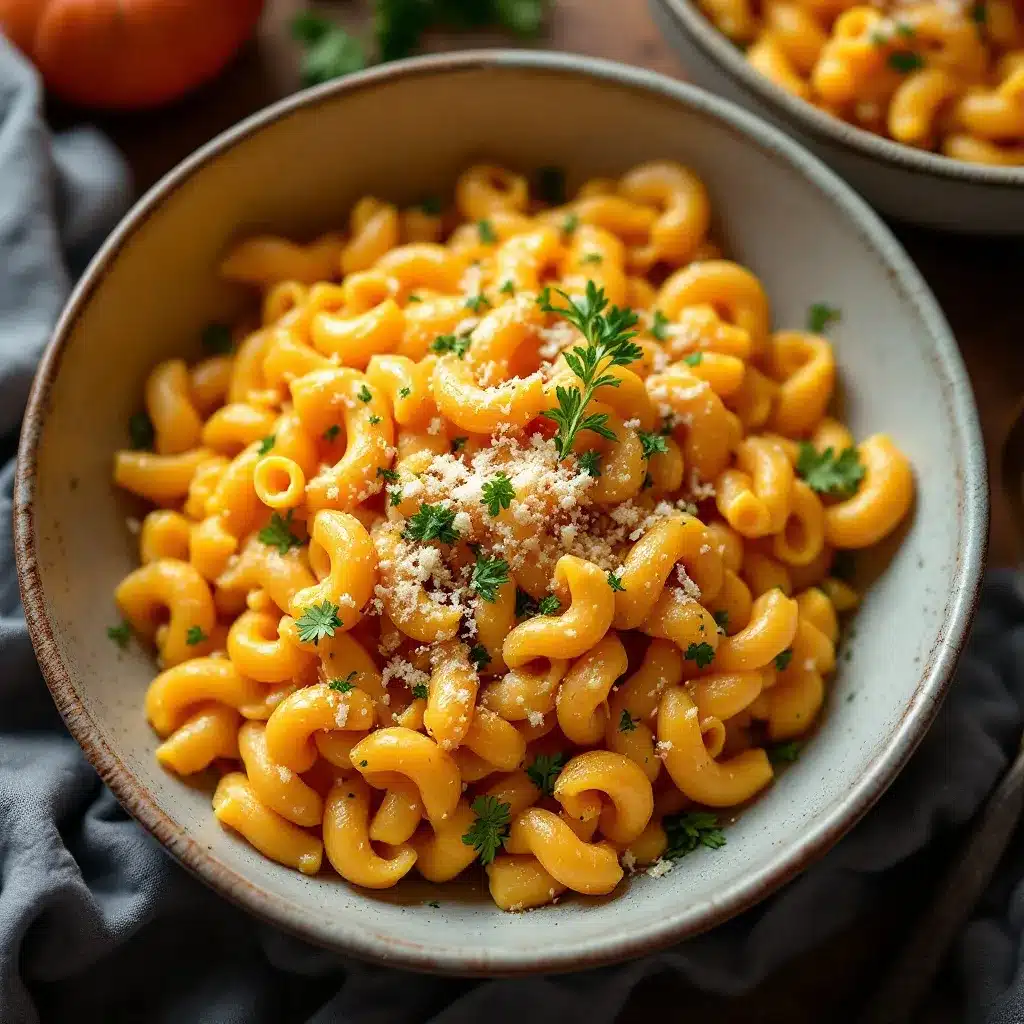
- Sharp Cheddar Cheese: Grate your own cheese from a block. Pre-shredded cheese contains anti-caking agents that prevent it from melting smoothly. (2 cups shredded, about 8 oz)
- Parmesan Cheese: Freshly grated parmesan adds a salty, nutty depth that balances the sweet squash. (½ cup, about 50g)
- Nutmeg: A tiny pinch of ground nutmeg is the secret weapon. It enhances the flavor of both the squash and the cheese. (¼ teaspoon)
- Salt: A pinch of salt to bring out the cheese flavors. (½ teaspoon, or to taste)
Substitutions and Tips
If you are dairy-free, you can use a high-quality plant-based cheddar shreds, though the melt might be slightly different. For a gluten-free option, use your favorite gluten-free pasta shape, but keep an eye on the cooking time as GF pasta can break down faster. I recommend Barilla pasta for its durability in one-pot recipes. For the squash, you can substitute with sweet potato, but the texture will be slightly denser. Look for firm, smooth squash with no soft spots for the best flavor.
Equipment Needed
You do not need a fancy kitchen to make this. In fact, the beauty of this recipe is that it requires very few tools. Here is what you will need to get the job done efficiently.
- Large Dutch Oven or Heavy-Bottomed Pot: This is the most important tool. You need a pot that is wide enough to spread the pasta in a single layer as much as possible. A 5-6 quart pot is ideal. If you use a pot that is too small, the pasta will steam instead of cook evenly. I use my Le Creuset Dutch oven because the heavy bottom prevents scorching.
- Wooden Spoon: For stirring. You will need to stir frequently to prevent sticking. A silicone spatula works too, but a wooden spoon feels more natural for scraping the bottom of the pot.
- Measuring Cups and Spoons: For accurate measurements of milk and spices. Precision helps with the liquid-to-pasta ratio.
- Microplane or Grater: For grating the cheese and the nutmeg. Freshly grated nutmeg makes a huge difference in aroma. If you don’t have a grater, pre-ground nutmeg is acceptable, but the flavor will be milder.
- Knife and Cutting Board: For dicing the squash. A sharp chef’s knife makes peeling and cutting the squash much safer and easier. If the squash is very hard, microwave it for 2 minutes first to soften the skin.
Budget-Friendly Alternative: If you do not have a Dutch oven, a large stockpot or a deep skillet with a lid works. Just make sure it has a tight-fitting lid to trap the steam for cooking the pasta. Avoid thin aluminum pans as they heat unevenly and can burn the cheese sauce.
Preparation Method
Follow these steps carefully to get that perfect creamy texture. Do not skip the stirring steps, as that is the key to success.
- Prep the Squash and Pasta: Peel the butternut squash and remove the seeds. Dice the flesh into small ½-inch cubes. Measure out your pasta. If using large shells, you might want to break them in half. Have your cheese grated and ready to go. (5 minutes)
- Sauté the Aromatics: Place your large pot over medium heat. Add the butter and let it melt. Once foaming, add the minced garlic. Stir constantly for about 30 seconds until fragrant. Do not let the garlic brown, or it will taste bitter. (1 minute)
- Add Liquid and Squash: Pour in the milk and add the diced butternut squash. Stir to combine. Add a pinch of salt and the pinch of nutmeg. Bring the mixture to a gentle simmer. You do not want a rolling boil yet. (3 minutes)
- Add the Pasta: Once the milk is simmering, add the pasta. Stir well to ensure the pasta is submerged in the liquid. If it is not fully covered, add a splash more milk or water. Reduce the heat to medium-low. Cover the pot with a lid. (10-12 minutes)
- Stir Frequently: This is the critical step. Every 2-3 minutes, remove the lid and stir the pasta and squash. This prevents the starch from settling and burning at the bottom. It also helps the squash break down into the liquid. Check the pasta for doneness by tasting a piece. It should be tender but still have a slight bite (al dente). (10 minutes total cooking time)
- Mash the Squash: Once the pasta is cooked and most of the liquid has been absorbed, use your wooden spoon or a potato masher to mash some of the squash cubes against the side of the pot. You do not need to mash everything, just enough to thicken the sauce. The sauce should be creamy and coat the back of a spoon. (2 minutes)
- Remove from Heat: Turn off the burner. This is important. You do not want to boil the cheese, or it will separate and become grainy. Let the pot sit for 1 minute to cool slightly. (1 minute)
- Stir in the Cheese: Add the shredded cheddar and parmesan cheese. Stir gently but thoroughly until the cheese is completely melted and the sauce is smooth. Taste and add more salt and pepper if needed. The residual heat will finish melting the cheese. (2 minutes)
- Serve Immediately: Ladle into bowls. Top with extra parmesan or cracked pepper if desired. Eat while hot. (1 minute)
Troubleshooting Note: If the sauce looks too thick, add a splash of warm milk. If it looks too thin, let it sit uncovered for a minute to reduce, or add a bit more cheese. The consistency should be like heavy cream.
Cooking Tips & Techniques
Getting the texture right is the hardest part of one-pot pasta. Here are some professional tips to help you avoid common mistakes.
- Stir, Stir, Stir: I cannot stress this enough. Starch settles quickly. If you walk away and forget to stir, you will have a burnt bottom. Set a timer for every 3 minutes. It is worth the effort.
- Grate Your Own Cheese: This is non-negotiable for good texture. Pre-shredded cheese is coated in cellulose to prevent clumping. This cellulose stops the cheese from melting smoothly, resulting in a gritty sauce. Buy a block of cheddar and grate it yourself. It takes 2 minutes and makes a huge difference.
- Control the Heat: Keep the heat at medium-low. High heat will evaporate the milk too fast before the pasta cooks, leading to a mushy, dry result. Low and slow is the way to go.
- Don’t Overcook the Pasta: Pasta continues to cook in the hot liquid even after you turn off the heat. Take it off the heat when it is still slightly firm. It will soften as you stir in the cheese.
- Use Fresh Nutmeg: Ground nutmeg loses its flavor quickly. If you have a whole nutmeg, grate a tiny bit into the sauce. It adds a warm, spicy note that pairs perfectly with squash. If you only have pre-ground, use it sparingly as it can be overpowering.
Personal Lesson: I once tried to make this with a high flame to save time. The milk boiled over, and the bottom scorched. The sauce tasted bitter. Now I always set a timer and watch the pot like a hawk. It teaches you patience, but the result is worth it.
Variations & Adaptations
This recipe is very flexible. Here are some ways to change it up based on your preferences or dietary needs.
- Gluten-Free Option: Use gluten-free elbow macaroni or shells. Note that GF pasta often releases more starch, so you may need slightly less milk. Watch the pot closely to prevent burning.
- Dairy-Free Version: Swap the butter for olive oil or vegan butter. Use plant-based milk (oat milk works best for creaminess). Use vegan cheddar shreds, though the melt may not be as smooth. Add a tablespoon of nutritional yeast for a cheesy flavor.
- Protein Boost: Add cooked diced chicken, turkey, or crispy bacon bits. Stir them in at the end with the cheese. This turns the dish into a complete meal with more protein.
- Spicy Kick: Add a pinch of cayenne pepper or red pepper flakes when sautéing the garlic. This cuts through the sweetness of the squash and adds a nice warmth.
- Herb Twist: Stir in fresh thyme or sage leaves when you add the milk. These herbs pair beautifully with butternut squash and add an earthy flavor.
My Favorite Variation: I love adding crispy fried onions on top for texture. It adds a crunch that contrasts with the creamy pasta. You can buy them pre-made or make your own by frying sliced onions in oil until golden.
Serving & Storage Suggestions
This dish is best served immediately while the cheese is still gooey and hot. It does not reheat as perfectly as it tastes fresh, but it is still good.
- Serving: Serve with a simple green salad dressed with vinaigrette to cut the richness. A side of roasted Brussels sprouts or green beans is also excellent. Pair with a crisp white wine or a light beer.
- Storage: Store leftovers in an airtight container in the refrigerator for up to 3 days. The sauce will thicken in the fridge as the starch sets.
- Reheating: Reheat in a pot over low heat with a splash of milk. Stir frequently to loosen the sauce. Do not microwave, as it can make the cheese grainy. If you must microwave, do it in short bursts and add milk between each burst.
- Freezing: This recipe does not freeze well. The cheese sauce tends to separate and become grainy upon thawing. It is best enjoyed fresh.
Flavor Development: The flavors actually meld together nicely after sitting for a day. The squash becomes sweeter and the cheese flavor deepens. Just be prepared for a thicker consistency when reheating.
Nutritional Information & Benefits
This recipe offers a healthier twist on traditional mac and cheese. Butternut squash is packed with vitamins A and C, which are great for immune health and skin. It also provides fiber, which aids digestion. By using less cheese and more vegetable, you reduce the saturated fat content compared to a classic recipe. The pasta provides carbohydrates for energy. Overall, it is a balanced meal that feels indulgent but supports your wellness goals. For those watching their sodium, you can reduce the salt and use low-sodium cheese. It is a great way to sneak more vegetables into your diet without anyone complaining.
Conclusion
This Creamy One-Pot Butternut Squash Mac and Cheese is a game-changer. It is easy, delicious, and perfect for fall. I hope you try it and enjoy it as much as my husband did. Feel free to customize it with your favorite herbs or proteins. Let me know in the comments how you like to make your mac and cheese! Share your variations and photos. Happy cooking!
Frequently Asked Questions
Can I use frozen butternut squash?
Yes, you can use frozen butternut squash cubes. However, they will release more water into the pot. You may need to reduce the milk slightly or cook the pasta a bit longer to evaporate the extra liquid. Fresh squash is preferred for better texture.
Why is my sauce grainy?
This usually happens if the cheese is added while the pot is still on high heat. Always remove the pot from the heat before stirring in the cheese. Also, ensure you are using freshly grated cheese, not pre-shredded, which contains anti-caking agents.
Can I make this ahead of time?
It is best made fresh. If you must prep ahead, cook the pasta and squash mixture up to step 6, let it cool, and store it. When ready to serve, reheat gently and add the cheese. The texture will be slightly different but still tasty.
What pasta shape is best?
Small shapes like elbows, shells, or cavatappi work best. They hold the thick sauce well and cook evenly in the limited liquid. Avoid long pasta like spaghetti, as it is difficult to manage in a one-pot method.
Is this recipe spicy?
No, it is not spicy by default. It is sweet and savory. If you like heat, you can add red pepper flakes or cayenne pepper during the sautéing step. Start with a pinch and adjust to your taste.
Pin This Recipe!

Creamy One-Pot Butternut Squash Mac and Cheese (Easy)

A comforting, one-pot mac and cheese that uses butternut squash to create a creamy, velvety sauce without heavy cream or roux. It combines sweet squash with sharp cheddar for a wholesome, seasonal meal ready in under 30 minutes.
- Prep Time: 5 minutes
- Cook Time: 20 minutes
- Total Time: 25 minutes
- Yield: 4 servings 1x
- Category: Main Course
- Cuisine: American
Ingredients
- 2 tablespoons unsalted butter
- 3–4 cloves garlic, minced
- 2 cups whole milk
- 1 small butternut squash, peeled and diced into ½-inch cubes
- 8 oz (225g) small pasta (elbows, shells, or cavatappi)
- 2 cups sharp cheddar cheese, freshly grated
- ½ cup parmesan cheese, freshly grated
- ¼ teaspoon ground nutmeg
- Kosher salt and freshly cracked black pepper to taste
Instructions
- Peel and dice the butternut squash into small ½-inch cubes. Grate the cheese and measure the pasta.
- Place a large Dutch oven or heavy-bottomed pot over medium heat. Add butter and melt until foaming.
- Add minced garlic and stir constantly for 30 seconds until fragrant, being careful not to brown it.
- Pour in the milk and add the diced squash. Stir to combine and add a pinch of salt and nutmeg. Bring to a gentle simmer.
- Add the pasta to the pot, ensuring it is submerged in the liquid. Add more milk or water if needed. Reduce heat to medium-low and cover with a lid.
- Cook for 10-12 minutes, stirring every 2-3 minutes to prevent sticking and help the squash break down. Check for al dente pasta.
- Once pasta is cooked and liquid is absorbed, mash some of the squash cubes against the side of the pot to thicken the sauce.
- Remove the pot from the heat and let it sit for 1 minute to cool slightly.
- Stir in the shredded cheddar and parmesan cheese until melted and smooth. Season with salt and pepper to taste.
- Serve immediately while hot.
Notes
Grate your own cheese to avoid anti-caking agents that prevent smooth melting. Stir frequently to prevent burning. If the sauce is too thick, add a splash of warm milk. If too thin, let it sit uncovered to reduce. This recipe does not freeze well as the cheese sauce may separate.
Nutrition
- Serving Size: 1 bowl
- Calories: 450
- Sugar: 8
- Sodium: 600
- Fat: 18
- Saturated Fat: 10
- Carbohydrates: 55
- Fiber: 5
- Protein: 18
Keywords: butternut squash mac and cheese, one pot pasta, healthy mac and cheese, fall recipes, vegetarian dinner, creamy pasta, easy weeknight meals