“You’re not seriously putting rhubarb in a dessert, are you?” my friend asked, peering skeptically over her coffee cup. I shrugged, half amused, half curious myself. Rhubarb had always been that tart, almost intimidating stalk lurking in the garden or at the farmer’s market. But one rainy afternoon, with a patch of rhubarb begging for attention and a pantry stocked with basics, I decided to throw caution to the wind and try making flavorful rhubarb custard bars with buttery shortbread crust. Honestly, that first batch was more of an experiment than a recipe, a bit of a hopeful guess. The smell of baking shortbread mingling with the tangy rhubarb custard slowly filled the kitchen and, well, it was nothing like I expected.
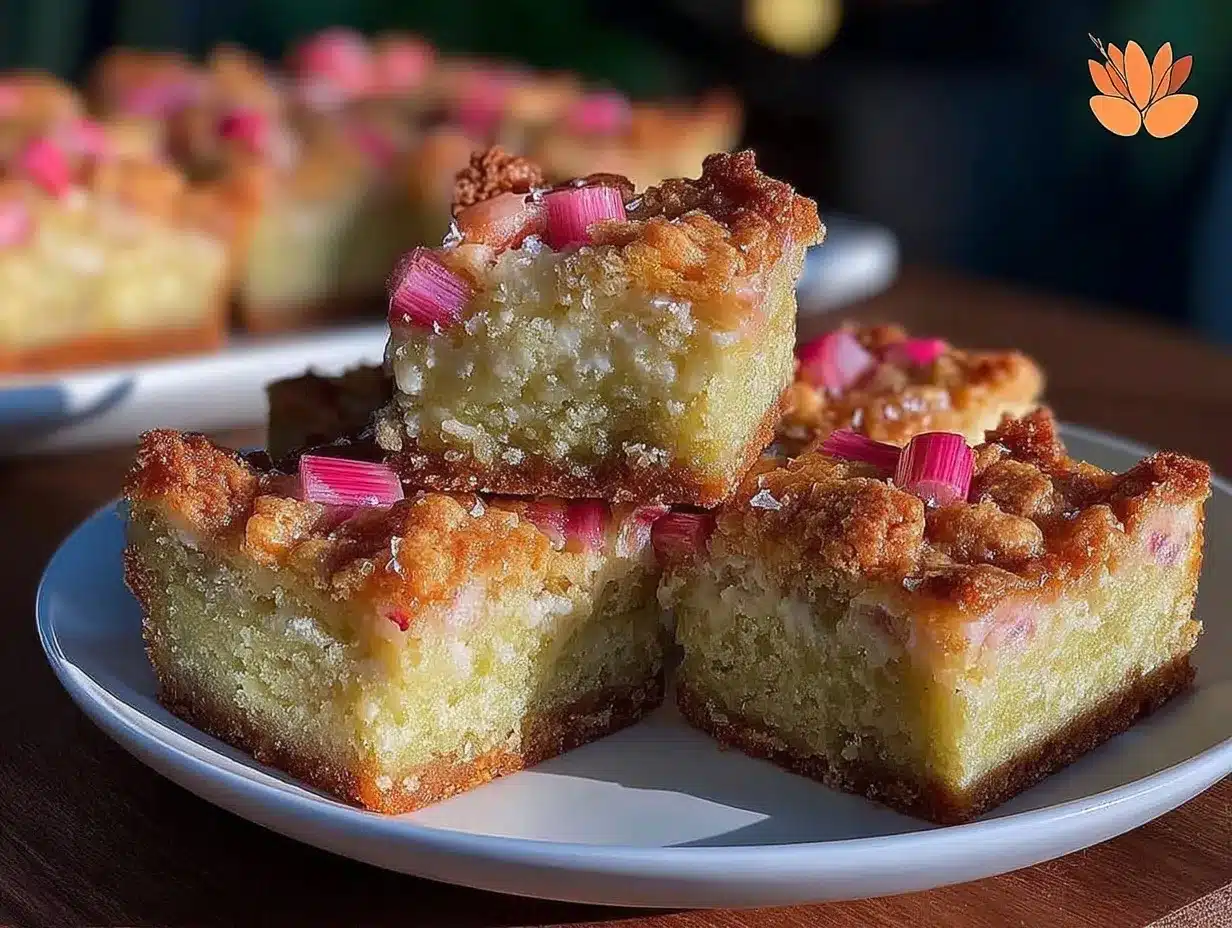
The crust had this tender, crumbly richness that cradled a custard filling—silky, slightly sweet, with that unmistakable rhubarb zing that made you want another bite (and then another). What started as a “let’s see if this works” moment quickly turned into a weekday obsession. I found myself making these bars multiple times in a week, each time tweaking the sugar just a bit, until I landed on the perfect balance.
There’s something quietly comforting about slicing into these bars—like a secret little reward tucked between buttery shortbread and bright rhubarb custard that feels both nostalgic and fresh. This recipe stuck around because it’s simple, honest, and just a little unexpected. If you’ve ever wondered whether rhubarb could be your dessert friend, these bars might just become your new favorite answer.
Why You’ll Love This Recipe
After countless trials and many happy tasters, I can say with a fair bit of confidence that these flavorful rhubarb custard bars with buttery shortbread crust are a keeper. Here’s why they’ve earned a permanent spot in my recipe rotation:
- Quick & Easy: You can have these bars ready in about an hour, which is fantastic for busy afternoons or spontaneous get-togethers.
- Simple Ingredients: No need to hunt down anything fancy—just pantry staples and fresh rhubarb, which is usually easy to find in spring and early summer.
- Perfect for Seasonal Gatherings: These bars shine at spring brunches, potlucks, or even as a sweet pick-me-up after a long day.
- Crowd-Pleaser: Kids, adults, skeptics, everyone tends to ask for seconds. The balance of tart and sweet hits just right.
- Unbelievably Delicious: The shortbread crust is buttery and flaky but sturdy enough to hold the custard without sogginess—a tricky balance that took some practice!
What sets this recipe apart is the custard itself. Instead of a heavy cream base, I use a combination of eggs and a touch of cream that’s gently baked until just set, coaxing out the rhubarb’s vibrant flavor without overpowering the custard’s silkiness. Plus, the shortbread crust is made with a hint of vanilla and a pinch of salt, which really lets the fruity custard shine. Honestly, this isn’t just another rhubarb dessert; it’s a personal favorite that brings a little spark to the table every time.
What Ingredients You Will Need
This recipe uses simple, wholesome ingredients to deliver bold flavor and a satisfying texture without fuss. Most of these are pantry staples, and the rhubarb is the seasonal star that brightens the whole bar.
- For the Shortbread Crust:
- All-purpose flour – 1 ¾ cups (220 g)
- Unsalted butter, softened – ¾ cup (170 g) (I prefer Plugrá for its rich flavor)
- Granulated sugar – ⅓ cup (65 g)
- Vanilla extract – 1 teaspoon
- Salt – ¼ teaspoon (balances the sweetness)
- For the Rhubarb Custard Filling:
- Fresh rhubarb stalks, chopped into ½-inch pieces – 3 cups (about 450 g)
- Large eggs – 3, room temperature
- Granulated sugar – ¾ cup (150 g)
- Heavy cream – ⅔ cup (160 ml) (can swap for full-fat coconut milk for dairy-free)
- All-purpose flour – 2 tablespoons (15 g) (helps thicken the custard)
- Vanilla extract – 1 teaspoon
- Pinch of salt
Ingredient tips: Look for firm, bright red rhubarb stalks with minimal green for the best tartness. If rhubarb is out of season, frozen rhubarb can work but remember to thaw and drain excess liquid to avoid a soggy custard. For a gluten-free crust, swapping the flour with almond flour works well, but the texture will be slightly different—more crumbly and nutty.
Equipment Needed
- 9×13-inch (23×33 cm) baking pan – ideal for even baking and easy slicing
- Mixing bowls – at least two, for crust and filling
- Electric mixer or sturdy wooden spoon – I usually just use a handheld mixer for the crust
- Measuring cups and spoons – for accuracy
- Rubber spatula – helpful for scraping batter and folding ingredients
- Whisk – for beating eggs and cream together smoothly
- Cooling rack – to let bars cool evenly
If you don’t have a 9×13 pan, an 8×8 inch (20×20 cm) square pan can work; just adjust baking time slightly. Also, a food processor can speed up the crust mixing, but it’s not necessary—I often prefer mixing by hand for better control over the texture. Keeping your butter chilled but pliable makes for the best crumbly shortbread texture.
Preparation Method
- Preheat your oven to 350°F (175°C) and grease your 9×13-inch pan with butter or line it with parchment paper, leaving an overhang for easy removal.
- Make the shortbread crust: In a bowl, cream together the softened unsalted butter and granulated sugar until light and fluffy, about 2-3 minutes. Add vanilla extract and salt, mixing to combine.
- Gradually add the flour, mixing just until the dough comes together. It will be crumbly but should hold when pressed.
- Press the dough evenly into the prepared pan, focusing on creating a uniform layer about ¼ inch (6 mm) thick. Use the back of a spoon or your fingers dipped in flour to smooth it out.
- Bake the crust for 15-18 minutes until it’s lightly golden around the edges but not fully browned. This partial bake prevents sogginess later. Remove from the oven and let cool slightly.
- Prepare the rhubarb filling: While the crust bakes, whisk together the eggs, granulated sugar, heavy cream, vanilla extract, flour, and a pinch of salt until fully combined and smooth.
- Fold in the chopped rhubarb gently, distributing it evenly throughout the custard.
- Pour the rhubarb custard mixture over the warm shortbread crust, spreading it out with a spatula to an even layer.
- Return the pan to the oven and bake for 35-40 minutes, or until the custard is set but still slightly wobbly in the center. It will firm up as it cools.
- Remove from the oven and allow the bars to cool completely on a wire rack. For best slicing, chill in the refrigerator for at least 2 hours or overnight.
- Use the parchment overhang to lift the bars out of the pan, then slice into squares or rectangles. Serve chilled or at room temperature.
Pro tip: If the crust edges brown too quickly, tent the pan with foil halfway through baking. The custard should never fully brown—think creamy, not firm like a pie. This method guarantees the perfect custard texture every time.
Cooking Tips & Techniques
Getting the balance right between a tender crust and a silky custard can be a bit of a dance, but here are some tips to keep your rhubarb custard bars flawless:
- Don’t overmix the crust dough. Overworking the flour develops gluten, leading to a tougher crust. Mix until just combined for that perfect shortbread crumb.
- Keep your butter cool but soft. If it’s too warm, the crust can become greasy and flat; too cold, and it won’t incorporate well.
- Partial baking the crust is key to avoiding a soggy bottom. I learned this the hard way after a few batches where the custard soaked in too much.
- Use fresh rhubarb whenever possible. The tartness cuts through the custard’s sweetness, but if your rhubarb is old or pale, the flavor won’t be as bright.
- Watch the custard closely in the oven. It should be just set with a slight jiggle in the center. Overbaking makes it rubbery, and underbaking leads to a runny mess.
- Chill before slicing. This step helps the custard firm up enough for clean cuts and prevents crumbling.
I once skipped chilling and ended up with a custard pool on my cutting board—not fun! Also, multitasking by prepping the filling while the crust bakes saves time and keeps the kitchen flow smooth.
Variations & Adaptations
This recipe is surprisingly flexible and can be tailored to suit your taste, dietary needs, or seasonal availability:
- Seasonal Swaps: In late summer or early fall, swap rhubarb for tart apples or fresh cranberries to keep that tangy custard vibe.
- Dairy-Free Version: Use coconut cream or almond milk in place of heavy cream and a dairy-free butter substitute in the crust.
- Gluten-Free Crust: Replace all-purpose flour with almond flour and add a tablespoon of tapioca starch for better texture.
- Flavor Boost: Add a teaspoon of ground cardamom or cinnamon to the crust for a warm spice note that pairs beautifully with rhubarb.
- Extra Crunch: Sprinkle chopped pistachios or sliced almonds on top before baking for a nutty contrast.
Personally, I tried a version with a sprinkle of lemon zest in the custard once, which gave it a bright, fresh twist—highly recommended if you love citrus. For a fun spin, you can even turn these bars into mini tarts using a muffin tin and baking them individually.
Serving & Storage Suggestions
These rhubarb custard bars are best served chilled or at room temperature, allowing the custard’s texture and flavors to fully develop. A light dusting of powdered sugar or a dollop of whipped cream complements them nicely without stealing the spotlight.
They pair beautifully with a cup of tea or a simple iced coffee, making them an ideal choice for afternoon snacks or casual brunches. For something heartier, these bars can balance a fresh green salad or a bowl of creamy soup.
Store any leftovers in an airtight container in the refrigerator for up to 4 days. They also freeze well—wrap individual bars in plastic wrap and place in a freezer-safe bag for up to 2 months. Thaw overnight in the refrigerator and enjoy cold or warmed slightly in a 300°F (150°C) oven for 10 minutes.
Flavors tend to deepen after a day or two, which is great if you’re prepping ahead for a gathering. Just be sure to keep them chilled for the best custard texture.
Nutritional Information & Benefits
Each serving of these rhubarb custard bars provides a modest amount of protein and calcium, thanks to the eggs and cream, along with dietary fiber from the rhubarb. They’re a lower-fat dessert option compared to heavy cream-based pies but still rich enough to satisfy a sweet tooth.
Rhubarb itself is a great source of vitamin K and antioxidants, offering a tangy punch with very few calories. If you opt for a gluten-free crust, these bars can fit nicely into gluten-sensitive diets. Just watch for nut allergies if you try the almond flour variation.
From a wellness perspective, I appreciate that these bars combine fresh fruit with a homemade crust, avoiding processed ingredients and refined additives found in store-bought sweets. They’re an honest treat that feels like a little moment of homemade comfort.
Conclusion
There’s a quiet magic in these flavorful rhubarb custard bars with buttery shortbread crust that keeps me coming back. They’re not complicated, but they carry a depth of flavor and texture that feels special—just like a good recipe should. Whether you’re craving something tangy and sweet or just want to try rhubarb in a new way, these bars offer a reliable, delicious answer.
Feel free to tweak the sugar or spice levels to make them your own—cooking is all about what tastes good to you. I hope these bars bring you the same little smile and quiet satisfaction they’ve brought me on countless afternoons.
And hey, if you ever find yourself wanting a savory break after these sweet moments, you might appreciate the creamy cacio e pepe pasta I shared recently, which is just as simple and comforting in its own way.
Frequently Asked Questions
Can I use frozen rhubarb for these bars?
Yes, but thaw and drain it well to remove excess moisture. Too much liquid can make the custard runny and the crust soggy.
How do I know when the custard is done baking?
The custard should be set but still have a slight wobble in the center when gently shaken. It will firm up as it cools.
Can I make these bars ahead of time?
Absolutely! They actually taste better after chilling for a few hours or overnight, making them great for prepping in advance.
Is there a vegan version of this recipe?
You can try substituting the eggs with a flax or chia egg alternative and use coconut cream for the custard, but the texture will differ somewhat from the original.
What’s the best way to store leftover bars?
Keep them in an airtight container in the fridge for up to 4 days or freeze individual bars wrapped well for up to 2 months.
Pin This Recipe!
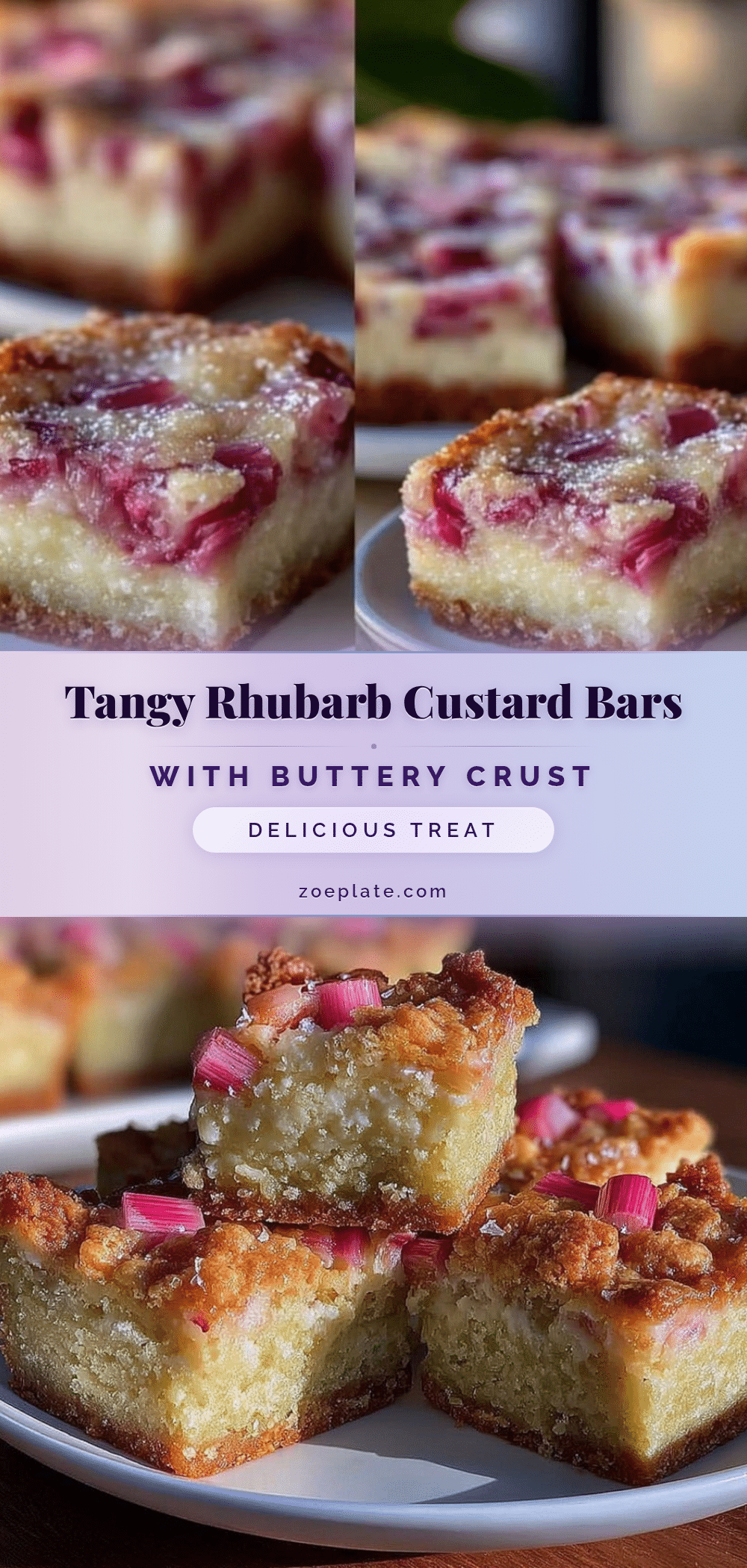
Flavorful Rhubarb Custard Bars Easy Homemade Recipe with Buttery Shortbread Crust
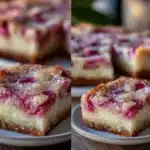
These rhubarb custard bars feature a tender, buttery shortbread crust and a silky, slightly sweet rhubarb custard filling with a perfect balance of tart and sweet flavors. They are quick, easy, and perfect for seasonal gatherings or a sweet pick-me-up.
- Prep Time: 15 minutes
- Cook Time: 50 minutes
- Total Time: 1 hour 5 minutes
- Yield: 12 servings 1x
- Category: Dessert
- Cuisine: American
Ingredients
- 1 ¾ cups all-purpose flour (220 g)
- ¾ cup unsalted butter, softened (170 g)
- ⅓ cup granulated sugar (65 g)
- 1 teaspoon vanilla extract
- ¼ teaspoon salt
- 3 cups fresh rhubarb stalks, chopped into ½-inch pieces (about 450 g)
- 3 large eggs, room temperature
- ¾ cup granulated sugar (150 g)
- ⅔ cup heavy cream (160 ml) (can substitute full-fat coconut milk for dairy-free)
- 2 tablespoons all-purpose flour (15 g)
- 1 teaspoon vanilla extract
- Pinch of salt
Instructions
- Preheat your oven to 350°F (175°C) and grease a 9×13-inch pan with butter or line it with parchment paper, leaving an overhang for easy removal.
- Make the shortbread crust: In a bowl, cream together the softened unsalted butter and granulated sugar until light and fluffy, about 2-3 minutes. Add vanilla extract and salt, mixing to combine.
- Gradually add the flour, mixing just until the dough comes together. It will be crumbly but should hold when pressed.
- Press the dough evenly into the prepared pan, creating a uniform layer about ¼ inch (6 mm) thick. Use the back of a spoon or your fingers dipped in flour to smooth it out.
- Bake the crust for 15-18 minutes until lightly golden around the edges but not fully browned. Remove from the oven and let cool slightly.
- Prepare the rhubarb filling: Whisk together the eggs, granulated sugar, heavy cream, vanilla extract, flour, and a pinch of salt until fully combined and smooth.
- Fold in the chopped rhubarb gently, distributing it evenly throughout the custard.
- Pour the rhubarb custard mixture over the warm shortbread crust, spreading it out evenly with a spatula.
- Return the pan to the oven and bake for 35-40 minutes, or until the custard is set but still slightly wobbly in the center. It will firm up as it cools.
- Remove from the oven and allow the bars to cool completely on a wire rack. Chill in the refrigerator for at least 2 hours or overnight for best slicing.
- Use the parchment overhang to lift the bars out of the pan, then slice into squares or rectangles. Serve chilled or at room temperature.
Notes
Partial baking the crust prevents sogginess. Keep butter cool but soft for best crust texture. The custard should be set but slightly wobbly in the center when done. Chill bars before slicing for clean cuts. Tent with foil if crust edges brown too quickly. Frozen rhubarb can be used if thawed and drained well. For gluten-free crust, substitute almond flour and add tapioca starch.
Nutrition
- Serving Size: 1 bar (1/12th of rec
- Calories: 230
- Sugar: 14
- Sodium: 110
- Fat: 14
- Saturated Fat: 8
- Carbohydrates: 23
- Fiber: 1
- Protein: 3
Keywords: rhubarb custard bars, shortbread crust, rhubarb dessert, easy rhubarb recipe, spring dessert, homemade bars, custard bars, buttery crust