Sunday night, 8:47 PM. The dining hall closed an hour ago, my meal swipes are gone for the week, and my bank account is sitting at a sad, round number—$4.27. The only thing I want is something warm, filling, and impossible to mess up. Something that doesn’t require a second pan, a trip to the store, or a degree in culinary arts. I open the cabinet and find a half-box of penne, a can of diced tomatoes I bought on a whim, and a garlic bulb that’s starting to sprout a tiny green shoot. And I think—this could actually work.
There’s a specific kind of peace that comes from making do. From looking at what you have and deciding it’s enough. This one-pot pasta became my Sunday night ritual that semester, not because it was fancy (it wasn’t), but because it asked for nothing I didn’t already have. No cream. No fresh herbs. No expensive cheese. Just pantry staples and a little patience. The first time I made it, I ate it straight out of the pot, sitting cross-legged on my dorm room floor, and I swear it tasted better than any restaurant pasta I’d ever had.
That’s the thing about cooking when you’re broke—you learn what actually matters. And what matters is this: a hot meal that costs less than a coffee shop latte, takes one pot, and makes you feel like you’ve got it together. Even when you absolutely don’t.
Why You’ll Love This Recipe
Let’s be honest—college life is chaos. Between classes, part-time jobs, and trying to maintain some kind of social life, cooking often falls to the bottom of the list. This easy one-pot pasta recipe is built for exactly that reality. It’s the kind of meal that saves you from another sad bowl of instant noodles without asking you to become a home chef overnight.
- One Pot, Zero Drama: You cook everything in a single pot—pasta, sauce, veggies, all of it. That means minimal dishes, which is basically a love language for broke students.
- Budget-Friendly: We’re talking under $5 for the whole batch. Most of these ingredients are pantry staples you probably already have.
- Ready in 20 Minutes: Faster than delivery, cheaper than a frozen meal, and way more satisfying than a granola bar dinner.
- Completely Customizable: Use whatever veggies are about to go bad, whatever protein you can afford, whatever cheese you have in the fridge door. This recipe adapts to you.
- Actually Filling: The pasta cooks in the sauce, soaking up all that flavor. Every bite tastes like you spent hours on it, even though you didn’t.
I’ve tested this recipe more times than I can count—through different dorm kitchens, different roommates, different levels of desperation. It’s never let me down. It’s the kind of meal you make when you need something reliable, something that reminds you that cooking doesn’t have to be complicated to be good. It’s comfort in a bowl, made with whatever you’ve got.
What Ingredients You Will Need
This recipe uses simple, humble ingredients to create something genuinely delicious. No specialty items, no expensive additions—just the basics done right. Here’s what you’ll need:
- 8 oz (226g) dried pasta – Any short pasta works: penne, rotini, fusilli, or even broken spaghetti. I usually grab whatever’s on sale at the grocery store. (Pro tip: store brands taste the same as name brands for pasta.)
- 1 can (14.5 oz / 411g) diced tomatoes – Fire-roasted if you can find them, but plain works great too. The liquid from the can is part of the cooking liquid, so don’t drain it.
- 1 small yellow onion, diced – About 1 cup. Red onion works too. If you’re really broke, skip it and add an extra pinch of onion powder.
- 3-4 cloves garlic, minced – Fresh is best, but jarred minced garlic or even garlic powder (1 teaspoon) will get the job done.
- 2 cups (480ml) vegetable broth or water – Broth adds more flavor, but water works perfectly fine. I’ve made this with just water more times than I can count.
- 2 tablespoons olive oil – Any cooking oil works. Butter is great too. Don’t overthink it.
- 1 teaspoon dried oregano – Or Italian seasoning, or dried basil. Whatever dried herbs you have.
- 1/2 teaspoon red pepper flakes (optional) – For heat. Leave it out if you’re not into spice.
- Salt and black pepper to taste – Start with 1/2 teaspoon salt and adjust at the end.
- Optional add-ins: Handful of spinach (wilts right in), leftover cooked ground meat or shredded chicken, a spoonful of tomato paste for richness, or a sprinkle of Parmesan or nutritional yeast at the end.
The beauty of this recipe is its flexibility. Don’t have onion? Use onion powder. No broth? Water is fine. No fresh garlic? Garlic powder works. The only non-negotiable is the pasta and the liquid—everything else is up for negotiation based on what you have.
Equipment Needed
You honestly don’t need much. That’s kind of the whole point.
- A large pot or deep skillet (4-5 quart capacity) – A Dutch oven works beautifully, but a basic stockpot or even a large saucepan will do. The key is having enough room for the pasta to cook and expand.
- A wooden spoon or spatula – For stirring. A metal spoon works too. Honestly, a fork will work in a pinch.
- A knife and cutting board – For the onion and garlic. If you’re in a dorm without a proper knife, a paring knife or even a sturdy butter knife can get the job done.
- A measuring cup – For the liquid. If you don’t have one, use a standard water bottle or coffee mug and eyeball it.
That’s it. No colander needed (you’re not draining anything), no multiple pots, no fancy gadgets. I’ve made this in a dorm kitchen with a single burner and a flimsy nonstick pot. It still turned out great.
Preparation Method
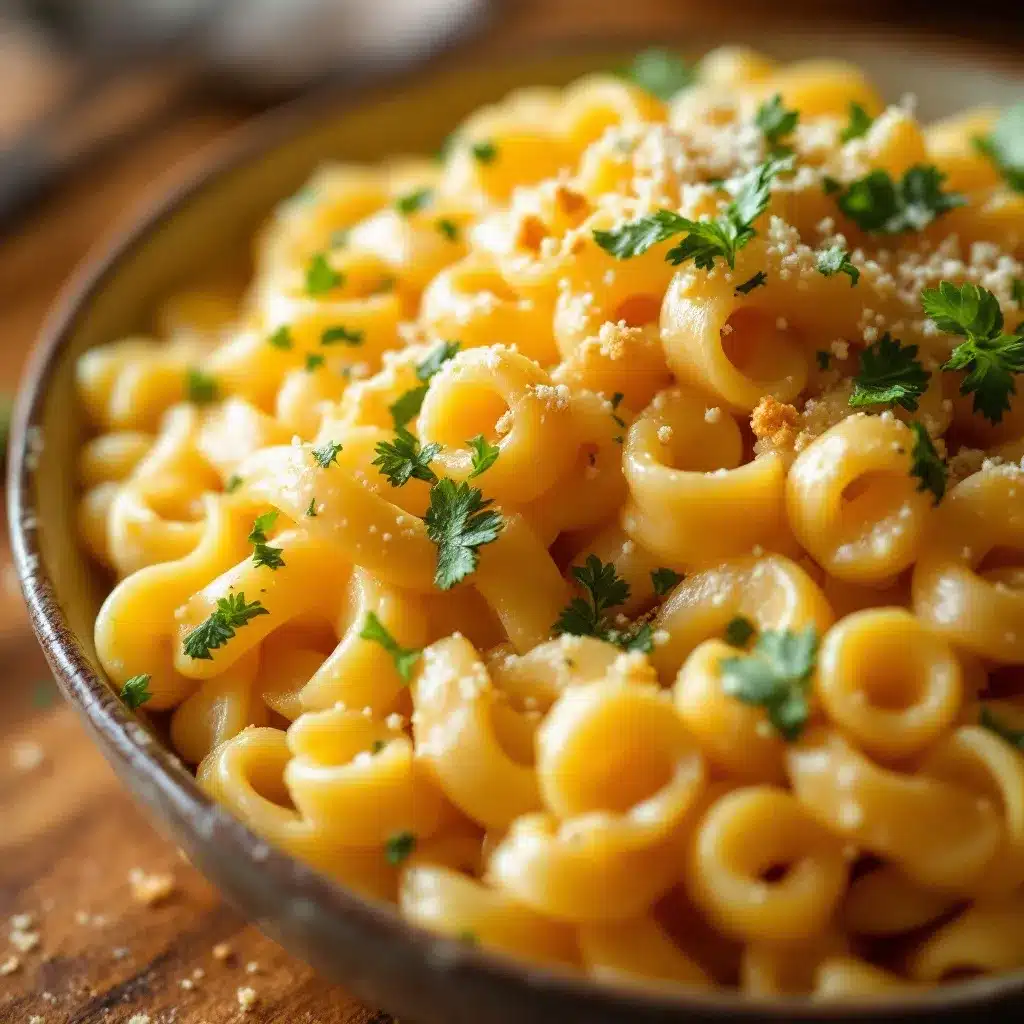
This is where the magic happens. Follow these steps, and you’ll have a hot, satisfying meal in about 20 minutes.
- Heat the oil. Place your pot over medium heat and add the olive oil. Let it warm up for about 30 seconds—you want it shimmering, not smoking.
- Cook the aromatics. Add the diced onion and cook for 3-4 minutes, stirring occasionally, until it turns translucent and soft. If you’re using fresh garlic, add it in the last minute of cooking. (If you’re using garlic powder, add it later with the other dried spices.) The smell alone will make you feel like you know what you’re doing.
- Add the tomatoes and seasonings. Pour in the entire can of diced tomatoes, including the liquid. Add the dried oregano, red pepper flakes (if using), and a pinch of salt and pepper. Stir everything together and let it bubble for about a minute.
- Add the pasta and liquid. Pour in the dried pasta and the vegetable broth or water. Stir well to make sure the pasta isn’t sticking to the bottom. The liquid should just about cover the pasta—if it doesn’t, add a splash more water.
- Bring to a boil, then simmer. Turn the heat up to high and bring the mixture to a boil. Once it’s boiling, reduce the heat to medium-low so it’s at a gentle simmer. You want steady little bubbles, not a violent rolling boil.
- Cook, stirring occasionally. Let the pasta cook for 10-12 minutes, stirring every 2-3 minutes to prevent sticking. The pasta will absorb the liquid as it cooks, creating a built-in sauce. If the pot starts looking dry before the pasta is done, add a splash more water or broth.
- Check for doneness. After 10 minutes, taste a piece of pasta. It should be tender but still have a slight bite (al dente). If it’s still too firm, cook for another 2 minutes and check again.
- Finish and adjust. Once the pasta is cooked, turn off the heat. If you’re adding spinach, stir it in now and let it wilt for a minute. Taste and adjust salt and pepper. If you have Parmesan or nutritional yeast, sprinkle it on top.
- Serve immediately. Eat it straight from the pot (no judgment) or portion it into bowls. This recipe doesn’t sit well—the pasta will continue to absorb liquid and get softer—so eat it right away for the best texture.
Cooking Tips & Techniques
I’ve made this recipe more times than I can count, and I’ve learned a few things the hard way. Here’s what I wish someone had told me:
Don’t skip the stirring. I know it’s tempting to walk away and let it do its thing, but one-pot pasta needs attention. The starch from the pasta can make it stick to the bottom of the pot if you don’t stir every few minutes. Set a timer if you have to, but don’t abandon it.
Trust the liquid ratio. It might look like too much liquid at the beginning, but the pasta will absorb almost all of it. If it looks soupy at the 8-minute mark, don’t panic—just keep stirring. By the time the pasta is done, you should have a nice, saucy consistency.
Salt your water, sort of. Since the pasta cooks directly in the sauce, you need to season the entire pot. Don’t be shy with the salt—pasta needs salt to taste like anything. Start with 1/2 teaspoon and adjust at the end.
Use the right pasta shape. Short, sturdy shapes like penne, rotini, or fusilli work best. Long pasta like spaghetti tends to clump together when cooked this way. Save the long noodles for another day.
Resist the urge to drain. I know it feels wrong. But the whole point of this recipe is that the pasta absorbs the liquid and creates its own sauce. If you drain it, you’ll be left with bland, sad pasta. Trust the process.
Variations & Adaptations
This recipe is a blank canvas. Here are some ways to make it your own:
- Protein Boost: Add a can of drained chickpeas or white beans along with the pasta. Or stir in leftover cooked ground beef, shredded chicken, or crumbled sausage at the end.
- Veggie-Packed: Throw in a handful of frozen peas or spinach in the last 2 minutes of cooking. Dice a zucchini and add it with the onions. Grate a carrot into the pot for extra nutrition you won’t even taste.
- Spicy Version: Double the red pepper flakes, or add a chopped fresh chili with the garlic. A dash of hot sauce at the end works too.
- Creamy Twist: Stir in a splash of milk or a spoonful of cream cheese at the very end, off the heat. It won’t be traditional, but it’ll be delicious.
- Herby Finish: If you have fresh herbs—basil, parsley, oregano—chop them up and sprinkle them on top right before serving. It makes it look fancy for zero extra effort.
My personal favorite variation is adding a spoonful of peanut butter (yes, really) along with the tomatoes. It sounds weird, but it adds a subtle richness and a hint of satay flavor. Don’t knock it till you’ve tried it.
Serving & Storage Suggestions
This pasta is best enjoyed immediately, straight from the pot, preferably while sitting on the floor or at a cluttered desk. But here are some practical tips:
Serving: Scoop into bowls and top with whatever you have—grated cheese, red pepper flakes, a drizzle of olive oil, or nothing at all. It’s hearty enough to be a complete meal on its own.
Storage: Leftovers will keep in an airtight container in the fridge for up to 3 days. Just know that the pasta will continue to absorb liquid, so it’ll be softer and less saucy the next day. Some people actually prefer it that way.
Reheating: Add a splash of water or broth when reheating to loosen it up. Microwave for 1-2 minutes, stirring halfway through. Or reheat in a pot on the stove with a little extra liquid.
Freezing: I don’t recommend freezing this dish. The pasta texture changes too much. If you want to meal prep, cook the sauce separately and freeze that, then cook fresh pasta when you’re ready to eat.
Nutritional Information & Benefits
Per serving (based on 2 servings, without optional add-ins):
- Calories: ~380
- Protein: 11g
- Carbohydrates: 62g
- Fat: 10g
- Fiber: 6g
- Sodium: 580mg (varies based on broth and added salt)
This recipe is naturally vegan if you use water or vegetable broth and skip the cheese at the end. It’s also dairy-free and nut-free. The fiber content is decent thanks to the whole wheat pasta option and the tomatoes. If you’re watching your sodium, use low-sodium broth or water and go easy on the added salt.
From a wellness perspective, this is the kind of meal that keeps you going without breaking the bank or your health goals. It’s real food made from real ingredients—no preservatives, no mystery additives, just honest cooking.
Conclusion
This easy one-pot pasta recipe is proof that you don’t need a fancy kitchen, a big budget, or culinary training to eat well. It’s the recipe I turned to during my broke college days, and it’s the recipe I still make when I need something comforting and uncomplicated. It’s forgiving, flexible, and genuinely delicious.
I hope you give it a try, and I hope you make it your own. Add what you have, skip what you don’t, and don’t stress about perfection. That’s the whole point.
If you make this recipe, let me know in the comments! Tell me what add-ins you used, what your dorm kitchen looked like, or just say hi. And if you’re looking for another easy, budget-friendly meal, you might enjoy this creamy one-pot tomato tortellini soup or these quick Korean bulgogi ground beef rice bowls for another night when you need something fast and satisfying.
Happy cooking, and remember—you’ve got this. Even on $4.27.
Frequently Asked Questions
Can I use gluten-free pasta in this recipe?
Yes, but you’ll need to adjust the cooking time and liquid. Gluten-free pasta tends to absorb liquid differently and can get mushy if overcooked. Check the package instructions and start checking for doneness a few minutes earlier than the recipe suggests.
What if I don’t have a can of diced tomatoes?
No problem. You can use tomato sauce (add an extra 1/4 cup of water since it’s thicker), crushed tomatoes, or even a few tablespoons of tomato paste dissolved in 1 1/2 cups of water. Fresh tomatoes work too—just chop them up and add them with the liquid.
Can I make this in a microwave?
Technically yes, but it won’t be the same. If you’re in a dorm with only a microwave, cook the pasta separately in a microwave-safe bowl with water, then drain and mix with heated tomato sauce. It’s not one-pot anymore, but it’ll still be a decent meal.
How do I keep the pasta from getting too mushy?
Don’t overcook it. Start checking the pasta at the 8-minute mark and remove it from heat as soon as it’s al dente. Also, resist the urge to add too much liquid—you want just enough to cook the pasta, not swim in it.
Can I double this recipe?
Absolutely. Just make sure your pot is big enough (at least 6 quarts for a double batch). The cooking time might increase by a few minutes since there’s more liquid to absorb. Stir more frequently to prevent sticking.
Pin This Recipe!
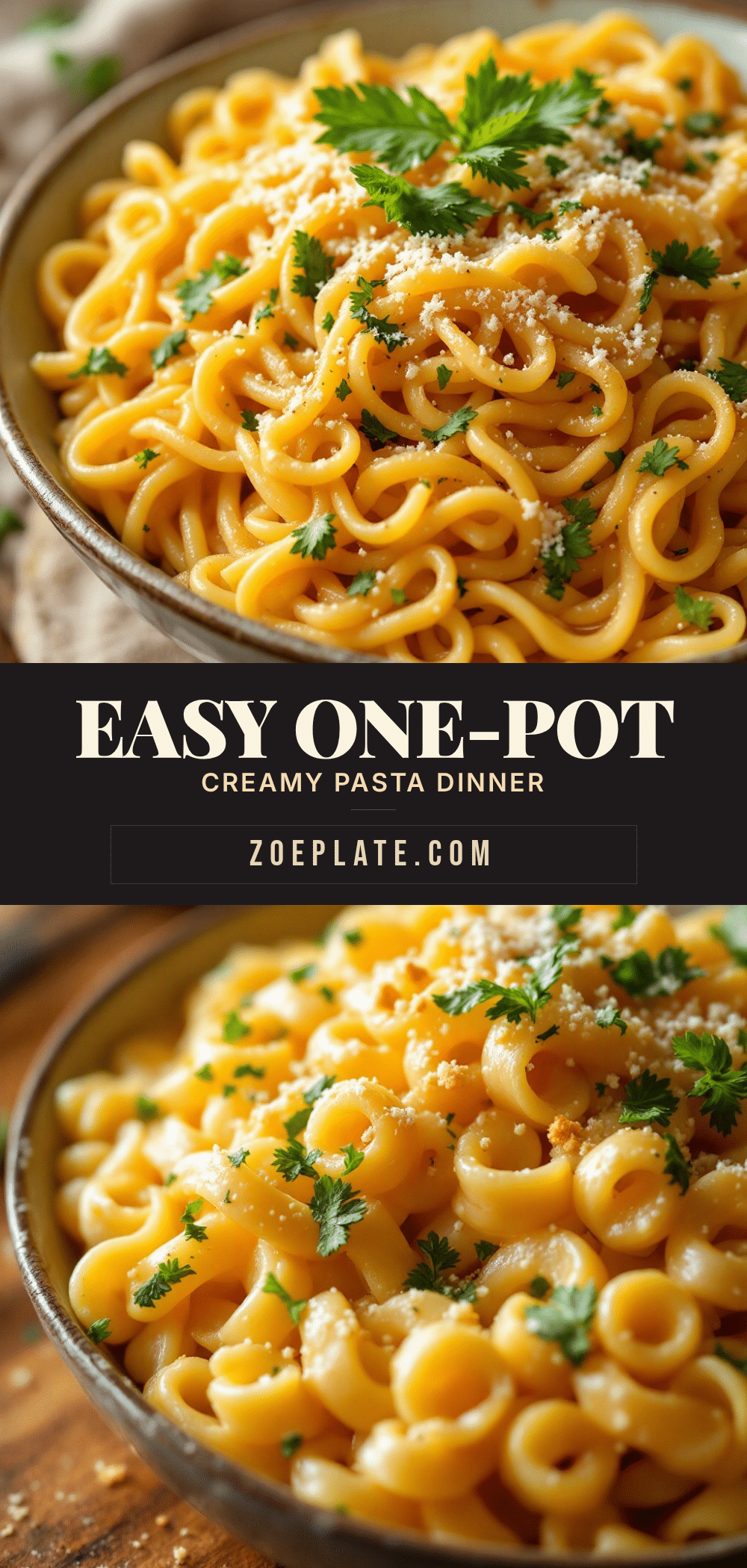
Best Easy One-Pot Pasta Recipe for Broke Students
A budget-friendly, one-pot pasta recipe that’s ready in 20 minutes and uses simple pantry staples. Perfect for college students or anyone looking for a quick, comforting meal without the fuss.
- Prep Time: 5 minutes
- Cook Time: 15 minutes
- Total Time: 20 minutes
- Yield: 2 servings 1x
- Category: Main Course
- Cuisine: Italian-American
Ingredients
- 8 oz (226g) dried pasta (penne, rotini, fusilli, or broken spaghetti)
- 1 can (14.5 oz / 411g) diced tomatoes (fire-roasted preferred, undrained)
- 1 small yellow onion, diced (about 1 cup)
- 3–4 cloves garlic, minced (or 1 teaspoon garlic powder)
- 2 cups (480ml) vegetable broth or water
- 2 tablespoons olive oil (or any cooking oil)
- 1 teaspoon dried oregano (or Italian seasoning)
- 1/2 teaspoon red pepper flakes (optional)
- Salt and black pepper to taste (start with 1/2 teaspoon salt)
- Optional add-ins: handful of spinach, leftover cooked meat, tomato paste, Parmesan or nutritional yeast
Instructions
- Heat the olive oil in a large pot or deep skillet over medium heat until shimmering.
- Add the diced onion and cook for 3-4 minutes, stirring occasionally, until translucent. Add the minced garlic in the last minute of cooking (if using garlic powder, add later with dried spices).
- Pour in the entire can of diced tomatoes (with liquid), dried oregano, red pepper flakes (if using), and a pinch of salt and pepper. Stir and let bubble for about 1 minute.
- Add the dried pasta and vegetable broth or water. Stir well to prevent sticking. The liquid should just about cover the pasta; add a splash more water if needed.
- Increase heat to high and bring to a boil. Reduce heat to medium-low to maintain a gentle simmer.
- Cook for 10-12 minutes, stirring every 2-3 minutes to prevent sticking. If the pot looks dry before pasta is done, add a splash more water or broth.
- After 10 minutes, taste a piece of pasta. It should be tender but still slightly firm (al dente). Cook 2 more minutes if needed.
- Turn off the heat. If adding spinach, stir it in and let wilt for 1 minute. Adjust salt and pepper to taste. Sprinkle with Parmesan or nutritional yeast if desired.
- Serve immediately. Eat straight from the pot or portion into bowls.
Notes
Don’t skip stirring to prevent sticking. The pasta absorbs the liquid to create its own sauce—do not drain. For best texture, serve immediately. Leftovers keep in the fridge for up to 3 days; add a splash of water when reheating. Not recommended for freezing.
Nutrition
- Serving Size: 1 serving (half of r
- Calories: 380
- Sugar: 8
- Sodium: 580
- Fat: 10
- Saturated Fat: 1.5
- Carbohydrates: 62
- Fiber: 6
- Protein: 11
Keywords: one-pot pasta, easy pasta recipe, budget-friendly, college student meals, quick dinner, pantry pasta, vegetarian pasta