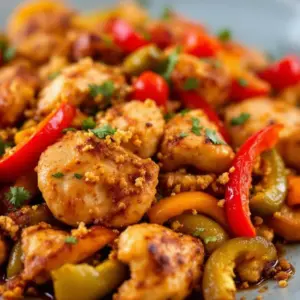
My husband took one bite of this honey garlic salmon, looked at his plate like it had just told him a secret, and then asked if we could have it again the next night. That never happens. I mean, he likes my cooking fine, but he is not the type to request a repeat performance twenty-four hours later. I was honestly just trying to use up the last of a jar of honey and a bag of frozen broccoli before our weekly grocery run. The whole thing came together in one pan because I didn’t want to do dishes. And honestly? That accidental weeknight scramble turned into the dinner we now crave on days when we are tired, hungry, and need something that actually works the first time. No fuss, no fancy ingredients, just sticky, glossy salmon with that sweet-savory glaze that caramelizes around the edges. It is the kind of meal that makes you feel like you have your life together, even if you are wearing sweatpants and cooking with one eye on the clock.
The salmon fillets get a quick sear in the skillet, then you pour this ridiculously simple sauce over them—honey, soy sauce, garlic, a little butter for richness—and let everything simmer together until the fish flakes apart and the sauce turns into this thick, glossy coating. The broccoli roasts right alongside it, soaking up all that garlicky goodness. It is one of those rare recipes where the prep takes five minutes, the cooking takes fifteen, and the payoff tastes like you spent an hour in the kitchen. I have made it twice this week alone, and I am not embarrassed about that.
Why You’ll Love This Recipe
I have tested this recipe more times than I care to admit, tweaking the honey-to-soy ratio, adjusting the heat, even trying it with different types of salmon. This version is the one. It is the Goldilocks of honey garlic salmon—not too sweet, not too salty, with a glaze that clings to every flake without being cloying. Here is why it keeps ending up on our dinner rotation.
- Quick & Easy: From start to finish, this dish is ready in about 20 minutes. That includes the time it takes to mince garlic and measure out the sauce ingredients. Perfect for those nights when you walk through the door at 6 PM and need to eat by 6:30.
- Simple Ingredients: You probably already have honey, soy sauce, garlic, and butter in your kitchen right now. No trips to a specialty store, no hunting down obscure pantry items. Just honest, everyday staples.
- One-Pan Wonder: The salmon and vegetables cook together in a single skillet. That means less cleanup, less hassle, and more time to actually sit down and enjoy your meal. I am all about minimizing the post-dinner dish pile.
- Perfect for Busy Weeknights: This is the kind of dinner that feels special but requires almost no effort. It is impressive enough for a casual date night but simple enough for a Tuesday when you have zero energy left.
- Crowd-Pleaser: Even people who claim they don’t love fish end up going back for seconds. The honey garlic glaze is that good. It hits that universal sweet-and-savory spot that almost everyone loves.
- Unbelievably Delicious: The texture is what gets me every time. The salmon develops a beautiful golden crust from the sear, then the sauce reduces into this sticky, almost caramelized coating that tastes like comfort food but feels a little bit fancy.
What makes this recipe different from the dozens of other salmon recipes out there? It is the balance. So many honey garlic sauces lean too sweet or too garlicky. This one hits just right because of the butter—it rounds out the sharpness of the garlic and mellows the honey so the soy sauce can shine through. And cooking everything in one pan means the broccoli picks up those caramelized bits from the salmon, which is honestly the best part.
This is the recipe I turn to when I need a guaranteed win. It is the one I make for friends who think they don’t like cooking at home. It is simple, reliable, and genuinely delicious. I think you are going to love it.
What Ingredients You Will Need
This recipe relies on a handful of pantry staples and fresh ingredients to create something that tastes far greater than the sum of its parts. Here is everything you need and a little guidance on choosing the best options.
- Salmon Fillets (4 fillets, about 6 ounces each): Look for fillets that are similar in thickness so they cook evenly. I prefer wild-caught salmon when I can find it, but farm-raised Atlantic salmon works beautifully here too. The key is fresh-looking flesh with no fishy smell. If using frozen, thaw completely in the refrigerator overnight and pat very dry before cooking.
- Honey (⅓ cup): Use a mild, runny honey for the smoothest sauce. Orange blossom or clover honey work well. Avoid raw, crystallized honey unless you warm it first, as it won’t dissolve evenly into the sauce.
- Low-Sodium Soy Sauce (¼ cup): I recommend Kikkoman or San-J for consistent flavor. Low-sodium is important here because the sauce reduces and concentrates—full-sodium soy sauce can make the final dish too salty. For a gluten-free option, use tamari or coconut aminos.
- Garlic (4 cloves, minced): Fresh garlic is non-negotiable here. Pre-minced jarred garlic has a different flavor and can burn more easily. Take the extra minute to mince fresh cloves—it makes a real difference.
- Unsalted Butter (2 tablespoons): The butter adds richness and helps the sauce emulsify into a glossy, smooth glaze. I use unsalted to control the salt level. If you only have salted butter, reduce the soy sauce by a tablespoon.
- Olive Oil (1 tablespoon): For searing the salmon. Avocado oil works too if you prefer a higher smoke point.
- Broccoli Florets (3 cups, about 1 large head): Cut into bite-sized pieces so they cook quickly and evenly. The stems are great too—just peel the tough outer layer and slice them thin. Fresh broccoli is best, but frozen works in a pinch (just thaw and pat dry first).
- Optional Garnishes: Sesame seeds (toasted), sliced green onions, and a squeeze of fresh lemon juice. These add color, texture, and a little brightness that cuts through the richness of the glaze.
Ingredient Selection Tips: For the salmon, look for fillets with vibrant color and firm, moist flesh. Avoid any that look dull or have brown edges. For the broccoli, choose heads with tight, dark green florets and firm stems. If the florets are starting to yellow, the broccoli is past its prime.
Substitutions: If you don’t have broccoli, asparagus, green beans, or snap peas work wonderfully. For a dairy-free version, use coconut oil or a plant-based butter alternative—just be aware the sauce may not thicken quite as much. If you are watching your sugar intake, you can reduce the honey to ¼ cup and add an extra tablespoon of soy sauce, but the glaze will be thinner.
Equipment Needed
One of the best things about this recipe is how little equipment it requires. You do not need a dozen pots and pans or any fancy gadgets. Here is what you will need:
- Large Skillet (12-inch): A non-stick or well-seasoned cast iron skillet works best. The non-stick surface makes cleanup even easier, and cast iron gives you a beautiful sear on the salmon. I use my Lodge cast iron skillet for this recipe almost every time.
- Sharp Knife: For mincing garlic and cutting broccoli. A Victorinox chef’s knife is my go-to—it is affordable and stays sharp for ages.
- Cutting Board: Any sturdy board will do. I prefer wood or bamboo because they are gentler on knives.
- Measuring Spoons and Cups: For the honey, soy sauce, and oil. A liquid measuring cup makes pouring the sauce easier.
- Small Bowl: To whisk together the sauce ingredients before adding them to the pan.
- Spatula or Fish Turner: A thin, flexible spatula helps flip the salmon without breaking it apart. A fish turner is even better if you have one.
- Tongs: For tossing the broccoli and moving the salmon around the pan.
Budget-Friendly Alternatives: If you don’t own a cast iron skillet, any large non-stick pan will work. You can skip the fish turner and use a regular spatula—just be gentle when flipping. A whisk is nice for the sauce, but a fork works in a pinch.
Maintenance Tip: After cooking, let your cast iron skillet cool slightly, then wash it with hot water and a stiff brush. Avoid soap unless absolutely necessary, and dry it thoroughly on the stove over low heat before rubbing a thin layer of oil into the surface.
Preparation Method
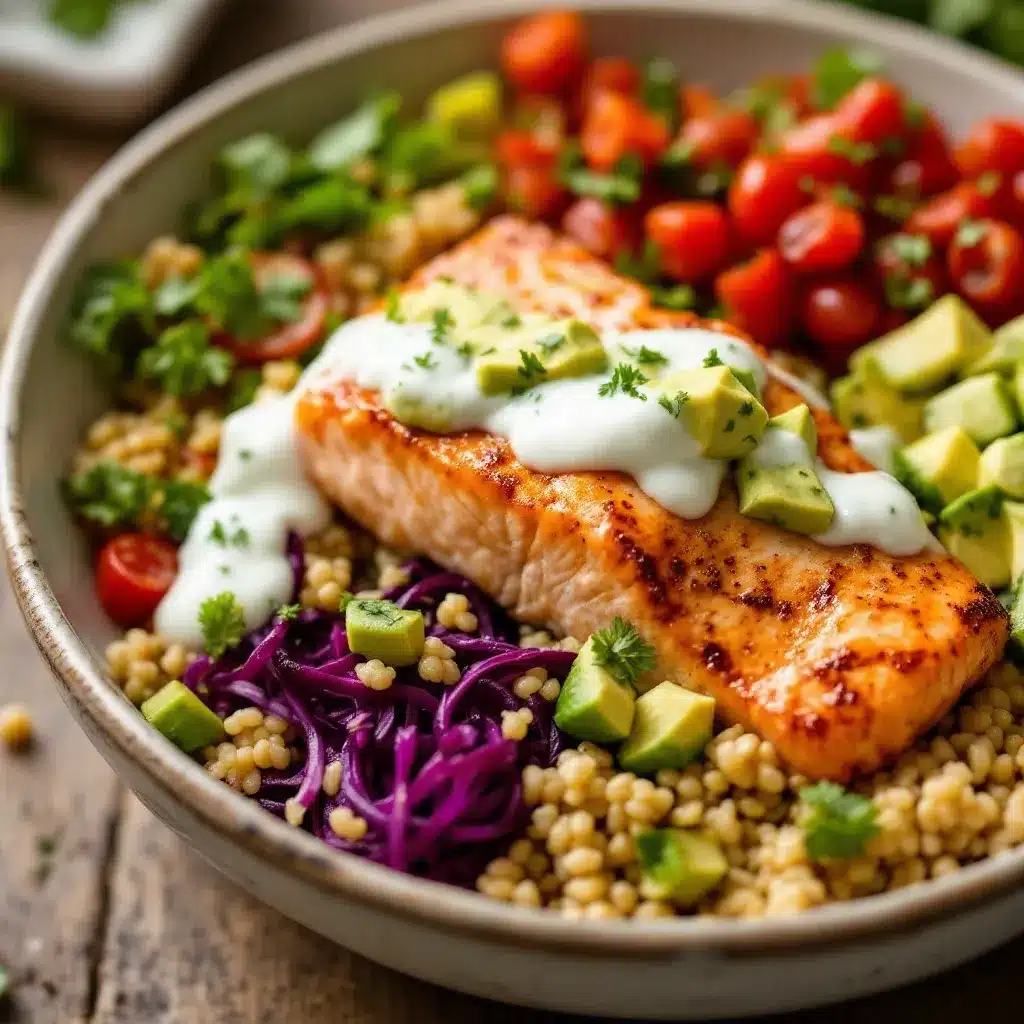
This recipe moves fast, so I recommend having all your ingredients prepped and measured before you turn on the heat. Trust me on this one—the sauce reduces quickly, and you don’t want to be scrambling to mince garlic while the salmon is burning. Here is how to do it.
- Prep the Ingredients: Pat the salmon fillets dry with paper towels. This step is crucial—dry salmon sears better and develops that golden crust we are after. Season both sides lightly with salt and pepper. Cut the broccoli into bite-sized florets. Mince the garlic cloves. In a small bowl, whisk together the honey, low-sodium soy sauce, and minced garlic until well combined. Set everything near the stove so it is within reach.
- Heat the Pan: Place your large skillet over medium-high heat and add the olive oil. Let it heat until the oil shimmers and moves easily across the pan—about 1 to 2 minutes. You want the pan hot enough to sear the salmon but not so hot that the oil starts smoking.
- Sear the Salmon: Carefully place the salmon fillets skin-side down (if they have skin) or presentation-side down (if skinless) into the hot pan. Let them cook undisturbed for 3 to 4 minutes. You should hear a steady sizzle. If the pan is too crowded, cook the fillets in two batches. The salmon is ready to flip when the edges look opaque and the bottom is golden brown. Use your spatula to gently flip each fillet. Cook for another 2 minutes on the second side.
- Add the Broccoli: Push the salmon to one side of the pan and add the broccoli florets to the empty space. Toss them in the pan juices and let them cook for 2 minutes, stirring occasionally. The broccoli should start to turn bright green and develop a few charred spots.
- Pour the Sauce: Pour the honey-soy-garlic mixture evenly over the salmon and broccoli. Add the 2 tablespoons of butter, placing them on top of the sauce so they melt slowly. Let everything come to a gentle simmer. The sauce will look thin at first—do not panic.
- Simmer and Glaze: Reduce the heat to medium-low and let the sauce simmer for 3 to 5 minutes. As it bubbles, it will thicken and reduce into a glossy, sticky glaze. Spoon the sauce over the salmon fillets a few times during this process to build up that beautiful coating. The broccoli will soften and absorb the flavors. The salmon is done when it flakes easily with a fork and the internal temperature reaches 145°F (63°C) at the thickest part.
- Finish and Serve: Remove the pan from the heat. If you are using garnishes, sprinkle toasted sesame seeds and sliced green onions over the top. Squeeze a little fresh lemon juice over everything for brightness. Serve immediately, spooning any remaining glaze from the pan over the salmon and broccoli.
Prep Note: If your broccoli florets are large, cut them into smaller pieces so they cook in the same time as the salmon. You can also blanch the broccoli in boiling water for 1 minute before adding it to the pan if you prefer it very tender.
Sensory Cues: When the salmon is searing, listen for a steady sizzle—if it is quiet, the pan isn’t hot enough. The sauce will go from thin and watery to thick and syrupy as it reduces; you will see it clinging to the back of a spoon. The broccoli should be bright green with some golden-brown edges, not limp or mushy.
Troubleshooting Tip: If your sauce is not thickening after 5 minutes, turn the heat up to medium-high and let it bubble vigorously for another minute or two. If it is thickening too quickly and starting to burn, add a splash of water or chicken broth to thin it out.
Cooking Tips & Techniques
I have made this recipe enough times to learn a few things the hard way. Here are my best tips to help you avoid the mistakes I made and get perfect results every time.
Pat the Salmon Bone-Dry: This is the most important step, and I cannot emphasize it enough. Wet salmon will steam instead of sear, and you will end up with pale, sad fillets instead of golden, crispy ones. Use paper towels and really press them into the flesh to absorb as much moisture as possible.
Don’t Move the Salmon Too Early: When you first place the salmon in the hot pan, leave it alone. I know it is tempting to peek or shift it around, but the fish needs time to develop that crust. After about 3 minutes, it should release easily from the pan. If it sticks, it is not ready to flip yet. Give it another 30 seconds and try again.
Watch the Garlic: Garlic burns fast, especially in a sauce with honey. That is why we add the sauce after the salmon is seared, not before. If you add the garlic too early, it will turn bitter and ruin the whole dish. Keep the heat at medium-low once the sauce goes in, and stir frequently to prevent the garlic from scorching on the bottom of the pan.
Use a Thermometer: Overcooked salmon is dry and crumbly. Undercooked salmon is, well, raw. The sweet spot is 145°F (63°C) at the thickest part. An instant-read thermometer takes the guesswork out of it. If you don’t have one, look for the fish to flake easily when you press it with a fork—it should separate into clean, moist pieces.
Adjust the Heat as You Go: Every stove is different. If your sauce is reducing too quickly and starting to look dark and sticky before the salmon is done, turn the heat down. If it is still watery after 5 minutes, turn it up. Stay flexible and watch the pan, not the clock.
My Biggest Failure: The first time I made this, I used full-sodium soy sauce and added extra salt to the salmon. The result was a salt lick disguised as dinner. We ate it anyway because I was too stubborn to admit defeat, but it taught me to always taste the sauce before pouring it over the fish. You can always add more salt later, but you cannot take it out.
Variations & Adaptations
This recipe is wonderfully adaptable. Here are some of my favorite ways to change it up depending on what I have in the fridge or who I am cooking for.
Spicy Honey Garlic Salmon: Add 1 teaspoon of sriracha or red pepper flakes to the sauce along with the garlic. The heat pairs beautifully with the sweetness of the honey. If you really love spice, add a little extra and garnish with sliced fresh chili. For a different take, try making crispy air fryer honey sriracha Brussels sprouts on the side for a spicy-sweet veggie duo.
Lemon Garlic Herb Version: Add 2 tablespoons of fresh lemon juice and 1 teaspoon of dried thyme or oregano to the sauce. Finish with a sprinkle of fresh parsley. The acidity cuts through the richness and makes the dish feel lighter, especially good for spring or summer dinners.
Low-Carb/Keto Adaptation: Replace the honey with a sugar-free honey substitute or use 2 tablespoons of monk fruit sweetener dissolved in 2 tablespoons of water. Serve with extra broccoli or roasted asparagus instead of any starchy sides. The glaze will be slightly thinner, so let it reduce a little longer.
Vegetable Swap: Not a broccoli fan? Try asparagus (trimmed and cut into 2-inch pieces), green beans, snap peas, or even halved Brussels sprouts. Each vegetable brings its own texture. Asparagus cooks fastest, so add it a minute or two after the sauce goes in. Brussels sprouts need a little more time, so add them with the sauce and let them simmer.
Sheet Pan Method: If you prefer baking, preheat your oven to 400°F (200°C). Place the salmon and broccoli on a lined baking sheet, pour the sauce over everything, and bake for 12 to 15 minutes. The glaze will caramelize beautifully in the oven. This method is great for feeding a crowd or if you want to keep your stovetop free for other dishes.
Personal Variation I Love: Sometimes I add a tablespoon of grated fresh ginger to the sauce along with the garlic. The ginger adds a warm, slightly peppery note that complements the honey and soy beautifully. It is a small change, but it makes the dish feel entirely different—like a ginger-honey garlic salmon that is somehow both familiar and new.
Serving & Storage Suggestions
This salmon is best served fresh from the pan, when the glaze is still glossy and the broccoli is tender-crisp. But leftovers are pretty great too, if you handle them right.
Serving Temperature: Serve the salmon hot, straight from the skillet. The glaze will start to set as it cools, so don’t let it sit too long. If you need to keep it warm while finishing other dishes, cover the pan loosely with foil and set it over the lowest possible heat.
What to Serve With It: This dish pairs beautifully with steamed jasmine rice or garlic butter shrimp and broccoli rice bowl for a complete meal. The rice soaks up the extra glaze, which is honestly the best part. For a lighter option, serve it over cauliflower rice or a simple green salad. A side of creamy cucumber dill Greek yogurt salad adds a cool, refreshing contrast to the warm, sticky salmon.
Drink Pairings: A crisp white wine like Sauvignon Blanc or Pinot Grigio works wonderfully with the sweet and savory flavors. For a non-alcoholic option, try iced green tea with a splash of lemon or sparkling water with a squeeze of lime.
Storage Instructions: Let any leftovers cool completely to room temperature, then transfer them to an airtight container. Store in the refrigerator for up to 3 days. The salmon will lose some of its crispy edges, but the flavor will still be great.
Reheating Methods: The best way to reheat is in a skillet over medium-low heat with a splash of water or chicken broth to loosen the glaze. Cover the pan and let it warm through for 3 to 4 minutes. You can also use the microwave, but the salmon will be softer and the broccoli may become mushy. If using the microwave, heat in 30-second bursts on 50% power and stop as soon as it is warm.
Freezer Notes: I do not recommend freezing cooked salmon, as the texture changes significantly upon thawing. The glaze will separate and the fish will become dry and mealy. If you must freeze, do so in a freezer-safe container for up to 1 month, and reheat gently in a covered skillet.
How Flavors Develop: The salmon is best fresh, but the flavors actually deepen overnight. The honey and soy continue to meld, and the garlic becomes less sharp. If you have leftovers, try flaking the cold salmon over a salad the next day for lunch—it is surprisingly delicious.
Nutritional Information & Benefits
This recipe is not only delicious but also packed with nutrients that make it a smart choice for a healthy weeknight dinner. Here is a rough breakdown per serving (one fillet with broccoli and glaze).
| Nutrient | Amount Per Serving |
|---|---|
| Calories | ~420 kcal |
| Protein | 38 g |
| Fat | 18 g |
| Saturated Fat | 6 g |
| Carbohydrates | 28 g |
| Fiber | 4 g |
| Sugar | 22 g |
| Sodium | 780 mg |
Health Benefits: Salmon is one of the best sources of omega-3 fatty acids, which support heart health, brain function, and reduce inflammation. It is also rich in high-quality protein, B vitamins, and selenium. Broccoli adds a hefty dose of vitamin C, vitamin K, fiber, and antioxidants. The honey provides natural sweetness with a lower glycemic impact than refined sugar, though it is still best enjoyed in moderation.
Dietary Considerations: This recipe is naturally gluten-free if you use tamari or coconut aminos instead of soy sauce. It is also dairy-free if you swap the butter for coconut oil or a plant-based alternative. For a lower-carb version, reduce the honey to 2 tablespoons and serve with extra vegetables.
Allergen Note: This recipe contains fish (salmon) and soy (soy sauce). It may also contain dairy (butter) unless substituted. Always check your ingredient labels if cooking for someone with allergies.
I love that this recipe feels indulgent but is actually packed with good-for-you ingredients. It is the kind of meal that makes you feel satisfied without that heavy, weighed-down feeling. Perfect for a nourishing weeknight dinner that still feels like a treat.
Conclusion
This easy one-pan honey garlic salmon has become a staple in my kitchen for a reason. It is fast, forgiving, and genuinely delicious. The glaze caramelizes into something that tastes like it took far more effort than it actually did, and the broccoli soaks up all those savory-sweet juices like a champ. It is the dinner I make when I want to feel like I have my act together without actually having to try very hard.
I hope you give this recipe a try and make it your own. Add a little extra heat if you like spice, swap in whatever vegetables you have on hand, or double the sauce if you want extra for drizzling over rice. Cooking should feel flexible and fun, not rigid and stressful. This recipe is built for that kind of adaptability.
If you make this honey garlic salmon, I would love to hear about it. Leave a comment below and let me know how it turned out, what variations you tried, or if you ended up eating it straight from the pan like I sometimes do. No judgment here. Happy cooking, friends!
Frequently Asked Questions
Can I use frozen salmon for this recipe?
Yes, you can. Thaw the salmon completely in the refrigerator overnight, then pat it very dry with paper towels before cooking. Frozen salmon tends to release more water as it cooks, so drying it thoroughly is extra important for getting a good sear.
How do I know when the salmon is fully cooked?
The most reliable method is using an instant-read thermometer inserted into the thickest part of the fillet. It should read 145°F (63°C). Without a thermometer, look for the fish to flake easily when pressed with a fork. The flesh should be opaque and separate into clean, moist pieces.
Can I make this recipe with chicken instead of salmon?
Absolutely. Boneless, skinless chicken thighs or breasts work well. For chicken thighs, increase the cooking time to about 6 to 8 minutes per side before adding the sauce. For breasts, pound them to an even thickness first so they cook evenly. Make sure the internal temperature reaches 165°F (74°C).
Why did my sauce turn out too thin?
This usually happens when the heat is too low or the sauce hasn’t had enough time to reduce. Turn the heat up to medium-high and let it bubble vigorously for another minute or two. If it is still thin, your honey may be more diluted than usual—try adding an extra tablespoon next time.
Can I meal prep this recipe for the week?
You can prep the ingredients ahead of time—mince the garlic, cut the broccoli, and mix the sauce—but I recommend cooking the salmon fresh. Cooked salmon does not reheat as well as other proteins. If you do make it ahead, store it in the fridge and reheat gently in a covered skillet with a splash of water.
Pin This Recipe!
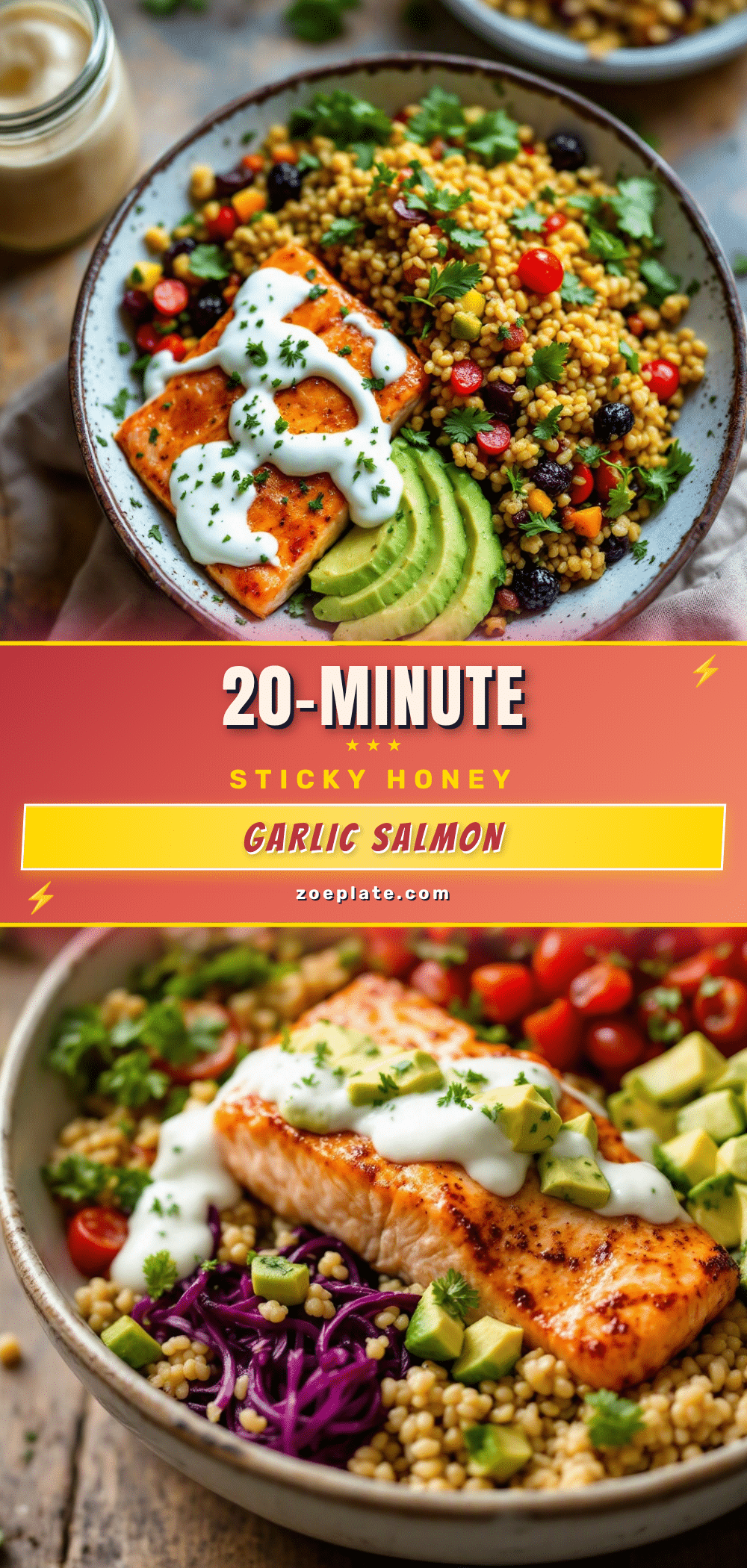
Easy One-Pan Honey Garlic Salmon – Perfect 20-Minute Dinner

A quick and easy one-pan honey garlic salmon with broccoli, ready in 20 minutes. The sweet-savory glaze caramelizes around the edges, making it a perfect weeknight dinner that feels special with minimal effort.
- Prep Time: 5 minutes
- Cook Time: 15 minutes
- Total Time: 20 minutes
- Yield: 4 servings 1x
- Category: Main Course
- Cuisine: American
Ingredients
- 4 salmon fillets (about 6 ounces each)
- 1/3 cup honey
- 1/4 cup low-sodium soy sauce
- 4 cloves garlic, minced
- 2 tablespoons unsalted butter
- 1 tablespoon olive oil
- 3 cups broccoli florets (about 1 large head)
- Salt and pepper to taste
- Optional: sesame seeds, sliced green onions, fresh lemon juice for garnish
Instructions
- Pat the salmon fillets dry with paper towels and season lightly with salt and pepper. Cut broccoli into bite-sized florets. Mince garlic. In a small bowl, whisk together honey, low-sodium soy sauce, and minced garlic.
- Heat olive oil in a large skillet over medium-high heat until shimmering. Place salmon fillets skin-side down (or presentation-side down if skinless) in the hot pan. Cook undisturbed for 3-4 minutes until golden brown, then flip and cook for another 2 minutes.
- Push salmon to one side of the pan and add broccoli florets. Toss in pan juices and cook for 2 minutes, stirring occasionally, until bright green with some charred spots.
- Pour the honey-soy-garlic mixture evenly over the salmon and broccoli. Add butter on top. Reduce heat to medium-low and let simmer for 3-5 minutes, spooning sauce over salmon occasionally, until sauce thickens and salmon flakes easily (internal temperature 145°F).
- Remove from heat. Garnish with sesame seeds, green onions, and lemon juice if desired. Serve immediately.
Notes
Pat salmon bone-dry for best sear. Don’t move salmon too early; let it develop a crust. Watch garlic to prevent burning. Use a thermometer for perfect doneness (145°F). Adjust heat as needed. For a thicker sauce, simmer longer; if too thick, add a splash of water.
Nutrition
- Serving Size: 1 fillet with brocco
- Calories: 420
- Sugar: 22
- Sodium: 780
- Fat: 18
- Saturated Fat: 6
- Carbohydrates: 28
- Fiber: 4
- Protein: 38
Keywords: honey garlic salmon, one-pan salmon, easy salmon recipe, 20-minute dinner, weeknight dinner, salmon with broccoli