I did not trust a creamy cucumber salad. It sounded like a recipe for soggy disappointment—cucumbers turning into a watery mess, the dressing breaking apart, and everything tasting more like diluted ranch than anything fresh. For years, I skipped past these salads at potlucks and barbecues, loading my plate with the coleslaw or the baked beans instead. Then my neighbor brought a bowl of this to a July cookout, and I watched people go back for thirds. I took a tiny spoonful out of politeness and ended up standing by the bowl, eating it straight from the serving spoon.
That was six years ago. I have made this salad at least twice a month ever since, tweaking the ratios and testing different dill amounts until it became exactly what I wanted: sharp, creamy, crunchy, and somehow still light. The dressing clings to every slice without drowning it. The onions mellow out after a quick salt soak, losing that harsh bite but keeping their crunch. And the cucumbers? They stay crisp for days, which honestly feels like a small miracle.
This is the kind of recipe that does not need a special occasion. It works alongside grilled chicken on a Tuesday, next to a pile of crispy garlic parmesan smashed potatoes at a dinner party, or scooped up with tortilla chips when nobody is looking. It is simple enough to throw together in ten minutes but good enough to make people ask for the recipe every single time. I think that is the best kind of cooking—the stuff that feels effortless but tastes like you tried.
So if you have been skeptical about creamy cucumber salads, I get it. I was right there with you. But this one might just change your mind.
Why You Will Love This Recipe
This is not just another cucumber salad. It is the version I tested over and over until every element worked together perfectly. Here is why it stands out:
- Comes Together in Under 15 Minutes : No cooking, no complicated steps. Just slicing, stirring, and chilling. Perfect for those nights when you need a side dish fast.
- Uses Simple Pantry Ingredients : Cucumbers, onions, sour cream, dill, vinegar, salt, and pepper. That is it. No trips to a specialty store.
- Stays Crisp for Days : The salting technique draws out excess moisture from the cucumbers, so they do not water down the dressing. Leftovers actually taste better the next day.
- Works for Every Occasion : Barbecues, weeknight dinners, holiday potlucks, or just a crunchy snack straight from the fridge. It fits everywhere.
- Naturally Low-Carb and Gluten-Free : No grains, no gluten, no added sugar. Just fresh vegetables and a creamy, tangy dressing.
- Crowd-Pleaser Status : I have brought this to family reunions, office parties, and neighborhood cookouts. It disappears every single time. Even people who claim they do not like cucumbers end up going back for seconds.
What makes this recipe different is the balance. The dressing is rich but not heavy, thanks to the sour cream and a splash of apple cider vinegar. The dill is front and center, bright and herbaceous, without overpowering everything else. And the onions? They add just enough bite to keep things interesting. This is not a watery, sad salad. It is confident, creamy, and completely addictive.
What Ingredients You Will Need
This recipe relies on fresh, basic ingredients that work together to create something greater than the sum of their parts. Here is what you need and why each one matters.
- English Cucumbers (2 large) : These are my go-to for this salad. They have thin skins, fewer seeds, and a crisp texture that holds up beautifully. Regular garden cucumbers work too, but peel them first and scoop out the seeds if they are particularly watery. Look for cucumbers that feel firm and heavy for their size.
- Red Onion (1 medium) : Red onions add a mild, slightly sweet sharpness that complements the creamy dressing. White or yellow onions can be substituted, but soak them in cold water for ten minutes first to tame their bite. I prefer red for the color contrast alone—it makes the salad look prettier.
- Sour Cream (1 cup) : Full-fat sour cream gives the dressing richness and body. Greek yogurt works as a lighter alternative, though the texture will be slightly thinner. I have tried both, and honestly, the full-fat version is worth the extra calories here.
- Mayonnaise (¼ cup) : A small amount of mayo adds creaminess and helps emulsify the dressing. It balances the tang of the sour cream and keeps the dressing from tasting too sharp. Use your favorite brand—I prefer Hellmann’s or Duke’s.
- Apple Cider Vinegar (2 tablespoons) : This provides the acidic backbone that cuts through the richness. White wine vinegar or fresh lemon juice work as substitutes, but apple cider vinegar has a fruity brightness that pairs perfectly with dill.
- Fresh Dill (¼ cup, chopped) : Fresh dill is non-negotiable here. Dried dill lacks the same brightness and can taste slightly musty. If you absolutely must use dried, start with 1 tablespoon and taste before adding more. I grow dill in my garden every summer just for this salad.
- Granulated Sugar (1 teaspoon) : Just a pinch to balance the acidity. It does not make the salad sweet—it rounds out the sharp edges of the vinegar and onions. Leave it out if you prefer a more tangy dressing.
- Salt (1 teaspoon, plus extra for salting cucumbers) : Kosher salt is best here. It draws moisture out of the cucumbers and seasons the dressing evenly. I use Diamond Crystal kosher salt; if you use table salt, reduce the amount by half.
- Black Pepper (½ teaspoon, freshly ground) : Freshly ground pepper adds a subtle warmth that complements the dill. Pre-ground pepper works in a pinch, but the flavor is noticeably less vibrant.
Equipment Needed
You do not need fancy equipment for this salad. Here is what I use every time:
- Sharp Chef’s Knife : A good knife makes thin, even slices possible. Dull knives crush cucumbers instead of cutting them, which releases too much moisture. I use a 8-inch chef’s knife from Victorinox—affordable and reliable.
- Cutting Board : Any sturdy board works. I prefer wood because it is gentler on knife edges, but plastic is fine too.
- Large Mixing Bowl : You need enough room to toss the cucumbers and onions with the dressing without spilling. A 3-quart bowl is perfect.
- Small Bowl : For whisking the dressing separately before combining. This step matters—mixing the dressing in a separate bowl ensures everything is evenly distributed.
- Whisk or Fork : A small whisk works best, but a fork gets the job done too.
- Colander : For draining the salted cucumbers and onions. A fine-mesh strainer works just as well.
- Paper Towels or Clean Kitchen Towel : For patting the vegetables dry after salting. This step removes excess moisture and keeps the dressing from thinning out.
- Measuring Spoons and Cups : Precision matters here, especially with the vinegar and salt. Eyeballing it can throw off the balance.
- Covered Container or Bowl with Plastic Wrap : For chilling the salad before serving. I like using a glass container with a tight-fitting lid.
Preparation Method
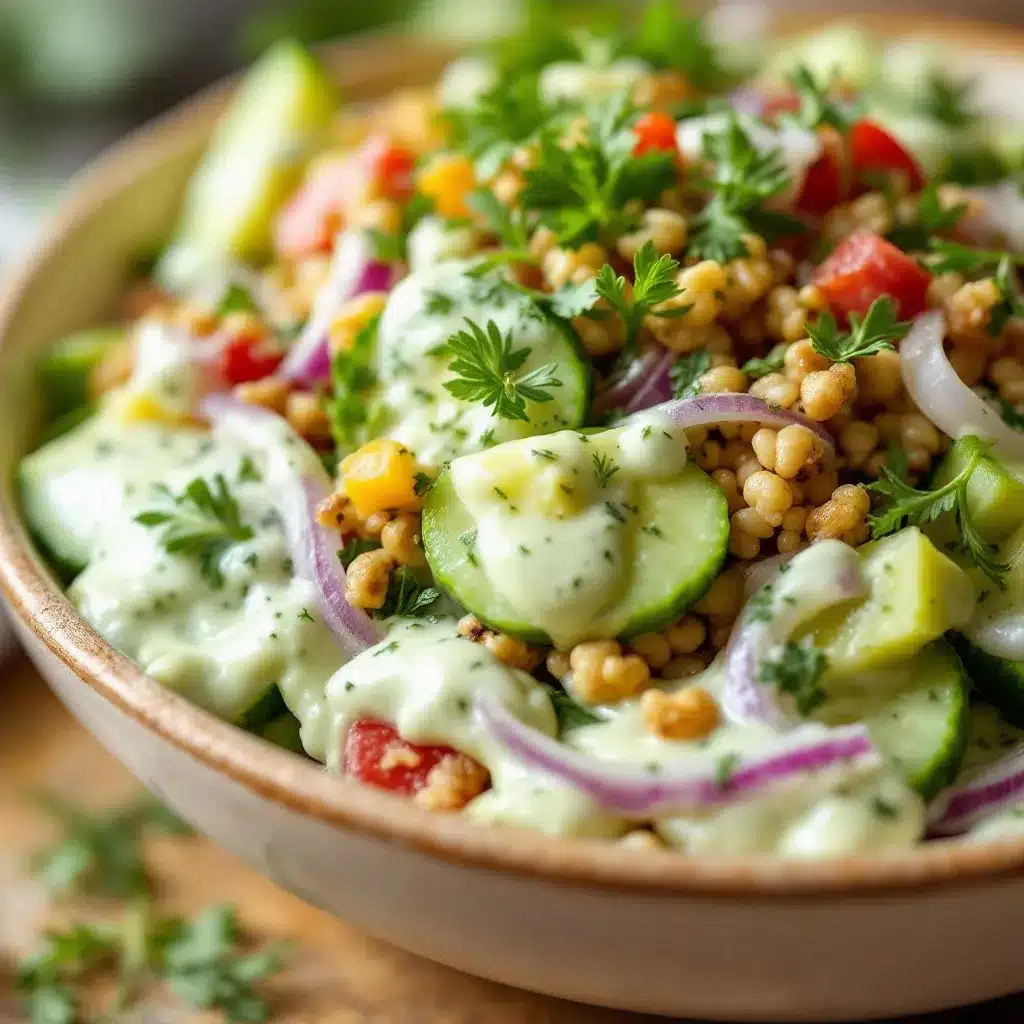
Follow these steps carefully, and you will end up with a salad that stays crisp, creamy, and flavorful for days.
Step 1: Slice the Cucumbers and Onion
Wash the cucumbers thoroughly and pat them dry. Trim off the ends, then slice them into thin rounds, about ⅛-inch thick. I aim for uniform slices so everything marinates evenly. A mandoline slicer makes this faster, but a steady hand with a sharp knife works perfectly.
Peel the red onion and cut it in half through the root end. Slice each half into thin half-rings, about ¼-inch thick. Thin slices soften the onion’s bite without losing its crunch.
Step 2: Salt the Vegetables
Place the sliced cucumbers and onions in a large colander set over a bowl or in the sink. Sprinkle 1 tablespoon of kosher salt over them and toss gently with your hands to distribute. Let them sit for 30 minutes at room temperature.
You will see liquid pooling at the bottom of the colander. That is the excess moisture leaving the vegetables. This step is crucial—skipping it leads to watery dressing and limp cucumbers. I learned this the hard way after making a sad, soggy batch years ago.
Step 3: Rinse and Dry
After 30 minutes, rinse the cucumbers and onions thoroughly under cold running water to remove the excess salt. Shake off as much water as you can, then transfer them to a clean kitchen towel or a layer of paper towels. Pat them dry gently but thoroughly.
Do not skip the drying step. Even a little residual water can thin out your dressing. I press another paper towel on top to absorb any hidden moisture.
Step 4: Make the Dressing
In a small bowl, combine 1 cup sour cream, ¼ cup mayonnaise, 2 tablespoons apple cider vinegar, 1 teaspoon granulated sugar, ½ teaspoon black pepper, and ¼ cup chopped fresh dill. Whisk until smooth and creamy. Taste and adjust seasoning if needed—I sometimes add an extra pinch of salt or a little more vinegar depending on my mood.
The dressing should be thick enough to coat the back of a spoon. If it looks too thick, do not worry. The cucumbers will release a tiny bit of moisture as they sit, which will loosen it slightly.
Step 5: Combine and Chill
Place the dried cucumbers and onions in a large mixing bowl. Pour the dressing over the top and toss gently with a spatula or large spoon until every slice is coated. Be gentle—you do not want to break the cucumber rounds.
Cover the bowl with plastic wrap or transfer to an airtight container. Refrigerate for at least 1 hour before serving. This resting time allows the flavors to meld and the dressing to thicken slightly around the vegetables.
For best results, let it chill for 2 to 3 hours. The salad actually improves overnight, so feel free to make it a day ahead.
Step 6: Serve
Give the salad a gentle stir before serving. Taste and adjust seasoning with a pinch of salt or a squeeze of lemon if needed. Garnish with a few extra sprigs of fresh dill for color.
Serve cold or at room temperature. It pairs beautifully with grilled meats, burgers, or anything from the barbecue. I also love it alongside quick Korean bulgogi ground beef rice bowls for a fresh, crunchy contrast.
Cooking Tips and Techniques
Over the years, I have made every mistake possible with this salad. Here is what I learned so you do not have to repeat my errors.
Salt the cucumbers properly. Do not rush this step. Thirty minutes is the sweet spot. Less time means the cucumbers still release water into the dressing later. More time makes them too soft. Set a timer—I have forgotten and ended up with limp cucumbers more times than I care to admit.
Dry the vegetables thoroughly. After rinsing, I spread the cucumbers and onions on a clean kitchen towel and roll them up gently, pressing just enough to absorb moisture. This extra step makes a noticeable difference in the dressing’s consistency.
Use fresh dill, not dried. Dried dill has a muted, almost hay-like flavor that does not do justice to this salad. Fresh dill is bright and grassy, with a clean finish. If fresh dill is unavailable, try using fresh parsley and mint instead—it is not the same, but it is still delicious.
Let the salad rest. I know it is tempting to eat immediately, but the flavors need time to come together. An hour in the fridge transforms the salad from good to great. The dill infuses the dressing, the onions mellow further, and every slice becomes perfectly coated.
Double the dressing if you like extra. Some people prefer a heavily dressed salad. If that is you, increase the sour cream to 1½ cups and the mayonnaise to ⅓ cup. Keep the vinegar and sugar the same, but add an extra tablespoon of dill.
Serve with a slotted spoon. As the salad sits, some dressing will pool at the bottom of the bowl. A slotted spoon lets you serve the vegetables without drowning them in excess liquid.
Variations and Adaptations
This recipe is forgiving and easy to adapt. Here are some versions I have tried and loved.
Greek-Style Variation
Replace the sour cream with full-fat Greek yogurt and add ½ cup crumbled feta cheese, ¼ cup sliced Kalamata olives, and a pinch of dried oregano. The feta adds a salty, briny kick that pairs beautifully with the dill. This version is lighter but still incredibly creamy.
Vegan-Friendly Version
Substitute the sour cream with a high-quality plant-based sour cream or blended silken tofu. Use vegan mayonnaise or omit it entirely. The dressing will be slightly thinner, so let the salad chill for an extra hour to help it thicken. I have made this for vegan friends, and they always ask for the recipe.
Spicy Kick Version
Add ½ teaspoon red pepper flakes or a finely minced jalapeño (seeds removed) to the dressing. The heat cuts through the creaminess and adds an unexpected layer of flavor. I like this version with grilled fish or spicy crispy Blackstone hibachi shrimp fried rice.
Herb Garden Version
Replace half the dill with equal parts fresh parsley, chives, and mint. The combination of herbs adds complexity and freshness. I grow all three in my garden, so this version happens naturally during summer months.
Low-Fat Version
Use low-fat Greek yogurt instead of sour cream and reduce the mayonnaise to 2 tablespoons. Add 1 tablespoon of milk or water to thin the dressing slightly. The flavor is still good, though the texture is noticeably less luxurious.
Serving and Storage Suggestions
This salad is versatile enough to accompany almost any meal. Here is how I serve and store it.
Serving Suggestions
Serve chilled or at room temperature. I prefer it cold straight from the fridge, especially on hot summer days. It pairs beautifully with grilled meats, barbecue, burgers, hot dogs, or any kind of sandwich. I also love it alongside cozy slow cooker pot roast for a fresh, crunchy contrast to the rich, tender meat.
For a light lunch, serve it on a bed of greens with some grilled chicken or salmon on top. It also works as a topping for tacos or grain bowls. The creamy dressing adds a lovely tangy element to almost any dish.
Storage Instructions
Store leftovers in an airtight container in the refrigerator for up to 4 days. The salad actually tastes better on day two, as the flavors continue to meld. The cucumbers stay surprisingly crisp thanks to the salting step.
Do not freeze this salad. The dairy dressing will separate and become grainy upon thawing, and the cucumbers will turn into a watery mess.
Reheating
This is a cold salad, so reheating is not necessary. If it has been sitting out for a while, just pop it back in the fridge for 15 minutes before serving.
Make-Ahead Tips
This salad is perfect for make-ahead meals. Prepare it up to 24 hours in advance and store it in the refrigerator. Give it a good stir before serving and add a sprinkle of fresh dill on top for color.
If you are bringing it to a potluck or barbecue, transport it in a sealed container and keep it cool in a cooler bag with an ice pack. It holds up well for several hours at room temperature, but I try to keep it chilled as long as possible.
Nutritional Information and Benefits
Here is the approximate nutritional breakdown for one serving (about 1 cup, based on 6 servings):
- Calories: 165
- Total Fat: 14g
- Saturated Fat: 7g
- Cholesterol: 30mg
- Sodium: 420mg
- Total Carbohydrates: 8g
- Dietary Fiber: 1g
- Sugars: 4g
- Protein: 3g
These values are estimates and will vary based on the specific ingredients and brands you use. If you use low-fat Greek yogurt and reduce the mayonnaise, you can cut the calories and fat significantly.
Cucumbers are hydrating and low in calories, making them a great choice for weight management. They contain antioxidants like beta-carotene and flavonoids that help reduce inflammation. Dill is rich in vitamin C and manganese, and it has been used traditionally to aid digestion. Red onions provide quercetin, a powerful antioxidant that supports heart health.
This salad is naturally low-carb, gluten-free, and vegetarian. For a dairy-free version, use plant-based sour cream and vegan mayonnaise. It is also nut-free and egg-free, making it suitable for most dietary restrictions.
Conclusion
This creamy dill cucumber and onion salad is the kind of recipe that earns a permanent spot in your rotation. It is simple enough for a Tuesday night but impressive enough for a holiday table. The ingredients are basic, the technique is forgiving, and the results are consistently delicious.
I love this salad because it reminds me that good food does not have to be complicated. A few fresh ingredients, a little patience with the salting step, and a creamy, tangy dressing are all it takes to create something people genuinely crave. Every time I bring this to a gathering, someone asks for the recipe. And every time, I am happy to share it.
Try it once, and I think you will understand why I have been making it for six years straight. Customize it with your favorite herbs, adjust the tanginess to your liking, or pile it on top of your favorite protein. However you serve it, I hope it becomes a staple in your kitchen too.
Have you tried this recipe? I would love to hear how it turned out for you. Leave a comment below and let me know your favorite way to serve it. And if you made any fun variations, share those too—I am always looking for new ideas!
Frequently Asked Questions
Can I use regular cucumbers instead of English cucumbers?
Yes, you can. Regular garden cucumbers have thicker skins and more seeds, so peel them first and scoop out the seeds with a spoon before slicing. They also release more water, so be extra thorough when salting and drying them.
How long does this salad last in the fridge?
It stays fresh for up to 4 days in an airtight container. The cucumbers remain crisp thanks to the salting step, and the flavors actually improve after a day in the fridge. Just give it a stir before serving.
Can I make this salad dairy-free?
Absolutely. Use a high-quality plant-based sour cream and vegan mayonnaise. Blended silken tofu works well as a sour cream substitute too. The texture will be slightly thinner, so let the salad chill for an extra hour before serving.
Why do I need to salt the cucumbers?
Salting draws out excess moisture from the cucumbers and onions. This prevents the dressing from becoming watery and keeps the vegetables crisp. Skipping this step results in a soggy, diluted salad that does not hold up well.
Can I use dried dill instead of fresh?
Fresh dill is strongly recommended for the best flavor. Dried dill has a milder, slightly musty taste that does not shine as brightly. If you must use dried, start with 1 tablespoon and taste before adding more. The salad will still be good, but it will not be quite as vibrant.
Pin This Recipe!
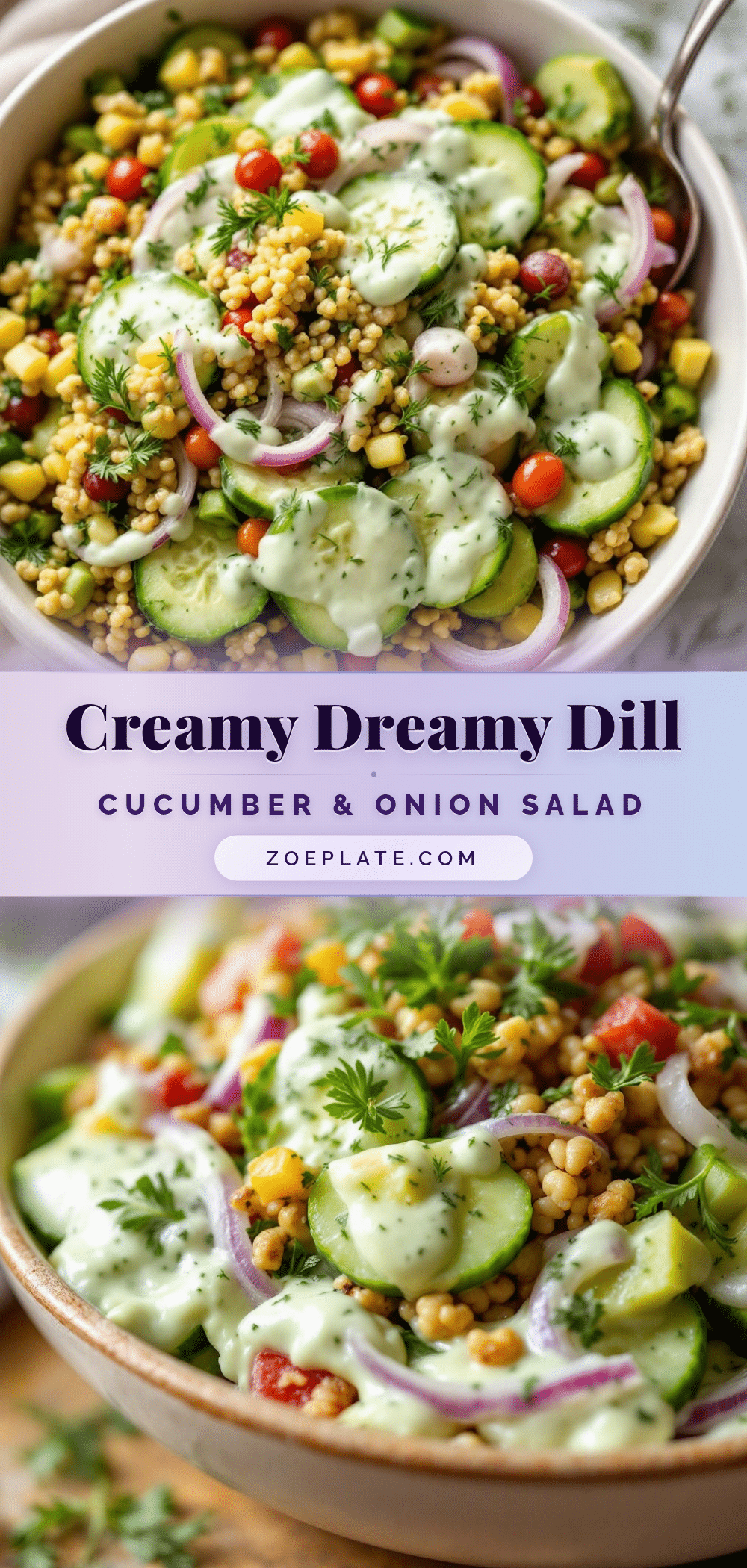
Creamy Dill Cucumber and Onion Salad
This creamy cucumber salad is sharp, creamy, crunchy, and somehow still light. The dressing clings to every slice without drowning it, and the cucumbers stay crisp for days.
- Prep Time: 15 minutes
- Cook Time: 0 minutes
- Total Time: 1 hour 45 minutes (includes chilling time)
- Yield: 6 servings 1x
- Category: Side Dish
- Cuisine: American
Ingredients
- 2 large English cucumbers
- 1 medium red onion
- 1 cup sour cream
- ¼ cup mayonnaise
- 2 tablespoons apple cider vinegar
- ¼ cup fresh dill, chopped
- 1 teaspoon granulated sugar
- 1 teaspoon kosher salt, plus extra for salting cucumbers
- ½ teaspoon freshly ground black pepper
Instructions
- Wash the cucumbers thoroughly and pat them dry. Trim off the ends, then slice them into thin rounds, about ⅛-inch thick. Peel the red onion and cut it in half through the root end. Slice each half into thin half-rings, about ¼-inch thick.
- Place the sliced cucumbers and onions in a large colander set over a bowl or in the sink. Sprinkle 1 tablespoon of kosher salt over them and toss gently with your hands to distribute. Let them sit for 30 minutes at room temperature.
- After 30 minutes, rinse the cucumbers and onions thoroughly under cold running water to remove the excess salt. Shake off as much water as you can, then transfer them to a clean kitchen towel or a layer of paper towels. Pat them dry gently but thoroughly.
- In a small bowl, combine 1 cup sour cream, ¼ cup mayonnaise, 2 tablespoons apple cider vinegar, 1 teaspoon granulated sugar, ½ teaspoon black pepper, and ¼ cup chopped fresh dill. Whisk until smooth and creamy. Taste and adjust seasoning if needed.
- Place the dried cucumbers and onions in a large mixing bowl. Pour the dressing over the top and toss gently with a spatula or large spoon until every slice is coated.
- Cover the bowl with plastic wrap or transfer to an airtight container. Refrigerate for at least 1 hour before serving. For best results, let it chill for 2 to 3 hours.
- Give the salad a gentle stir before serving. Taste and adjust seasoning with a pinch of salt or a squeeze of lemon if needed. Garnish with a few extra sprigs of fresh dill for color. Serve cold or at room temperature.
Notes
Salting the cucumbers is crucial to prevent a watery dressing. Do not skip the 30-minute salting step. Fresh dill is strongly recommended over dried for the best flavor. The salad actually tastes better the next day as flavors meld. For a dairy-free version, use plant-based sour cream and vegan mayonnaise.
Nutrition
- Serving Size: 1 cup
- Calories: 165
- Sugar: 4
- Sodium: 420
- Fat: 14
- Saturated Fat: 7
- Carbohydrates: 8
- Fiber: 1
- Protein: 3
Keywords: creamy cucumber salad, dill cucumber salad, cucumber onion salad, easy cucumber salad, summer salad, potluck salad