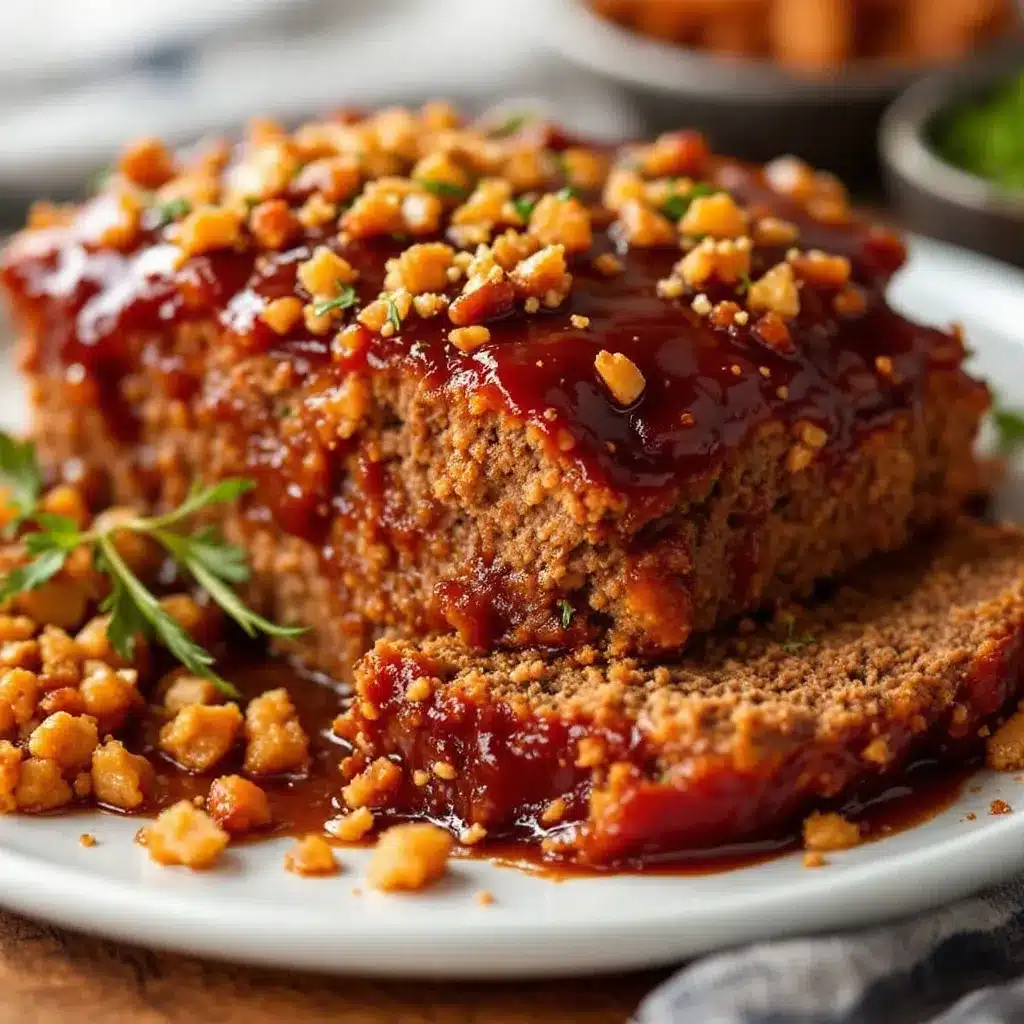
Fourth time in three weeks, and this time I didn’t even bother pretending I was making it for anyone else. The loaf pan sat on the counter with a smear of ketchup still crusted on the rim from the night before and I just—rinsed it and started again. That’s the kind of hold this brown sugar glazed meatloaf has on me. It started as a Tuesday night scramble, ground beef thawed under running water, a bottle of ketchup wobbling in the fridge door. I threw a handful of brown sugar into the glaze without thinking, something my grandmother used to do with ham, and the whole thing just clicked. The sugar caramelized into this sticky, almost crackly shell while the inside stayed tender and juicy. Not dry. Not crumbly. Actually good. And I’m not someone who grew up loving meatloaf. Honestly, I thought it was the sadd thing on a dinner plate—ketchup from a squirt bottle, dry edges, that weird gray color inside. But this version? It’s the one that made me text my sister a photo at 9 p.m. with the caption “I think I finally cracked it.” She didn’t reply. She just showed up the next day with a loaf pan of her own. That’s when I knew this recipe was sticking around.
Why You’ll Love This Recipe
Let me tell you why this meatloaf is different from the one your mom made on a Tuesday night in 1998. I’ve tested this recipe about a dozen times now, tweaking the ratio of meat to binder, adjusting the glaze thickness, even trying different pan sizes to get that perfect edge-to-center ratio. This is the version I’d serve to someone who says they don’t like meatloaf.
- Sweet and Savory Glaze : The brown sugar caramelizes into a sticky, tangy-sweet crust that locks in moisture. It’s not just a topping—it’s the star.
- Juicy, Not Dry : A mix of breadcrumbs soaked in milk keeps every slice tender. No more crumbly, sawdust-texture meatloaf.
- Simple Pantry Ingredients : You probably have everything already. Ketchup, brown sugar, Worcestershire, onions, garlic—no fancy trips needed.
- Family-Approved and Kid-Friendly : My nephew, who once declared he “doesn’t eat anything brown,” asked for seconds. That’s the kind of win this is.
- Great for Leftovers : Cold meatloaf sandwiches the next day are almost better than the original. Almost.
This isn’t just another recipe you’ll bookmark and forget. It’s the one you’ll make when you need a comforting dinner that feels like a hug. It’s the one that makes the whole house smell like Sunday evening, even if it’s a frantic Wednesday. And honestly? It’s the kind of meal that makes you close your eyes after the first bite and just breathe for a second.
What Ingredients You Will Need
This recipe keeps things simple. You don’t need a specialty butcher or a trip to three different stores. Most of these are staples you probably already have hanging out in your pantry or fridge. A few notes on what to look for will make sure your meatloaf turns out perfect every time.
For the Meatloaf:
- Ground beef (2 lbs / 900g) — I use 80/20 for the best balance of flavor and moisture. Leaner blends (like 93/7) tend to dry out. If you want to swap half for ground pork or ground turkey, that works too, just know the texture will be slightly different.
- Yellow onion (1 medium, finely diced, about 1 cup) — Sauté it first! Raw onion releases water as it cooks and can make the meatloaf soggy. A quick 3-minute sweat in a skillet changes everything.
- Garlic (3 cloves, minced) — Fresh is best here. The jarred stuff works in a pinch, but you’ll miss that punchy aroma.
- Breadcrumbs (1 cup / 120g) — Plain or Italian-style both work. Panko gives a lighter texture, while traditional breadcrumbs make it denser. I’ve used crushed saltines in a pinch—just reduce the salt slightly.
- Whole milk (½ cup / 120ml) — This soaks into the breadcrumbs and keeps the meatloaf tender. No milk? Use buttermilk or even chicken broth.
- Large eggs (2) — They bind everything together. Let them come to room temperature for 10 minutes if you can.
- Worcestershire sauce (2 tablespoons) — Adds that deep, savory umami kick. I prefer Lea & Perrins for the tangy complexity.
- Ketchup (¼ cup / 60ml) — For the meat mixture itself. Adds moisture and a subtle sweetness.
- Dijon mustard (1 tablespoon) — Cuts through the richness. Yellow mustard works too, but Dijon has a nicer sharpness.
- Fresh parsley (2 tablespoons, chopped) — Optional, but it brightens the whole thing up.
- Salt (1½ teaspoons) and black pepper (1 teaspoon) — Don’t skimp. Season the meat mixture generously.
For the Brown Sugar Glaze:
- Ketchup (¾ cup / 180ml) — The base of the glaze. Use a brand you like the taste of since it’s front and center.
- Brown sugar (⅓ cup / 70g, packed) — Light or dark brown sugar both work. Dark brown sugar gives a deeper, almost molasses-like flavor. I personally love dark brown for the extra caramelization.
- Apple cider vinegar (1 tablespoon) — Balances the sweetness. White vinegar or lemon juice can substitute.
- Worcestershire sauce (1 teaspoon) — Adds another layer of savory depth.
- Garlic powder (½ teaspoon) — Not the same as fresh, but it dissolves perfectly into the glaze.
Equipment Needed
You don’t need a fancy kitchen to nail this recipe. Here’s what you’ll need:
- 9×5-inch loaf pan — The classic size. If you only have an 8×4, just pack the meatloaf a little higher and expect a slightly longer bake time.
- Large mixing bowl — Big enough to get your hands in there. Mixing with your hands is the best way to combine everything evenly without overworking the meat.
- Small skillet — For sautéing the onion and garlic. A nonstick or stainless steel works fine.
- Small saucepan or microwave-safe bowl — For making the glaze. I usually just whisk it together in a bowl and microwave for 30 seconds.
- Baking sheet or foil-lined pan — Place the loaf pan on a baking sheet to catch any glaze that bubbles over. Trust me on this one.
- Meat thermometer — Not optional. A digital instant-read thermometer is the only way to guarantee your meatloaf is cooked through without drying it out. I’ve ruined enough meatloaves guessing by sight alone.
- Parchment paper or aluminum foil — For easy cleanup. You’ll thank yourself later.
If you don’t have a loaf pan, you can shape the meatloaf free-form on a parchment-lined baking sheet. It’ll cook a little faster and develop more caramelized edges. Just shape it into a rough loaf shape about the same size as a loaf pan.
Preparation Method
Let’s get cooking. I’ll walk you through every step so you feel confident, even if it’s your first time making meatloaf from scratch.
- Preheat your oven to 350°F (175°C). Position the rack in the center of the oven. Lightly grease your loaf pan with a thin layer of oil or nonstick spray.
- Sauté the aromatics. Heat 1 tablespoon of olive oil in a small skillet over medium heat. Add the diced onion and cook for 3-4 minutes until translucent. Add the minced garlic and cook for 30 seconds more—just until fragrant. Don’t let the garlic brown or it’ll turn bitter. Remove from heat and let it cool for a few minutes.
- Make the brown sugar glaze. In a small saucepan or microwave-safe bowl, whisk together ¾ cup ketchup, ⅓ cup packed brown sugar, 1 tablespoon apple cider vinegar, 1 teaspoon Worcestershire sauce, and ½ teaspoon garlic powder. Warm it gently until the sugar dissolves—about 30 seconds in the microwave or 2 minutes on the stove. Set aside.
- Prepare the breadcrumb mixture. In a large mixing bowl, combine 1 cup of breadcrumbs with ½ cup of whole milk. Let it sit for 5 minutes. This is called a panade, and it’s the secret to a tender, not-dry meatloaf. The breadcrumbs absorb the milk and create a soft paste that keeps the meat moist as it cooks.
- Mix the meatloaf base. To the breadcrumb mixture, add the sautéed onions and garlic, 2 large eggs (lightly beaten), 2 tablespoons Worcestershire sauce, ¼ cup ketchup, 1 tablespoon Dijon mustard, 1½ teaspoons salt, 1 teaspoon black pepper, and 2 tablespoons chopped fresh parsley. Stir everything together until it’s a uniform, paste-like mixture.
- Add the ground beef. Add 2 lbs of ground beef to the bowl. Using your hands (I promise, it’s the best tool here), gently mix everything together. Don’t squeeze or overwork the meat—just fold and combine until you don’t see any streaks of breadcrumb mixture. Overmixing makes meatloaf tough and dense.
- Shape and pack the meatloaf. Transfer the meat mixture into your prepared loaf pan. Press it down gently to eliminate air pockets, but don’t pack it too tightly. Shape the top into a slight dome—it’ll flatten as it bakes. If you’re using a free-form method, shape it into a loaf on a parchment-lined baking sheet.
- Apply the first layer of glaze. Spoon about ⅓ of the brown sugar glaze over the top of the meatloaf. Spread it evenly with the back of the spoon. Reserve the remaining glaze for later.
- Bake for 45 minutes. Place the loaf pan on a baking sheet (to catch drips) and bake uncovered for 45 minutes. At this point, the meatloaf should be mostly cooked through but not quite done.
- Apply the second layer of glaze. Remove the meatloaf from the oven and spoon another ⅓ of the glaze over the top. Spread it evenly. Return to the oven and bake for another 15 minutes.
- Check for doneness. The internal temperature should read 160°F (71°C) when inserted into the center of the meatloaf. If it’s not there yet, bake for another 5-10 minutes and check again. Don’t skip this step—it’s the only reliable way to know your meatloaf is safe to eat without being overcooked.
- Rest before slicing. Remove the meatloaf from the oven and let it rest in the pan for 10 minutes. This is crucial. The juices need time to redistribute throughout the loaf. If you slice it immediately, it’ll fall apart and the juices will run out onto the cutting board.
- Slice and serve. After resting, carefully transfer the meatloaf to a cutting board. Slice into 1-inch thick pieces. Drizzle the remaining glaze over each slice, or serve it on the side for dipping.
Cooking Tips & Techniques
I’ve made enough meatloaf to fill a small freezer, and I’ve learned a few things the hard way. Here are the tips I wish someone had told me from the start.
Don’t skip the panade. That mixture of breadcrumbs and milk? It’s not optional. It’s the difference between a meatloaf that holds together and one that crumbles into sad little pieces on your plate. I once tried to save time by skipping it and ended up with something that resembled a giant, dry burger patty. Never again.
Use a meat thermometer, not your eyes. I know, I know, it feels like one more thing to wash. But the window between perfectly cooked and overcooked meatloaf is about 5 degrees. Without a thermometer, you’re guessing. And guessing is how you end up with dry meatloaf. I like a digital instant-read thermometer—it gives you a reading in 2 seconds flat.
Let the meatloaf rest. This is the hardest step to wait through because your kitchen smells incredible and everyone is hungry. But trust me. If you slice into it right away, the juices will flood out and you’ll be left with a dry, crumbly mess. Ten minutes. Set a timer if you have to.
Line your pan with parchment paper. This is a game-changer for cleanup. Cut two strips of parchment paper long enough to hang over the sides of the loaf pan. After the meatloaf rests, you can lift it right out using the parchment “handles.” No scraping, no soaking, no scrubbing.
Make extra glaze. The recipe makes just enough for one loaf, but I always double it. The extra is perfect for drizzling over leftovers or serving on the side for anyone who wants extra sweetness. Plus, it keeps in the fridge for up to a week.
Watch for carryover cooking. The internal temperature will rise about 5 degrees after you pull the meatloaf out of the oven. So if you’re aiming for 160°F, pull it at 155°F. This little trick has saved me from countless dry meatloaves.
Variations & Adaptations
This recipe is a great starting point, but don’t be afraid to make it your own. Here are some variations I’ve tried and loved.
Turkey Meatloaf: Swap the ground beef for ground turkey (93/7 works best). Add 2 tablespoons of olive oil to the mixture since turkey is leaner and needs the extra moisture. Bake time stays about the same, but check the temperature at 55 minutes.
Gluten-Free Version: Use gluten-free breadcrumbs or crushed gluten-free crackers (I like Schar brand). Make sure your Worcestershire sauce is gluten-free—Lea & Perrins is, but some generic brands aren’t. Everything else is naturally gluten-free.
Cheesy Stuffed Meatloaf: Flatten the meat mixture into a rectangle on a piece of parchment paper. Spread 1 cup of shredded cheddar or mozzarella in the center, then roll it up like a log. Pinch the seams closed and bake as directed. The cheese melts into the center and creates a gooey, surprise filling.
Spicy Kick: Add 1-2 tablespoons of sriracha or your favorite hot sauce to the meat mixture, and stir a pinch of cayenne pepper into the glaze. It balances beautifully with the sweetness of the brown sugar.
BBQ Twist: Replace the ketchup in the glaze with your favorite barbecue sauce. I’ve used a smoky chipotle BBQ sauce and it was incredible. The brown sugar stays the same, but the overall flavor shifts from sweet-and-tangy to sweet-and-smoky.
Mini Meatloaves: Divide the mixture into 6-8 muffin tins (greased or lined). Bake at 375°F for 20-25 minutes, or until the internal temperature hits 160°F. These are perfect for meal prep or for kids who love individual portions.
If you’re looking for other comforting dinner ideas, you might enjoy my Cheesy Ground Turkey Stuffed Bell Peppers or the Cozy Slow Cooker Pot Roast—both are perfect for those nights when you need something hearty and satisfying.
Serving & Storage Suggestions
This meatloaf is incredibly versatile when it comes to serving. Here’s how I like to do it.
Serving Temperature: Serve warm, right after the 10-minute rest. The glaze should be glossy and slightly sticky. If it’s cooled down too much, pop individual slices in a warm skillet for 30 seconds per side to revive the caramelized crust.
What to Serve With It: Classic sides are the way to go. Mashed potatoes (creamy or garlicky), roasted green beans, or a simple side salad with a tangy vinaigrette to cut through the richness. I also love it with Crispy Garlic Parmesan Smashed Potatoes—the crunch is a perfect contrast to the tender meatloaf. For a lighter option, try a Fresh Creamy Cucumber Dill Greek Yogurt Salad on the side.
Storage: Leftover meatloaf keeps in an airtight container in the refrigerator for up to 4 days. The glaze will soften a bit, but the flavor gets even better as it sits. I actually love cold meatloaf sandwiches the next day—just slice it, put it on bread with a smear of mayo and some pickles, and you’re set.
Freezing: You can freeze the whole cooked meatloaf or individual slices. Wrap tightly in plastic wrap, then aluminum foil, and freeze for up to 3 months. To reheat, thaw overnight in the fridge, then warm slices in a 350°F oven for 10-15 minutes. The glaze might lose a little shine, but the flavor stays intact.
Reheating: The best way to reheat is in a skillet over medium-low heat with a splash of water or beef broth. Cover the skillet and let it steam for 3-4 minutes. This keeps the meatloaf moist without drying it out. The microwave works in a pinch, but it tends to make the edges tough.
Flavor Development: Honestly, this meatloaf tastes even better the next day. The flavors meld together overnight, and the glaze seeps into the outer edges just enough to make every bite perfectly seasoned. If you can, make it a day ahead and reheat it for dinner. You won’t regret it.
Nutritional Information & Benefits
Here’s a rough breakdown per serving (based on 8 servings, using 80/20 ground beef):
- Calories: ~420 kcal
- Protein: 28g
- Fat: 24g
- Carbohydrates: 22g
- Fiber: 1g
- Sugar: 14g
- Sodium: 780mg
Health Benefits: Ground beef is an excellent source of iron, zinc, and B vitamins—particularly B12, which is essential for energy and brain function. The onions and garlic provide antioxidants and anti-inflammatory compounds. While this isn’t a “light” recipe, it’s a balanced meal when paired with vegetables and a sensible portion size.
Dietary Considerations: This recipe contains gluten (from breadcrumbs) and dairy (from milk). For a gluten-free version, use gluten-free breadcrumbs. For a dairy-free version, substitute the milk with unsweetened almond milk or chicken broth. The glaze is naturally dairy-free and gluten-free (check your Worcestershire sauce).
Potential Allergens: Eggs, dairy (milk), gluten (breadcrumbs), and mustard. Always check labels if cooking for someone with allergies.
Conclusion
This brown sugar glazed meatloaf is the kind of recipe that earns a permanent spot in your dinner rotation. It’s simple enough for a Tuesday night but impressive enough to serve when company comes over. The glaze caramelizes into this sticky, sweet-savory crust that makes every slice feel special, and the inside stays tender and juicy every single time. I’ve made this for picky kids, skeptical in-laws, and friends who swore they didn’t like meatloaf—and every single one of them asked for the recipe. That’s the kind of win that makes all those test batches worth it.
I’d love to hear how it turns out for you. Did you try any of the variations? Add your own twist? Leave a comment below and let me know—I read every single one. And if you share a photo on Pinterest or Instagram, tag me so I can see your beautiful creation. Happy cooking, friend. You’ve got this.
Frequently Asked Questions
Can I make this meatloaf ahead of time?
Absolutely. You can assemble the meatloaf (without the glaze) up to 24 hours in advance. Cover it tightly with plastic wrap and refrigerate. When you’re ready to bake, add the glaze and follow the baking instructions—just add about 10 minutes to the total time since you’re starting from cold.
Why did my meatloaf fall apart when I sliced it?
This usually happens for one of two reasons: either you didn’t let it rest long enough after baking, or the mixture was too wet. Make sure you let it rest for a full 10 minutes before slicing. If it’s still crumbly, next time try adding an extra tablespoon of breadcrumbs to the mixture.
Can I use ground pork or ground turkey instead of beef?
Yes! Ground pork adds extra richness and moisture—try a 50/50 mix of beef and pork. Ground turkey works too, but since it’s leaner, add 2 tablespoons of olive oil to the mixture to prevent dryness. The baking time stays roughly the same, but always use a meat thermometer to check for doneness.
How do I prevent the glaze from burning?
The brown sugar in the glaze can burn if it’s exposed to direct heat for too long. That’s why I add it in two layers—one at the start and one halfway through. If you notice the top getting too dark before the meatloaf is fully cooked, tent a piece of aluminum foil loosely over the top for the last 15 minutes of baking.
Can I double this recipe?
Definitely. Double all the ingredients and bake in two separate loaf pans. Don’t try to bake one giant meatloaf in a larger pan—it won’t cook evenly. Two loaves bake at the same temperature and time as one. You can freeze one for later (baked or unbaked) and enjoy the other right away.
Pin This Recipe!
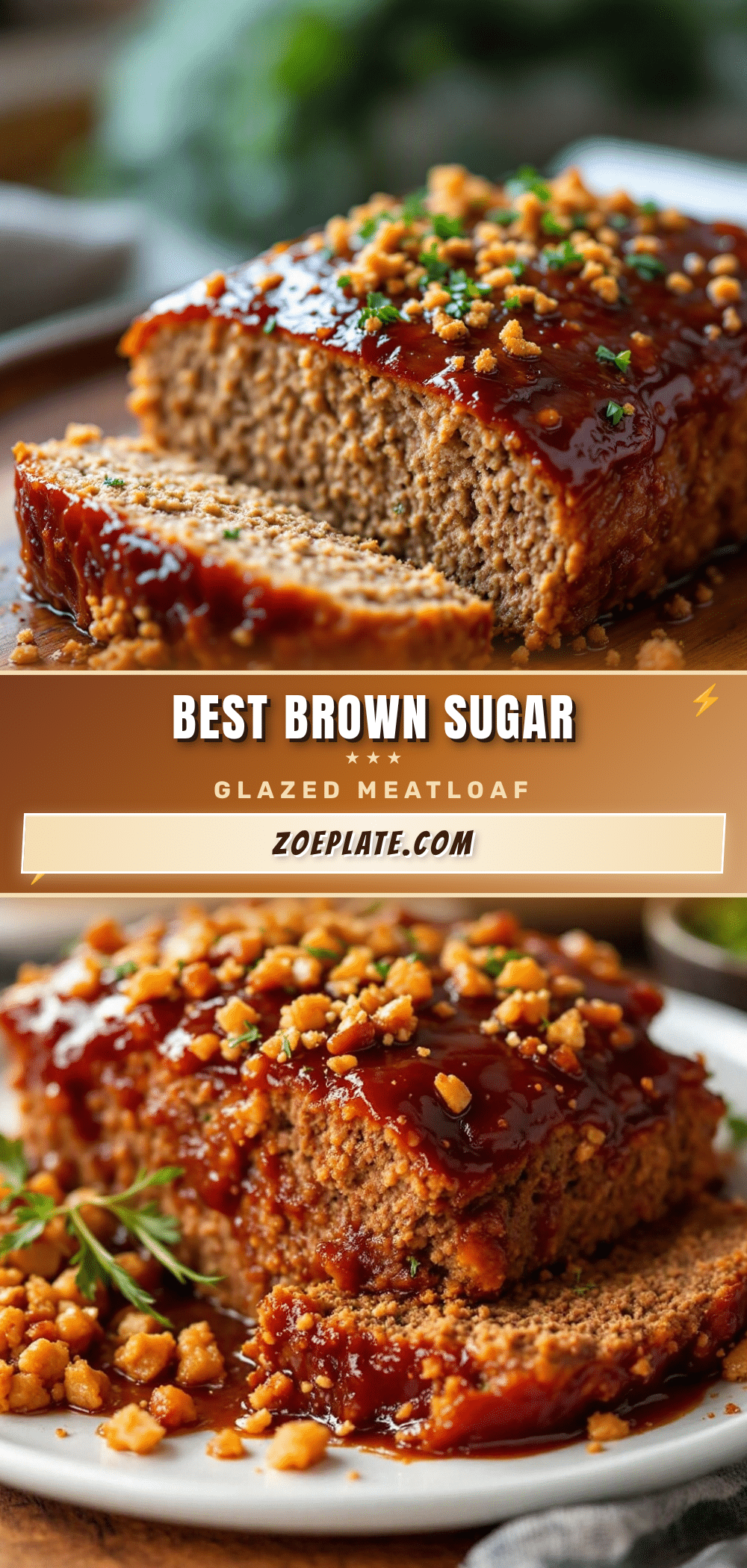
Best Brown Sugar Glazed Meatloaf: Easy Homemade Recipe
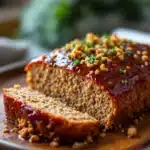
This brown sugar glazed meatloaf is tender, juicy, and topped with a sticky-sweet caramelized glaze. It’s a simple, family-friendly dinner that turns skeptics into believers.
- Prep Time: 15 minutes
- Cook Time: 60 minutes
- Total Time: 1 hour 15 minutes
- Yield: 8 servings 1x
- Category: Main Course
- Cuisine: American
Ingredients
- 2 lbs (900g) ground beef (80/20)
- 1 medium yellow onion, finely diced (about 1 cup)
- 3 cloves garlic, minced
- 1 cup (120g) breadcrumbs (plain or Italian-style)
- ½ cup (120ml) whole milk
- 2 large eggs, lightly beaten
- 2 tablespoons Worcestershire sauce
- ¼ cup (60ml) ketchup
- 1 tablespoon Dijon mustard
- 2 tablespoons fresh parsley, chopped
- 1½ teaspoons salt
- 1 teaspoon black pepper
- ¾ cup (180ml) ketchup (for glaze)
- ⅓ cup (70g) packed brown sugar (light or dark)
- 1 tablespoon apple cider vinegar
- 1 teaspoon Worcestershire sauce (for glaze)
- ½ teaspoon garlic powder
Instructions
- Preheat oven to 350°F (175°C). Lightly grease a 9×5-inch loaf pan.
- Heat 1 tablespoon olive oil in a small skillet over medium heat. Sauté diced onion for 3-4 minutes until translucent. Add minced garlic and cook 30 seconds until fragrant. Remove from heat and let cool.
- In a small saucepan or microwave-safe bowl, whisk together ¾ cup ketchup, ⅓ cup brown sugar, 1 tablespoon apple cider vinegar, 1 teaspoon Worcestershire sauce, and ½ teaspoon garlic powder. Warm until sugar dissolves (about 30 seconds in microwave or 2 minutes on stove). Set aside.
- In a large mixing bowl, combine 1 cup breadcrumbs with ½ cup milk. Let sit for 5 minutes to form a panade.
- To the breadcrumb mixture, add sautéed onions and garlic, 2 beaten eggs, 2 tablespoons Worcestershire sauce, ¼ cup ketchup, 1 tablespoon Dijon mustard, 1½ teaspoons salt, 1 teaspoon black pepper, and 2 tablespoons parsley. Stir until uniform.
- Add 2 lbs ground beef to the bowl. Using your hands, gently mix until just combined—do not overwork.
- Transfer meat mixture to prepared loaf pan. Press gently to eliminate air pockets and shape into a slight dome.
- Spoon about ⅓ of the glaze over the top and spread evenly.
- Place loaf pan on a baking sheet and bake uncovered for 45 minutes.
- Remove from oven, spoon another ⅓ of the glaze over the top, and bake for another 15 minutes.
- Check internal temperature—should reach 160°F (71°C). If not, bake 5-10 minutes more.
- Let meatloaf rest in pan for 10 minutes before slicing.
- Slice into 1-inch thick pieces. Drizzle remaining glaze over slices or serve on the side.
Notes
Don’t skip the panade (breadcrumb-milk mixture)—it keeps the meatloaf tender. Use a meat thermometer for perfect doneness. Let the meatloaf rest 10 minutes before slicing to retain juices. Line the pan with parchment paper for easy cleanup. The glaze can be doubled for extra.
Nutrition
- Serving Size: 1 slice (1/8 of reci
- Calories: 420
- Sugar: 14
- Sodium: 780
- Fat: 24
- Saturated Fat: 9
- Carbohydrates: 22
- Fiber: 1
- Protein: 28
Keywords: brown sugar glazed meatloaf, easy meatloaf recipe, homemade meatloaf, comfort food, family dinner