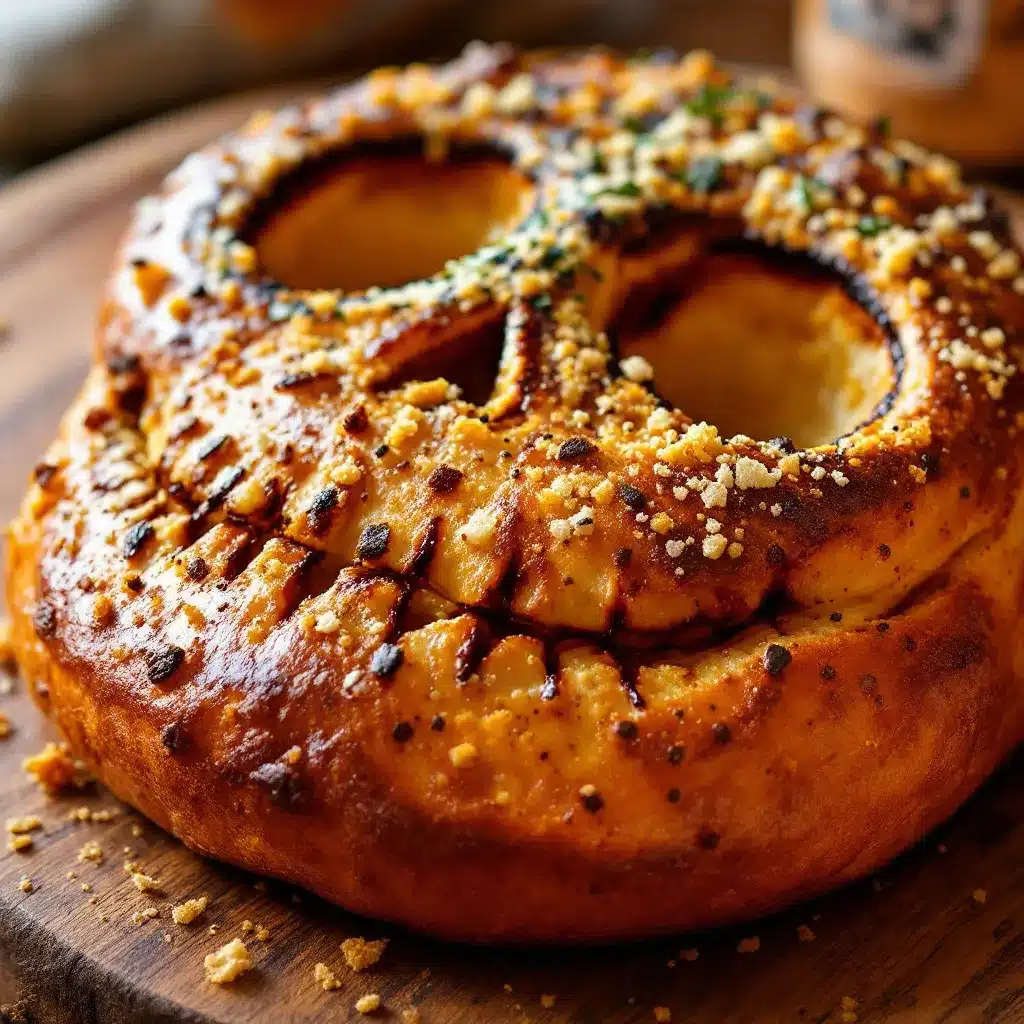
The oven timer buzzed, and the smell of orange zest hit me before I even opened the door. It was that specific, heavy scent of anise and warm yeast that instantly transports you back to October in Mexico City. I pulled the rack out, and there it was: a golden, bone-shaped loaf that looked less like bread and more like a tiny, edible sculpture. My abuela used to make these, but honestly, her version was a bit dense. I wanted something lighter, fluffier, but with that same soulful punch of flavor. The first bite I took yesterday? My husband didn’t even speak. He just closed his eyes, chewed slowly, and nodded. That’s the kind of reaction you chase in the kitchen. Not applause, just quiet, satisfied silence.
Making Classic Mexican Pan de Muerto isn’t just about baking bread; it’s about keeping a tradition alive in a modern kitchen. It’s a ritual. You knead the dough, you shape the bones, and you wait. The waiting is the hard part. But when you finally dust it with sugar and break it open, the steam carries the history of Dia de los Muertos right into your living room. It’s sweet, it’s spiced, and it feels like a hug from someone you’ve lost. I’ve tested this recipe dozens of times, tweaking the butter ratios and the orange juice balance, to get that perfect tender crumb. It’s not hard, but it does require patience. And you know what? That’s part of the charm. Let’s get baking.
Why You’ll Love This Recipe
There is a reason this bread has survived centuries of changing food trends. It sits somewhere between a sweet roll, a brioche, and a spiced cookie. Here is why this specific version of Classic Mexican Pan de Muerto is worth your weekend time:
- Quick & Easy: While it needs rising time, the active hands-on time is under 45 minutes. You don’t need to be a professional baker to pull this off.
- Simple Ingredients: You likely have most of this in your pantry. Flour, yeast, butter, sugar, eggs, and that crucial orange blossom water or zest. No weird specialty stores required.
- Perfect for Holidays: Whether it’s Dia de los Muertos, Halloween, or just a cozy autumn morning, this bread fits the mood perfectly.
- Crowd-Pleaser: The aroma alone will draw people into the kitchen. Kids love the bone shapes, and adults love the subtle anise flavor.
- Unbelievably Delicious: The texture is airy yet substantial. It soaks up coffee or hot chocolate like a dream without falling apart.
What makes this recipe stand out is the balance of flavors. Many store-bought versions are overly sweet or taste like pure vanilla. This version uses real orange zest and a hint of anise to cut through the richness of the butter. It’s complex but familiar. It’s the kind of bread that makes you stop scrolling on your phone and actually taste your food. I’ve served this alongside easy mummy jalapeno popper pinwheels for spooky parties, and the sweet-savory contrast is always a hit. It’s comfort food that feels festive but never fussy.
What Ingredients You Will Need
This recipe relies on high-quality basics. Because the flavor profile is delicate, cheap ingredients will show up quickly. Here is what you need to gather, grouped by how they function in the dough.
For the Dough
- All-purpose flour: 3 ½ to 4 cups (450-500g). I use King Arthur Brand for its consistent protein content. You want a flour that can handle the hydration without becoming gummy.
- Granulated sugar: ½ cup (100g). This feeds the yeast and adds sweetness. Don’t skip it; it helps with browning too.
- Active dry yeast: 2 packets (about 2 ¼ tsp). You can use instant yeast, but active dry needs that warm milk bath to wake up.
- Warm milk: 1 cup (240ml). Make sure it’s between 105°F and 110°F. Too hot, and you kill the yeast; too cold, and it won’t rise.
- Unsalted butter: ½ cup (115g), softened. Room temperature butter mixes easier and creates a smoother dough. Salted butter works in a pinch, just reduce added salt if using.
- Eggs: 2 large eggs, room temperature. One goes in the dough, one is for the egg wash. Room temp eggs emulsify better.
- Orange zest: From 1 large navel orange. This is non-negotiable. The oils in the peel provide the bright top note.
- Orange juice: ¼ cup (60ml) fresh squeezed. Bottled juice often has preservatives that can affect the rise.
- Anise seeds: 1 teaspoon, lightly crushed. If you don’t like anise, you can skip it, but it’s traditional. Alternatively, use a pinch of cardamom.
- Salt: 1 teaspoon. Essential for balancing the sweet.
For the Topping
- Butter: 2 tablespoons, melted. For brushing right after baking.
- Granulated sugar: ½ cup (100g). For rolling the bread.
Pro tip: If you can find agua de azahara (orange blossom water), add a teaspoon. It adds that authentic bakery smell, but use sparingly as it is potent. Also, ensure your eggs and butter are truly room temperature. Cold ingredients can shock the yeast and stall your rise, which is frustrating when you’re waiting hours for bread.
Equipment Needed
You don’t need a fancy kitchen to make this, but a few tools make life easier. A large mixing bowl is essential, preferably glass or stainless steel so you can see the dough developing. A wooden spoon or a sturdy silicone spatula works for mixing, but if you have a stand mixer with a dough hook, use it. It saves your arms. You’ll need a baking sheet lined with parchment paper. Parchment is better than silicone mats here because the sugar topping can melt and stick to silicone. A pastry brush is needed for the egg wash and the butter glaze. A fine-mesh grater or zester is best for getting that orange zest without the bitter white pith. Finally, a kitchen thermometer is helpful for the milk, though you can test it with your finger—it should feel like a warm bath, not hot.
Preparation Method
Let’s walk through the steps to get your Classic Mexican Pan de Muerto from flour to finished loaf. Take your time with the rising stages; that’s where the magic happens.
- Activate the Yeast (5 minutes): In a small bowl, combine the warm milk, 1 tablespoon of sugar, and the yeast. Stir gently and let it sit for 5-10 minutes until it becomes foamy. If it doesn’t foam, your yeast is dead. Start over. This is the most common failure point.
- Mix Dry Ingredients (2 minutes): In a large bowl, whisk together the flour, remaining sugar, crushed anise seeds, and salt. Make a well in the center.
- Combine Wet and Dry (5 minutes): Add the foamy yeast mixture, the egg, orange zest, and orange juice to the well. Stir with a wooden spoon until a shaggy dough forms. It will look messy. That’s okay.
- Knead the Dough (10-15 minutes): Turn the dough onto a floured surface. Knead by hand, pushing away with the heel of your hand, folding it back, and turning. Add flour sparingly if it’s too sticky, but aim for a soft, slightly tacky dough. If using a mixer, use medium-low speed for 5-7 minutes. The dough is ready when it springs back when poked.
- First Rise (1-2 hours): Place the dough in a lightly oiled bowl, cover with a damp towel or plastic wrap, and let it rise in a warm spot until doubled in size. This usually takes about 1.5 hours. Patience is key here.
- Shape the Bread (15 minutes): Punch down the dough gently. Divide it into two equal halves. Take one half and roll it into a long log for the main body. Cut the other half into four small pieces. Roll two small pieces into thin “bones” and place them across the top of the main log. Roll the remaining two pieces into crosses and place them on top, perpendicular to the bones. Pinch the ends to secure. Repeat for the second loaf. Place on your parchment-lined baking sheet.
- Second Rise (45-60 minutes): Cover the shaped loaves again and let them rise until puffy. They don’t need to double, just look noticeably bigger. Preheat your oven to 350°F (175°C) during the last 20 minutes of this rise.
- Egg Wash & Bake (25-30 minutes): Whisk the remaining egg with a teaspoon of water. Gently brush the loaves. Bake for 25-30 minutes until golden brown. If the tops brown too quickly, cover loosely with foil.
- Glaze (2 minutes): While the bread bakes, melt the 2 tablespoons of butter. As soon as the loaves come out of the oven, brush them generously with the melted butter. Then, roll them in the remaining sugar. Do this while they are hot so the sugar sticks.
Cooking Tips & Techniques
I’ve made a lot of mistakes with bread over the years, so here is how to avoid them. The biggest issue is over-flouring. It’s tempting to add more flour when the dough sticks to your hands, but this makes dense bread. Instead, wet your hands slightly with water or oil to handle the dough. This keeps the hydration high and the texture soft. Another tip: don’t rush the second rise. Many people bake the bread when it looks ready, but it needs that final puff to ensure the inside is cooked through and airy. If you bake it too early, you’ll get gummy centers. Also, keep an eye on your oven temperature. Every oven runs differently. If your loaves are browning too fast on top but raw inside, tent them with foil. For the shaping, don’t worry about perfection. The “bones” don’t need to be symmetrical. In fact, slightly irregular shapes feel more handmade and authentic. When you punch down the dough after the first rise, do it gently. You want to release the large gas bubbles, but you don’t want to deflate the structure completely. A firm press is enough.
Variations & Adaptations
While the classic version is best, there are fun ways to tweak this Classic Mexican Pan de Muerto. For a gluten-free option, you can use a 1:1 gluten-free flour blend that contains xanthan gum. The texture will be slightly different, more like a cake, but it still tastes great. If you want to reduce sugar, cut the sugar in the dough by half, though the yeast might rise slightly slower. For a richer flavor, swap ¼ cup of the milk for heavy cream. You can also add ½ cup of raisins to the dough before the first rise for a chewy contrast, which is traditional in some regions. If you don’t have anise, try adding a teaspoon of vanilla extract or a pinch of cinnamon. For a savory twist, you could skip the sugar glaze and brush with olive oil and sea salt, turning it into a festive dinner roll. I once tried adding orange marmalade to the center before shaping, which created a lovely jammy surprise inside. It’s a bit messy, but delicious.
Serving & Storage Suggestions
This bread is best served slightly warm, torn by hand. It pairs beautifully with hot chocolate, café de olla (spiced coffee), or even a glass of milk. For a festive spread, serve it alongside easy spider web veggie tray with ranch dip for a Halloween party. The sweet bread contrasts nicely with salty, savory dips. To store, keep leftovers in an airtight container at room temperature for up to 3 days. The sugar glaze will soften, but the bread will remain edible. For longer storage, wrap individual slices tightly in plastic wrap and freeze for up to 2 months. To reheat, thaw at room temperature and warm in the oven at 300°F for 10 minutes, or microwave for 20 seconds. The flavors actually meld nicely after a day, making the second day’s bread slightly more fragrant.
Nutritional Information & Benefits
While this is a treat, it’s made with wholesome ingredients. One slice (approx. 1/12 of the loaf) contains roughly 220 calories, 4g of protein, and 6g of fat. It is a source of carbohydrates for energy. The orange zest provides vitamin C, and the anise seeds aid in digestion. However, it is high in sugar and saturated fat due to the butter and glaze, so enjoy in moderation. It is not naturally gluten-free or vegan. For a lighter option, pair it with a protein-rich drink like Greek yogurt smoothie to balance the meal. It’s not a health food, but it’s a mindful indulgence.
Conclusion
Making Classic Mexican Pan de Muerto is a labor of love, but the result is worth every minute. It connects you to tradition, family, and the simple joy of baking. I hope you try this recipe and fill your home with that wonderful scent of orange and anise. Don’t be afraid to make it your own. Add your favorite spices, change the shapes, or share it with neighbors. I’d love to see your creations! Tag me on social media or leave a comment below with how yours turned out. Did you use real anise? Did the bones hold? Let’s share our baking wins and losses. Happy baking, and remember, the best ingredient is always patience.
FAQs
Can I use instant yeast instead of active dry yeast?
Yes, you can substitute instant yeast 1:1. You can mix it directly into the dry ingredients without activating it in milk first. Just ensure your liquid ingredients are warm, not hot.
Why did my bread not rise?
This usually happens if the milk was too hot, killing the yeast, or too cold, failing to activate it. Also, check if your yeast was expired. Another reason could be a drafty kitchen. Make sure you rise the dough in a warm, draft-free spot.
Can I shape the bread into skulls instead of bones?
Absolutely. Many bakeries now make skull-shaped pan de muerto. You can shape a round ball for the head, add small balls for eyes and nose, and use strips for teeth. The baking time remains the same.
How do I keep the bread soft?
Brushing the hot bread with melted butter immediately after baking helps retain moisture. Storing it in an airtight container also prevents it from drying out. Avoid refrigerating it, as the fridge speeds up staling.
Is anise seed mandatory?
No, it’s traditional but not mandatory. If you dislike the licorice flavor, you can omit it or substitute with cardamom, fennel seeds, or extra orange zest. The bread will still be delicious.
Pin This Recipe!
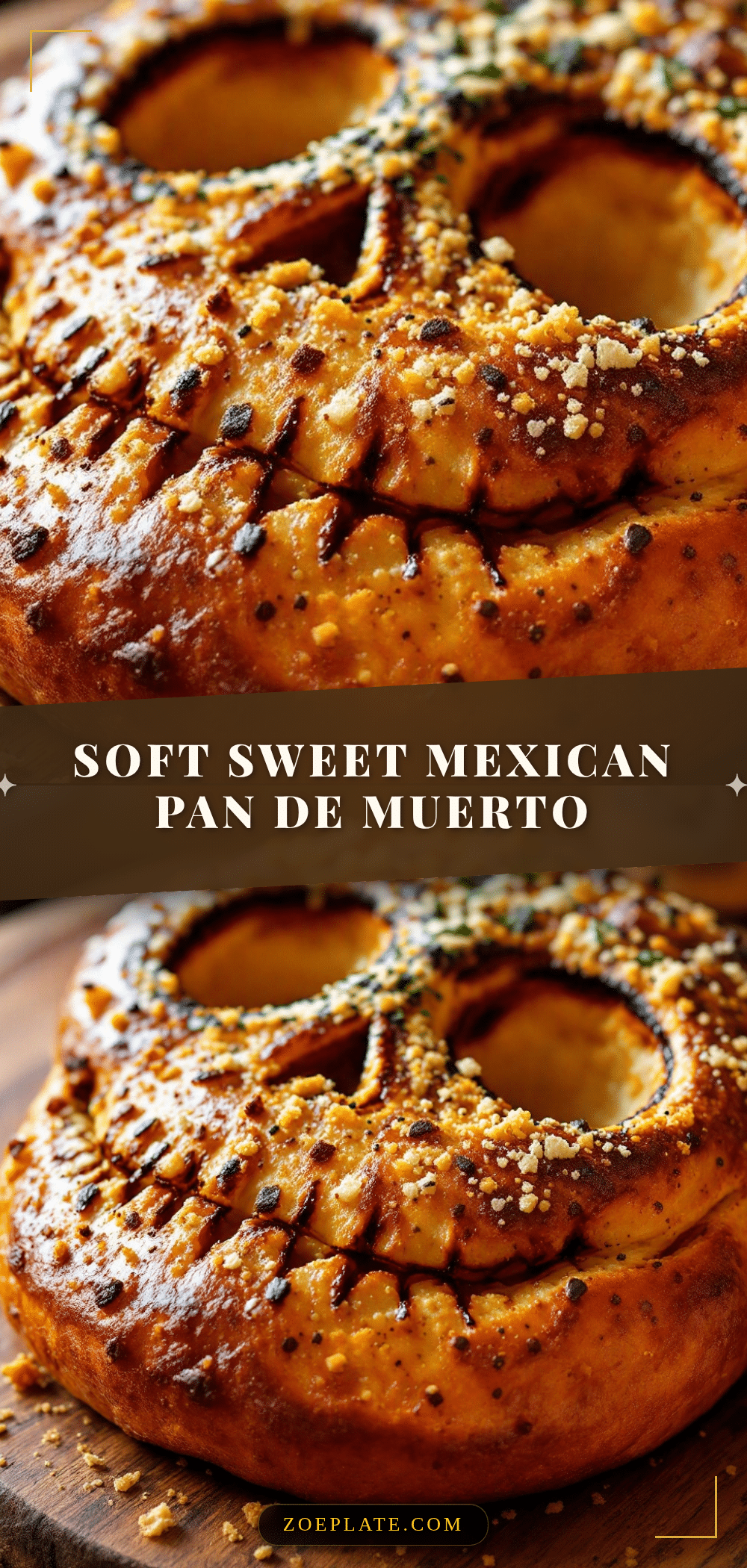
Classic Mexican Pan de Muerto: 5 Steps to Perfect Homemade Bread
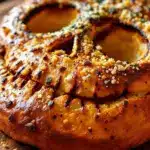
A traditional, fluffy Mexican sweet bread flavored with orange zest and anise, shaped into iconic bones and crosses. This recipe balances rich buttery dough with a sweet sugar glaze for a festive Dia de los Muertos treat.
- Prep Time: 45 minutes
- Cook Time: 30 minutes
- Total Time: 3 hours 15 minutes
- Yield: 2 loaves 1x
- Category: Dessert
- Cuisine: Mexican
Ingredients
- 3 ½ to 4 cups (450-500g) all-purpose flour
- ½ cup (100g) granulated sugar, divided
- 2 packets (about 2 ¼ tsp) active dry yeast
- 1 cup (240ml) warm milk (105°F-110°F)
- ½ cup (115g) unsalted butter, softened
- 2 large eggs, room temperature (1 for dough, 1 for wash)
- Zest of 1 large navel orange
- ¼ cup (60ml) fresh orange juice
- 1 teaspoon anise seeds, lightly crushed
- 1 teaspoon salt
- 2 tablespoons butter, melted (for glaze)
- ½ cup (100g) granulated sugar (for rolling)
Instructions
- Activate the yeast: In a small bowl, combine warm milk, 1 tablespoon of sugar, and yeast. Let sit for 5-10 minutes until foamy.
- Mix dry ingredients: In a large bowl, whisk together flour, remaining sugar, crushed anise seeds, and salt. Make a well in the center.
- Combine wet and dry: Add the foamy yeast mixture, 1 egg, orange zest, and orange juice to the well. Stir until a shaggy dough forms.
- Knead the dough: Turn dough onto a floured surface and knead for 10-15 minutes until soft and slightly tacky. Alternatively, use a stand mixer on medium-low for 5-7 minutes.
- First rise: Place dough in a lightly oiled bowl, cover, and let rise in a warm spot for 1-2 hours until doubled in size.
- Shape the bread: Punch down dough and divide into two halves. Roll one half into a log for the body. Cut the other half into four pieces; roll two into ‘bones’ and place across the top, and roll the remaining two into crosses to place on top. Pinch ends to secure. Repeat for second loaf.
- Second rise: Cover shaped loaves and let rise for 45-60 minutes until puffy. Preheat oven to 350°F (175°C) during the last 20 minutes.
- Bake: Whisk remaining egg with water for an egg wash. Brush loaves and bake for 25-30 minutes until golden brown. Cover with foil if browning too quickly.
- Glaze: While baking, melt 2 tablespoons of butter. Immediately after removing from oven, brush loaves with melted butter and roll in the remaining sugar while hot.
Notes
Ensure eggs and butter are at room temperature to prevent shocking the yeast. Do not over-flour the dough; wet your hands if it sticks to maintain softness. The second rise is crucial for a light texture. If using instant yeast, mix directly into dry ingredients without activating in milk first.
Nutrition
- Serving Size: 1 slice (approx. 1/1
- Calories: 220
- Sugar: 12
- Sodium: 250
- Fat: 6
- Saturated Fat: 3
- Carbohydrates: 35
- Fiber: 1
- Protein: 4
Keywords: Pan de Muerto, Mexican bread, Dia de los Muertos, sweet bread, orange anise bread, holiday baking, traditional Mexican recipe