I want roast chicken right now. Not a whole bird—that feels like too much for a Tuesday, too much leftover meat staring at me from the fridge for days. I want something intimate. Something that feels special but doesn’t require a full-day project. I have butter, I have fresh thyme from the windowsill that’s threatening to bolt, and I have half a bottle of Champagne left over from Sunday brunch that nobody finished. That’s the moment this chicken recipe was born—standing in my kitchen, holding a cold bottle of bubbly, realizing Champagne isn’t just for toasts and mimosas. It’s for basting.
I know what you’re thinking. Champagne in a roast chicken? It sounds fussy, maybe even a little wasteful. But honestly, the acidity cuts through the richness of the dark meat in a way that white wine just can’t quite match. It leaves this subtle, almost floral note in the pan juices that turns into the most ridiculous sauce you’ve ever spooned over mashed potatoes. And since it’s just for two, you can actually afford the good stuff—or at least the decent stuff you’d happily drink while you cook. This isn’t a recipe for a crowd. It’s for that quiet Friday night when you want to eat something that feels like a celebration without actually having anything to celebrate.
The first time I made this, I was skeptical. I thought the Champagne flavor would completely cook off and I’d be left with just another roast chicken. But that first bite changed my mind. The meat was impossibly tender, the skin crackled like glass, and the sauce—oh, that sauce. It had this delicate fruitiness that made me close my eyes and forget the sink full of dishes waiting for me. That’s the thing about cooking for two. It doesn’t have to be complicated. It just has to be good. And this chicken? It’s really, really good.
Why You’ll Love This Recipe
This isn’t your average weeknight chicken dinner. It’s designed to feel luxurious without demanding hours of your time or a pantry full of obscure ingredients. Here’s why it works so well for two people who want something special.
- Quick & Easy: From prep to table in about an hour and fifteen minutes. Most of that time is hands-off oven time, so you can actually sit down and enjoy that glass of Champagne while the chicken roasts.
- Simple Ingredients: You probably have most of these things already. Butter, garlic, fresh herbs, salt, pepper. The Champagne is the star, but it’s also the only ingredient you might need to buy special.
- Perfect for Date Night: This is the kind of meal that impresses without stress. It looks stunning on the plate, smells incredible while it cooks, and feels celebratory even on a random Wednesday.
- Crowd-Pleaser: Even picky eaters love a well-roasted chicken. The Champagne doesn’t make it taste boozy—it just makes it taste more elegant, more complex, more memorable.
- Unbelievably Delicious: The skin gets perfectly crispy, the meat stays juicy, and the pan sauce is honestly the best part. You’ll want to lick the plate. No judgment here.
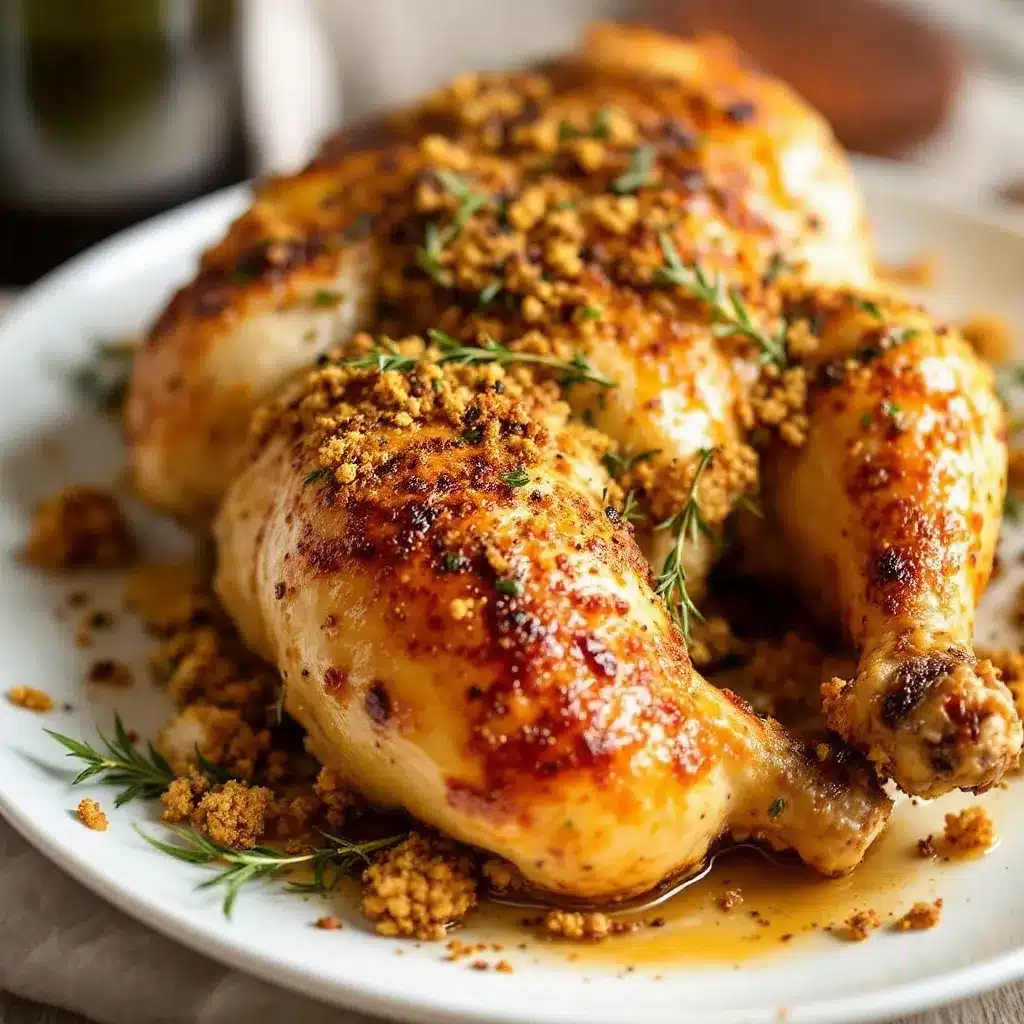
What makes this recipe different from every other roast chicken out there is the technique. Instead of just pouring Champagne into the pan, we reduce it slightly with the aromatics before roasting, which concentrates the flavor and prevents the meat from steaming. The result is a chicken that tastes like it took all day, but really just needed a little attention and a lot of butter. It’s comfort food elevated—faster, more flavorful, and perfectly portioned for two.
What Ingredients You Will Need
This recipe relies on simple, high-quality ingredients to create something truly special. The Champagne does the heavy lifting, but the supporting players are just as important. Here’s everything you need and why each ingredient matters.
- 1 (2.5 to 3-pound) whole chicken, butterflied (spatchcocked): A smaller bird cooks faster and more evenly. Butterflying it ensures the breast and thighs finish at the same time. Ask your butcher to do this, or use kitchen shears to cut out the backbone yourself—it’s easier than you think.
- 4 tablespoons unsalted butter, softened: Butter is non-negotiable here. It helps the skin crisp up and carries the herb flavor deep into the meat. I use unsalted so I can control the salt level myself. Let it sit out for 30 minutes before you start so it’s spreadable.
- 3 cloves garlic, minced: Fresh garlic is key. The jarred stuff won’t give you the same punch. It mellows out as it roasts, adding a sweet, savory depth to the pan juices.
- 1 tablespoon fresh thyme leaves, plus 4 sprigs for the pan: Thyme and chicken are a classic pairing for a reason. The leaves go into the butter, and the sprigs go into the pan to infuse the sauce. If you only have dried, use 1 teaspoon in the butter and skip the sprigs.
- 1 tablespoon fresh rosemary, finely chopped: Rosemary adds that almost piney, aromatic quality that makes roast chicken smell like Sunday dinner. Go easy—it’s strong stuff. Too much can overpower the Champagne.
- 1 teaspoon lemon zest: This brightens everything up. The zest adds a fresh, citrusy note that cuts through the richness of the butter and chicken. Don’t skip it.
- 1 ½ teaspoons kosher salt, divided: I use Diamond Crystal kosher salt. It’s less salty by volume than table salt, so adjust if you’re using something different. Season the chicken generously—it makes a difference.
- ½ teaspoon freshly ground black pepper: Freshly ground pepper has more flavor than the pre-ground stuff. It adds a gentle heat that complements the herbs.
- 1 cup dry Champagne or sparkling wine: Don’t use sweet sparkling wine like Asti or Moscato. You want something dry—Brut or Extra Brut. Prosecco or Cava work beautifully too. The alcohol mostly cooks off, leaving behind a subtle fruitiness and acidity.
- ½ cup chicken broth, low-sodium: This helps deglaze the pan and creates the base for the sauce. Low-sodium is important so you don’t end up with a salt bomb. If you have homemade broth, even better.
- 1 tablespoon all-purpose flour (optional, for thickening the sauce): I only use this if I want a thicker, gravy-like sauce. If you prefer a lighter pan sauce, skip it entirely. The natural juices will still be delicious.
- Fresh parsley, chopped, for garnish: A little green on the plate makes everything look more polished. It’s optional, but it adds a fresh pop of color and flavor.
I recommend using a good-quality Champagne or sparkling wine—something you’d actually enjoy drinking. I’ve used everything from a $12 bottle of Brut Cava to a pricier Champagne, and both worked beautifully. The key is dryness, not price tag. For the butter, I’m partial to Kerrygold for its richness, but any unsalted butter will do. And if you can find fresh herbs, they really do make a difference here. The dried stuff works in a pinch, but fresh thyme and rosemary elevate the whole dish.
Equipment Needed
You don’t need a fancy kitchen to pull this off. Most of these tools are things you probably already own. Here’s what you’ll need and a few notes on alternatives.
- Sharp kitchen shears: For butterflying the chicken if your butcher hasn’t done it. A good pair makes cutting through the backbone easy. If you don’t have shears, a sharp chef’s knife works, but it takes more effort.
- 12-inch oven-safe skillet or cast-iron pan: This is my preferred vessel. It goes from stovetop to oven seamlessly, and the high sides catch all the juices. A stainless steel skillet works too. Avoid nonstick if you want good browning.
- Instant-read thermometer: The only reliable way to know your chicken is done. I’ve ruined too many dry breasts guessing by sight. An inexpensive digital one costs about $10 and pays for itself in perfect chicken.
- Meat mallet or rolling pin: For gently pounding the butterflied chicken to an even thickness. This ensures everything cooks at the same rate. You can also just use your hands to press it flat.
- Small bowl: For mixing the herb butter. Nothing fancy needed.
- Basting brush or spoon: For brushing the herb butter under the skin and over the top. A silicone brush works great, but a regular spoon does the job too.
- Cutting board: For resting and carving the chicken. A wooden board with a channel to catch juices is ideal, but any clean surface works.
- Aluminum foil: For tenting the chicken while it rests. This keeps it warm without steaming the skin.
I’ve made this recipe in a cheap nonstick pan and it turned out fine, but the browning wasn’t as good. A cast-iron skillet is worth the investment—it heats evenly and gives you that gorgeous golden crust. If you don’t have an oven-safe skillet, you can transfer the chicken to a baking dish after searing. Just be careful moving a hot pan full of liquid. Trust me, I’ve learned that lesson the hard way.
Preparation Method
Let’s get cooking. This recipe moves fast once you start, so have everything prepped and measured before you turn on the heat. I promise it makes the whole process smoother.
- Preheat your oven to 425°F (220°C). Position a rack in the center of the oven. Getting the oven hot is crucial for crispy skin. While it heats, pat the chicken dry with paper towels—inside and out. Moisture is the enemy of crispy skin.
- Butterfly the chicken if needed. Place the chicken breast-side down on your cutting board. Using sharp kitchen shears, cut along both sides of the backbone to remove it completely. Flip the chicken over and press down firmly on the breastbone with the heel of your hand until it lies flat. You should hear a satisfying crack. If you’re squeamish, ask your butcher to do this step.
- Make the herb butter. In a small bowl, combine the softened butter, minced garlic, thyme leaves, chopped rosemary, lemon zest, 1 teaspoon of the kosher salt, and the black pepper. Mix until everything is evenly distributed. Taste a tiny bit on your finger—it should be flavorful and aromatic. If it tastes flat, add another pinch of salt.
- Season the chicken. Place the butterflied chicken on a plate or cutting board. Using your fingers, gently loosen the skin over the breast and thighs, being careful not to tear it. Slide about half of the herb butter directly under the skin, spreading it evenly over the meat. Rub the remaining butter all over the outside of the chicken. Sprinkle the remaining ½ teaspoon of salt over the top. This two-step seasoning ensures flavor gets everywhere.
- Sear the chicken (optional but recommended). Heat your oven-safe skillet over medium-high heat for 2 minutes. Add a drizzle of olive oil. Place the chicken skin-side down in the hot skillet. Let it cook undisturbed for 4-5 minutes, until the skin is golden brown and crispy. Don’t move it around—let it develop that crust. If the chicken sticks, it’s not ready yet. Give it another minute.
- Add the Champagne and aromatics. Carefully flip the chicken skin-side up. Pour the Champagne and chicken broth into the skillet around the chicken, not over the top—you don’t want to wash away that crispy skin. Add the thyme sprigs to the liquid. The liquid should come about ¼ inch up the sides of the chicken. If it looks too shallow, add a splash more broth.
- Roast the chicken. Transfer the skillet to the preheated oven. Roast for 35-40 minutes, or until the internal temperature of the thickest part of the breast reaches 160°F (71°C) and the thigh reaches 175°F (80°C). The skin should be deep golden brown and the juices should run clear when you pierce the thigh. Start checking at 30 minutes if your chicken is on the smaller side.
- Rest the chicken. Remove the skillet from the oven. Carefully transfer the chicken to a cutting board, letting any juices drip back into the skillet. Tent loosely with foil and let it rest for 10-15 minutes. This is not optional—resting allows the juices to redistribute so the meat stays moist. Use this time to make the pan sauce.
- Make the pan sauce. While the chicken rests, place the skillet over medium heat on the stovetop. Bring the pan juices to a simmer. If you want a thicker sauce, whisk in the flour and cook for 1 minute, stirring constantly, until it smells slightly nutty. Continue simmering for 3-4 minutes, until the sauce reduces by about half and thickens slightly. Taste and adjust seasoning with salt and pepper. Stir in a tablespoon of cold butter for shine and richness if you’re feeling fancy.
- Carve and serve. Carve the chicken into portions—breast, thigh, drumstick for each person. Spoon the pan sauce over the top. Garnish with fresh parsley. Serve immediately with your favorite sides.
A quick note on timing: the searing step adds about 10 minutes but gives you significantly better skin. If you’re short on time, you can skip it and just roast the chicken directly. The skin won’t be as crispy, but the flavor will still be excellent. I’ve done it both ways, and honestly, I always sear now. That golden crust is worth the extra effort.
Cooking Tips & Techniques
I’ve made this recipe more times than I can count, and I’ve learned a few things along the way. Here are my best tips to help you nail it every single time.
Dry the chicken thoroughly. This is the single most important step for crispy skin. Pat it dry with paper towels and let it sit uncovered in the fridge for an hour if you have time. The drier the skin, the crispier it gets. I once skipped this step in a hurry and ended up with soggy, rubbery skin. Never again.
Don’t skip the resting time. I know it’s tempting to dig in immediately, but resting is crucial. If you cut into the chicken too soon, all those delicious juices will run out onto the cutting board instead of staying in the meat. Ten minutes feels like an eternity when your kitchen smells amazing, but it makes a real difference. Use that time to make the sauce and set the table.
Use an instant-read thermometer. Guessing doneness by sight is a gamble. The chicken is perfectly cooked when the breast hits 160°F (71°C) and the thigh hits 175°F (80°C). The temperature will rise a few degrees during resting, so pull it out just before it hits those numbers. I’ve ruined too many dry chicken breasts by relying on the “juices run clear” test alone. The thermometer is your friend.
Watch the Champagne level. If the pan liquid evaporates completely during roasting, the chicken can burn on the bottom. Check it halfway through—if the pan looks dry, add a splash more broth or Champagne. On the flip side, too much liquid will steam the chicken and prevent browning. Aim for about ¼ inch depth in the pan.
Let the butter come to room temperature. Cold butter won’t spread evenly under the chicken skin. Take it out of the fridge 30 minutes before you start. If you forget, microwave it in 5-second bursts until it’s soft but not melted. Melted butter won’t give you the same texture.
Season generously. Chicken needs more salt than you think. The herb butter should taste slightly salty on its own. Under-seasoned chicken is one of the most common mistakes home cooks make. Don’t be shy with that salt shaker.
Variations & Adaptations
This recipe is wonderfully flexible. Here are some ways to change it up based on what you have on hand or what you’re craving.
Herb Swap: Not a fan of rosemary? Replace it with equal amounts of fresh tarragon or sage. Tarragon adds a subtle licorice note that pairs beautifully with Champagne. Sage gives it a more rustic, almost Thanksgiving-like flavor. I’ve also used a mix of fresh oregano and marjoram when my herb garden was overflowing, and it was fantastic.
Citrus Twist: Add thin slices of lemon or orange to the pan along with the Champagne. The citrus infuses the sauce with brightness and adds another layer of flavor. I particularly love orange with Champagne—it feels very celebratory. Just make sure to remove the seeds before adding them to the pan.
No Champagne? No Problem: If you don’t have Champagne, use dry white wine like Sauvignon Blanc or Pinot Grigio. Add a teaspoon of white wine vinegar to mimic the acidity. The flavor won’t be exactly the same, but it will still be delicious. I’ve also used hard apple cider in a pinch, which gave the chicken a lovely autumnal flavor.
Spice It Up: Add ½ teaspoon of red pepper flakes to the herb butter for a subtle kick. The heat cuts through the richness beautifully. If you want more warmth, add a pinch of smoked paprika or Aleppo pepper. My husband loves this version—he says it keeps things interesting.
Dairy-Free Option: Replace the butter with a high-quality olive oil or vegan butter. The flavor will be different—less rich, more fruity—but still excellent. I’ve made it with a good extra-virgin olive oil from California and it was surprisingly good. The skin still crisped up nicely.
Serving & Storage Suggestions
This chicken is the star of the show, but it loves company. Here’s how to serve it and what to do with leftovers—if you have any.
Serving Temperature: Serve the chicken hot, right after it’s rested. The pan sauce should be warm and spoonable. If it’s cooled down too much, reheat it gently on the stovetop before serving. I like to warm the plates too—it keeps everything hot longer.
What to Serve With It: This chicken pairs beautifully with simple sides that soak up that amazing sauce. Mashed potatoes are my top choice—they’re a sponge for all that buttery, Champagne-infused goodness. Roasted asparagus or green beans add a fresh, green contrast. A simple arugula salad with lemon vinaigrette cuts through the richness. For something starchier, try a small batch of cherry tomato pasta on the side—the acidity plays well with the Champagne notes.
Wine Pairing: Obviously, serve the same Champagne or sparkling wine you cooked with. It’s a perfect match. If you want something different, a light Pinot Noir or unoaked Chardonnay works beautifully. The key is to keep it light and acidic to complement the chicken without overwhelming it.
Storage: Store leftover chicken in an airtight container in the refrigerator for up to 4 days. Keep the sauce separate if possible—it can make the skin soggy. Reheat gently in a 350°F (175°C) oven for 10-15 minutes, or in a skillet with a splash of broth to keep it moist. The microwave works in a pinch, but it will toughen the meat.
Freezing: You can freeze the cooked chicken for up to 3 months. Shred the meat off the bones and store it in a freezer-safe bag. The sauce freezes well too—pour it into a separate container. Thaw overnight in the refrigerator and reheat gently. The texture won’t be quite as perfect as fresh, but it’s great for quick meals like chicken salad or soup.
How Flavors Develop: The chicken is best the day it’s made, but leftovers have their own charm. The flavors meld together overnight, and the meat absorbs even more of that herby, Champagne-infused goodness. It’s fantastic cold, sliced over a salad the next day for lunch.
Nutritional Information & Benefits
This is comfort food, but it’s also surprisingly balanced. Here’s the nutritional breakdown for one serving (half the chicken with sauce, not including sides).
- Calories: Approximately 485-520 per serving
- Protein: 38-42 grams
- Fat: 32-36 grams (mostly from butter and skin)
- Carbohydrates: 4-6 grams
- Fiber: 0 grams
- Sugar: 1-2 grams
- Sodium: 780-850 mg (varies based on salt used)
Health Benefits: Chicken is an excellent source of lean protein, which supports muscle health and keeps you feeling full. The garlic and herbs offer anti-inflammatory properties and antioxidants. Champagne, in moderation, contains resveratrol (the same compound found in red wine) that may support heart health. The butter provides fat-soluble vitamins A, D, E, and K, which help your body absorb nutrients from vegetables you serve alongside.
Dietary Considerations: This recipe is naturally gluten-free if you skip the flour in the sauce (use cornstarch slurry instead). It’s also low-carb and keto-friendly. To make it dairy-free, swap the butter for olive oil as mentioned above. It contains no nuts, eggs, or soy. If you’re watching sodium, reduce the added salt and use low-sodium broth.
Personal Note: I don’t believe in demonizing butter or Champagne. This is a special-occasion meal, not an everyday thing. It’s about enjoying food that makes you feel good—both in the moment and afterward. Balance is key, and this recipe fits beautifully into a varied, mindful diet.
Conclusion
This Champagne Herb-Roasted Chicken for Two is more than just a recipe—it’s an experience. It’s the kind of meal that makes a random Tuesday feel like an anniversary, that turns a quiet night in into something worth remembering. The crispy skin, the tender meat, that absurdly good pan sauce—every bite reminds you that cooking for someone is an act of love. And cooking for yourself? That’s an act of self-care.
I encourage you to make this recipe your own. Swap the herbs, change the wine, add a little heat if that’s your thing. The beauty of this dish is its flexibility. It’s forgiving enough for a beginner and impressive enough for a seasoned cook. Whether you’re making it for a date, a friend, or just yourself on a Friday night, it delivers every single time.
I’d love to hear how it turns out for you. Did you try a different herb combination? Serve it with something unexpected? Drop a comment below and let me know—I read every single one. And if you’re looking for another cozy meal for two, check out these small batch pumpkin cinnamon rolls for dessert. They’re the perfect sweet ending to this elegant dinner. Happy cooking, friend. You’ve got this.
Frequently Asked Questions
Can I use a whole chicken instead of butterflying it?
Yes, you can. But the cooking time will increase significantly—expect 60-75 minutes for a whole 3-pound bird. The breast may dry out before the thighs are done. Butterflying ensures even cooking and faster roasting. If you skip it, just be extra vigilant with your thermometer.
What if I don’t have Champagne? Can I use sparkling wine?
Absolutely. Any dry sparkling wine works beautifully—Prosecco, Cava, or even a dry sparkling cider. The key is dryness. Avoid sweet sparkling wines like Moscato d’Asti, which will make the sauce overly sweet. If you only have still white wine, add a teaspoon of white wine vinegar for acidity.
How do I know when the chicken is fully cooked?
The most reliable method is an instant-read thermometer. Insert it into the thickest part of the breast without touching bone—it should read 160°F (71°C). The thigh should read 175°F (80°C). The chicken will continue cooking as it rests, so pull it out just before it hits those numbers. The juices should run clear when you pierce the thigh.
Can I make this recipe ahead of time?
You can prep the herb butter and butterfly the chicken up to 24 hours in advance. Store the butter in the fridge and the chicken covered in the fridge. When you’re ready to cook, let the chicken sit at room temperature for 20 minutes before roasting. The actual cooking should be done fresh for the best texture and crispiness.
What should I do with the leftover Champagne?
Drink it, of course! It pairs perfectly with the chicken. If you have more than you need, use it to make mimosas for brunch the next day, or add it to a pumpkin cream cold foam for a festive twist. It also freezes well—pour it into an ice cube tray and use the cubes in future sauces or cocktails.
Pin This Recipe!
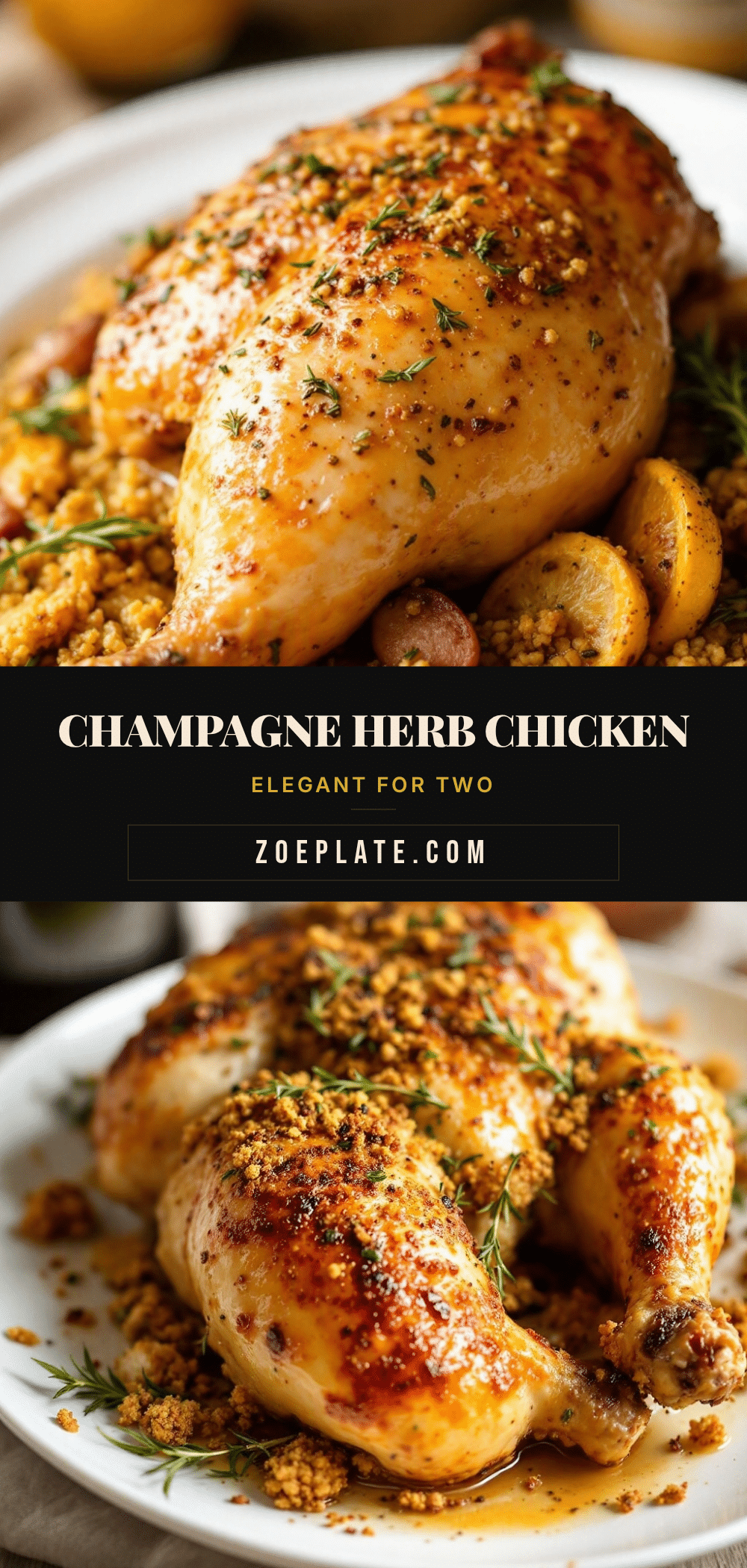
Perfect Champagne Herb-Roasted Chicken for Two
A luxurious yet simple roast chicken for two, featuring crispy skin, tender meat, and a delicate Champagne-herb pan sauce. Perfect for a special date night or a quiet celebration.
- Prep Time: 15 minutes
- Cook Time: 45 minutes
- Total Time: 1 hour 15 minutes
- Yield: 2 servings 1x
- Category: Main Course
- Cuisine: American
Ingredients
- 1 (2.5 to 3-pound) whole chicken, butterflied (spatchcocked)
- 4 tablespoons unsalted butter, softened
- 3 cloves garlic, minced
- 1 tablespoon fresh thyme leaves, plus 4 sprigs for the pan
- 1 tablespoon fresh rosemary, finely chopped
- 1 teaspoon lemon zest
- 1 ½ teaspoons kosher salt, divided
- ½ teaspoon freshly ground black pepper
- 1 cup dry Champagne or sparkling wine
- ½ cup chicken broth, low-sodium
- 1 tablespoon all-purpose flour (optional, for thickening the sauce)
- Fresh parsley, chopped, for garnish
Instructions
- Preheat your oven to 425°F (220°C). Position a rack in the center of the oven. Pat the chicken dry with paper towels.
- Butterfly the chicken if needed: Place chicken breast-side down, cut along both sides of the backbone to remove it, flip over, and press down on the breastbone to flatten.
- Make the herb butter: In a small bowl, combine softened butter, minced garlic, thyme leaves, chopped rosemary, lemon zest, 1 teaspoon salt, and black pepper. Mix well.
- Season the chicken: Gently loosen the skin over the breast and thighs, slide half the herb butter under the skin, and rub the remaining butter over the outside. Sprinkle with remaining ½ teaspoon salt.
- Sear the chicken (optional but recommended): Heat an oven-safe skillet over medium-high heat, add a drizzle of olive oil, place chicken skin-side down, and cook undisturbed for 4-5 minutes until golden brown.
- Add Champagne and aromatics: Flip chicken skin-side up. Pour Champagne and chicken broth into the skillet around the chicken. Add thyme sprigs to the liquid.
- Roast the chicken: Transfer skillet to the oven and roast for 35-40 minutes, until internal temperature reaches 160°F (71°C) in the breast and 175°F (80°C) in the thigh.
- Rest the chicken: Remove from oven, transfer chicken to a cutting board, tent with foil, and let rest for 10-15 minutes.
- Make the pan sauce: Place skillet over medium heat, bring pan juices to a simmer. If desired, whisk in flour and cook for 1 minute. Simmer for 3-4 minutes until reduced by half. Season with salt and pepper. Optionally stir in a tablespoon of cold butter.
- Carve and serve: Carve chicken into portions, spoon pan sauce over the top, garnish with fresh parsley, and serve immediately.
Notes
Dry the chicken thoroughly for crispy skin. Don’t skip the resting time. Use an instant-read thermometer for perfect doneness. Watch the Champagne level during roasting to prevent burning or steaming. Let butter come to room temperature for easy spreading. Season generously.
Nutrition
- Serving Size: Half the chicken wit
- Calories: 485520
- Sugar: 12
- Sodium: 780850
- Fat: 3236
- Carbohydrates: 46
- Protein: 3842
Keywords: roast chicken, champagne chicken, date night dinner, chicken for two, herb roasted chicken, easy roast chicken