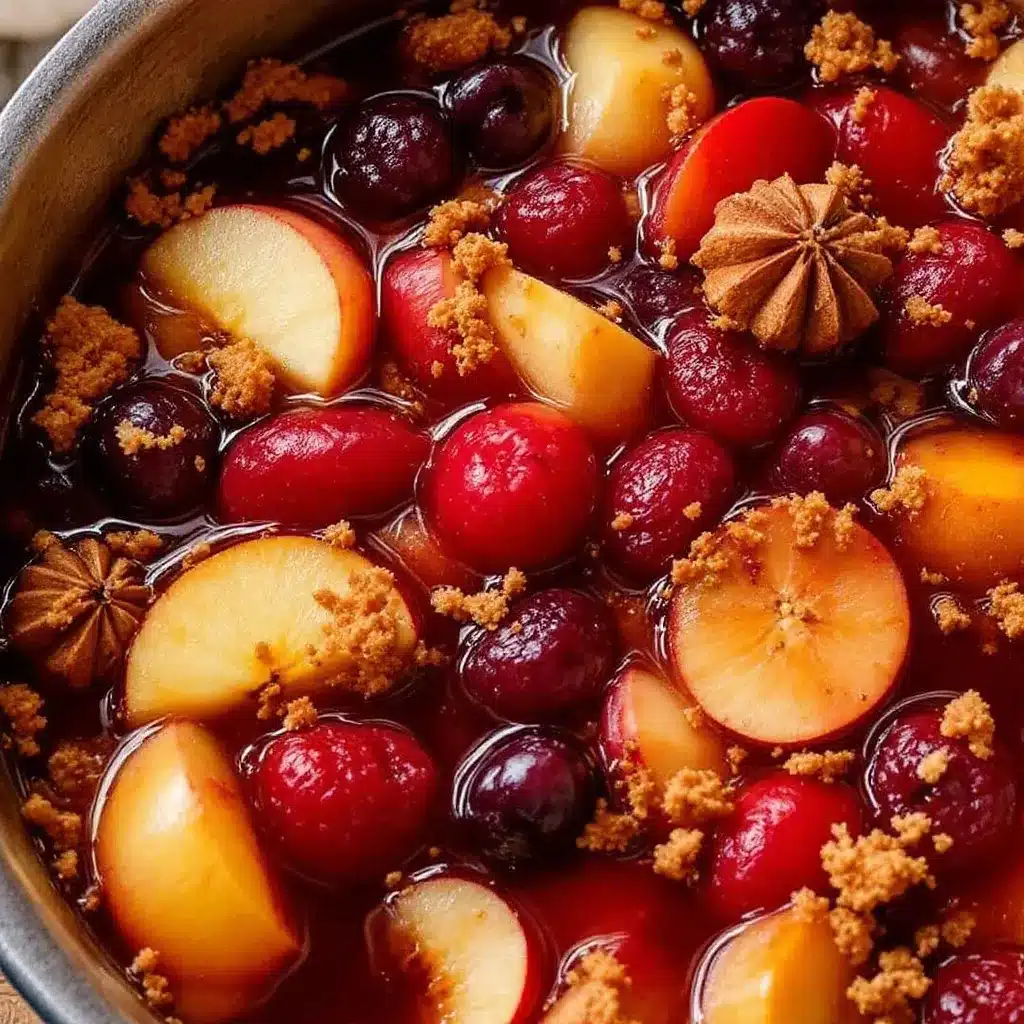
The amber glow of the liquid is what you make this for — everything else is secondary. It’s that specific, honeyed translucence that catches the late afternoon light filtering through your kitchen window. You know how it looks? Like liquid stained glass, warm and inviting, with those floating slices of apple and orange looking like they’re suspended in time. That visual alone is worth the trip to the store. Honestly, I used to think sangria was just a summer thing, something for patios and sunburns. But then I discovered that apple cider changes the game entirely. It’s thicker, richer, and holds onto heat in a way wine alone never could.
I remember the first time I made this. It was one of those crisp October evenings where the air bites your cheeks but the house stays warm. I needed something that felt festive without requiring hours of standing over a stove. The moment I poured the cider into the red wine, the color shifted into this deep, rustic copper. It smelled like a bakery and a vineyard had a friendly argument. The cinnamon sticks didn’t just sit there; they released their spice slowly, creating that cozy atmosphere that makes you want to pull a sweater over your head.
This isn’t about getting drunk. It’s about the ritual. It’s about the way the cold glass feels in your hand while the warmth spreads through your chest. It’s the kind of drink that makes guests linger at the table, debating whether it’s better with a splash of soda water or straight up. You don’t need fancy garnishes or expensive spirits. You just need patience and good ingredients. Once you taste that first sip, with the hint of apple and the kick of spice, you’ll never go back to simple wine again. It’s comfort in a glass, and that’s the whole point.
Why You’ll Love This Recipe
There is a specific magic that happens when you combine the tannins of red wine with the natural sweetness of apple cider. It creates a balance that feels both indulgent and grounded. This recipe isn’t just a mix of liquids; it’s a carefully calibrated experience that taps into the best parts of the autumn season. Here is why this particular combination works so well for your home:
* **Quick & Easy**: Unlike complex cocktails that require shaking, muddling, or specialized syrups, this comes together in under ten minutes of active prep. You just chop, pour, and stir. It is perfect for busy weeknights when you want a drink with character but don’t have the energy for a bartending session.
* **Simple Ingredients**: You likely have most of these items in your kitchen right now. Red wine, apple cider, cinnamon sticks, and fresh fruit. No fancy grocery trips needed, and no obscure liqueurs to track down. It uses pantry staples to deliver bold flavor without the fuss.
* **Perfect for Fall Gatherings**: This is the ultimate hostess drink. Whether you are hosting a dinner party, a casual game night, or just enjoying a quiet evening, it sets the mood immediately. It pairs beautifully with the scents of roasting vegetables or baking bread.
* **Crowd-Pleaser**: Kids and adults alike can enjoy the non-alcoholic version easily. The flavor profile is familiar—tasting like apple pie in liquid form—which makes it approachable for people who usually shy away from wine.
* **Unbelievably Delicious**: The texture is smoother than standard sangria. The apple cider adds a slight body and a fruity sweetness that complements the dryness of the wine. It is next-level comfort food in a glass.
* **What Makes It Different**: Many sangria recipes rely on simple syrup or orange juice, which can taste artificial or too tart. By using 100% apple cider, you get a natural depth of flavor that evolves as it sits. The cinnamon infusion adds a spicy warmth that cuts through the sweetness, creating a sophisticated profile that feels homemade yet refined. It’s not just a drink; it’s the kind of experience that makes you close your eyes after the first sip. It’s fall reimagined—cozier, richer, but with the same soul-soothing satisfaction.
What Ingredients You Will Need
This recipe uses simple, wholesome ingredients to deliver bold flavor and satisfying texture without the fuss. The beauty of this sangria lies in the quality of its components. Since there are so few ingredients, each one plays a critical role. You want fruits that are ripe but firm enough to hold up in liquid, and a wine that is robust enough to stand up to the sweetness of the cider.
Here is what you will need to get started:
**The Base**
* **1 bottle (750ml) dry red wine**: I recommend a Pinot Noir or a Merlot. Pinot Noir is lighter and fruitier, which pairs beautifully with apple. Merlot is a bit bolder and can handle the spice better. Avoid anything too oaky or heavy, as it will clash with the fresh fruit. Look for a bottle you would actually drink on its own; if it’s too bitter, your sangria will be too.
* **3 to 4 cups 100% apple cider**: Make sure it is 100% juice, not “apple cider drink” or cocktail. You want the pure, unadulterated flavor of pressed apples. Brands like Woodchuck or local farm stand cider work wonders. If you can find fresh-pressed, even better. This provides the sweetness and the autumnal essence.
**The Fruit**
* **2 large apples**: Honeycrisp or Gala apples are best because they hold their shape well. Granny Smith works if you want a tart kick. Peel them or leave the skin on for color; I usually leave it on for that rustic look.
* **2 oranges**: Navel oranges are juicy and sweet. You will use both the juice and the slices.
* **1 cup cranberries**: Fresh or frozen. They add a nice pop of color and a tart contrast to the sweet apple and wine.
* **1 cup pomegranate arils**: Optional, but highly recommended for that jewel-toned visual appeal. They add a nice crunch.
**The Spice & Sweetness**
* **3 to 4 cinnamon sticks**: Don’t skimp here. The sticks infuse flavor much better than ground cinnamon, which can make the drink muddy. Ceylon cinnamon is milder, while Cassia is spicier. Either works, but Ceylon is smoother.
* **1/4 cup brown sugar**: Optional, depending on how sweet your cider is. Taste the cider first. If it’s tart, you’ll need this. If it’s very sweet, skip it or use less.
* **1 tablespoon orange liqueur (optional)**: Triple sec or Cointreau adds depth. If you want to keep it simpler, a splash of orange juice works too.
**For Serving**
* **Sparkling water or club soda**: To dilute the strength and add fizz.
* **Extra apple slices and cinnamon sticks**: For garnish.
Substitution Tips
If you cannot find good apple cider, apple juice concentrate diluted with water can work in a pinch, but the flavor won’t be as complex. For the wine, a lighter red like a Gamay or a Zinfandel can work, but avoid Cabernet Sauvignon as it is often too tannic. If you want a non-alcoholic version, simply swap the red wine for a dry grape juice or a robust black tea brew.
Equipment Needed
You don’t need a lot of fancy tools to make this, but having the right gear makes the process smoother. The most important item is a **large glass pitcher or a glass beverage dispenser**. Glass is preferred over plastic or ceramic because it doesn’t absorb odors and lets you see the beautiful color of the sangria as it infuses. A pitcher with a lid is helpful for refrigeration.
You will also need a **sharp chef’s knife and a cutting board**. You’ll be slicing apples and oranges, so a knife that holds an edge will make quick work of the fruit. A **juicer** is nice but not strictly necessary. You can squeeze the oranges by hand, though it takes a bit more elbow grease. If you have a citrus reamer, it’s a nice shortcut.
For measuring, standard **measuring cups and spoons** are sufficient. Since you are dealing with liquids and rough fruit chunks, precision isn’t as critical as it is in baking. However, having a **large spoon or whisk** for stirring is essential to ensure the sugar and cinnamon are evenly distributed.
If you plan to make this in bulk for a party, a **large punch bowl** might be easier to manage than a pitcher. Just ensure it has enough space for the fruit to float. For storage, you will need **airtight containers** if you plan to keep leftovers in the fridge. Avoid metal containers, as the acidity in the wine and fruit can react with certain metals over time. A simple glass jar works perfectly for storing individual portions.
Preparation Method
Making this cozy fall sangria is straightforward, but the order of operations matters to get the best flavor infusion. Follow these steps carefully.
1. **Prepare the Fruit (10 minutes)**
Wash all your fruit thoroughly. Slice the apples into thin wedges or cubes. If you are using Honeycrisp or Gala, leaving the skin on adds a nice visual element and extra flavor. Slice the oranges into thin rounds. Remove any large seeds from the oranges if you prefer, though they are edible. Toss the apple and orange slices together in a large bowl. If you are using pomegranate arils, have them ready in a small bowl.
2. **Combine the Base (5 minutes)**
Pour the entire bottle of red wine into your large glass pitcher. If you are using brown sugar, add it now. The cold wine will make the sugar harder to dissolve, so you might need to stir vigorously. Alternatively, you can dissolve the sugar in a small amount of warm apple cider first, then mix it into the pitcher. Pour in the apple cider. Stir gently but thoroughly to combine the liquids.
3. **Add the Fruit and Spice (2 minutes)**
Add the sliced apples and oranges to the pitcher. Toss them gently so they are submerged in the liquid. Add the cinnamon sticks. If you are using orange liqueur, pour it in now. The fruit will start to release its juices immediately, which will begin to sweeten and flavor the wine.
4. **The Infusion (Crucial Step: 2 to 24 hours)**
Cover the pitcher and place it in the refrigerator. This is where the magic happens. Let it sit for at least 2 hours for a light infusion. For the best flavor, let it sit overnight, up to 24 hours. During this time, the apple cider’s sweetness will meld with the wine, and the cinnamon will release its spicy notes. The fruit will also soften slightly and absorb some of the liquid. Do not skip this step; rushing it will result in a drink that tastes like separate ingredients rather than a cohesive blend.
5. **Final Adjustments and Serving (5 minutes)**
Before serving, taste the sangria. If it tastes too strong or tart, add a splash more apple cider or a little more sugar. If it’s too sweet, add a splash of sparkling water or club soda to lighten it up. Add the fresh cranberries and pomegranate arils just before serving to keep their texture and color vibrant. Ladle the sangria into glasses, making sure each person gets a good amount of fruit. Garnish with a fresh cinnamon stick and a slice of apple. Serve immediately over ice if desired.
Troubleshooting Tips
If the sangria tastes too bitter, your wine might be too dry or your apples were too tart. Add a bit more apple cider or a teaspoon of honey. If the flavor feels flat, it likely didn’t infuse long enough. Give it another hour in the fridge.
Cooking Tips & Techniques
Getting the balance right in sangria is more about intuition than strict measurements. Here are some tips from experience to help you nail it every time.
**Taste Your Wine First**
Not all red wines are created equal. If you buy a wine that is overly tannic or bitter, it will dominate the drink. Always taste the wine before opening the bottle. If it’s pleasant on its own, it will likely work well in sangria. Pinot Noir is your best friend here because it is naturally fruity and low in tannins.
**Don’t Overcrowd the Pitcher**
While it’s tempting to dump in all the fruit at once, make sure there is enough liquid to cover everything. If the fruit floats too high, it won’t infuse properly. You want the fruit submerged so it releases its juices into the mix. If you need to, add a little more cider to cover the fruit.
**The Cinnamon Strategy**
Using whole cinnamon sticks is non-negotiable for the best texture. Ground cinnamon will cloud the sangria and leave a gritty residue at the bottom of the glass. If you only have ground cinnamon, make a quick simple syrup with it first, then add that to the pitcher. But honestly, whole sticks are easier and look much better.
**Cold is Better**
Sangria tastes best when it is very cold. The chill mutes the alcohol burn and highlights the fruit flavors. Keep your pitcher in the fridge until the last possible moment. If you are serving a large group, consider making two smaller batches rather than one giant one, so the first batch doesn’t sit out and warm up.
**Avoid Plastic Containers**
I learned this the hard way. Plastic can absorb the strong flavors of the wine and fruit, leaving a weird taste in subsequent batches. Glass is inert and easy to clean. It also looks much more elegant on the table.
Variations & Adaptations
While the classic apple cider version is my favorite, there are plenty of ways to tweak this recipe to suit your taste or dietary needs.
**The White Wine Swap**
If you prefer white wine, you can use a crisp Sauvignon Blanc or Pinot Grigio instead of red wine. Swap the apples for pears and peaches, and use pear cider if you can find it. Add some fresh basil leaves for a surprising herbal note. This version is lighter and more refreshing, perfect for early fall evenings.
**The Spiced Rum Twist**
For a boozy kick, add 1/2 cup of spiced rum to the red wine base. This turns the sangria into a warm, winter warmer. The rum complements the cinnamon and apple flavors perfectly. This is great for holiday parties and pairs wonderfully with darker chocolates.
**The Non-Alcoholic Version**
To make this alcohol-free, replace the red wine with a robust black tea (brewed strong and cooled) or a non-alcoholic red wine. Use extra apple cider and add a splash of pomegranate juice for depth. The cinnamon and fruit will still provide all the flavor you need. This is perfect for designated drivers or children at a party.
**The Berry Burst**
Add a cup of mixed berries (strawberries, raspberries, blueberries) to the fruit mix. The berries add a tartness that cuts through the sweetness of the cider. This version is visually stunning with the mix of reds and purples.
**Gluten-Free and Vegan**
This recipe is naturally gluten-free and vegan, provided you check your wine and cider labels. Some wines use animal-derived fining agents, so look for “vegan-friendly” labels if that matters to you. Most ciders are vegan, but always double-check.
Serving & Storage Suggestions
**Serving Temperature**
Serve this sangria chilled, ideally between 45-50°F (7-10°C). It should be cold but not slushy. If you are serving it over ice, use large ice cubes to minimize dilution. Small cubes melt too fast and water down the flavor.
**Presentation**
Use clear glassware to show off the color. A wide-mouthed wine glass or a coupe glass works well. Garnish each glass with a cinnamon stick and a slice of apple. For a festive touch, rim the glasses with a mix of sugar and cinnamon.
**Complementary Dishes**
This sangria pairs beautifully with rich, savory foods. Try it with **roasted chicken**, **pork chops**, or **hearty stews**. It also goes well with cheese boards, especially those featuring sharp cheddar or gouda. For dessert, it complements **apple crisp** or **chocolate cake** nicely.
**Storage**
Sangria actually improves with time. Store it in an airtight glass container in the refrigerator for up to 3 days. The flavors will continue to meld and deepen. After 3 days, the fruit may start to break down and become mushy, so it’s best to consume it within that window.
**Reheating**
While sangria is typically served cold, you can warm it up for a hot sangria variation. Gently heat the sangria on the stove over low heat until it is warm but not boiling. Boiling will evaporate the alcohol and ruin the fresh fruit flavors. Serve hot with a cinnamon stick stirrer.
Nutritional Information & Benefits
This sangria is a moderate indulgence. A standard serving (about 6 ounces) contains approximately 150-180 calories, depending on the sweetness of the cider and wine. It contains about 12-15 grams of sugar, mostly from the natural fruit juices.
**Health Benefits**
* **Antioxidants**: Red wine is rich in resveratrol and other antioxidants, which are linked to heart health.
* **Vitamin C**: The oranges and cranberries provide a good boost of Vitamin C, supporting immune health.
* **Hydration**: While alcohol can be dehydrating, the high water content from the fruit and cider helps balance this out. Drinking plenty of water alongside your sangria is still recommended.
**Dietary Considerations**
* **Gluten-Free**: This recipe is naturally gluten-free.
* **Vegan**: Check your wine label to ensure it is vegan-friendly.
* **Sugar Content**: If you are watching your sugar intake, use a dry red wine and a low-sugar apple cider. You can also skip the added brown sugar.
**Allergens**
This recipe contains no common allergens like nuts, dairy, or soy. However, always check labels if you have specific sensitivities, especially with pre-made ciders or wines.
Conclusion
This cozy fall sangria is more than just a drink; it’s an invitation to slow down and savor the season. The combination of apple cider, red wine, and cinnamon creates a flavor profile that is deeply comforting and endlessly adaptable. Whether you are hosting a dinner party or enjoying a quiet night by the fire, this recipe delivers.
I love this recipe because it requires minimal effort but yields maximum satisfaction. It’s the kind of drink that brings people together, sparking conversation and warmth. I encourage you to experiment with different fruits and spices to make it your own. Add a star anise for extra depth, or swap the apples for pears. The possibilities are endless.
If you try this recipe, I’d love to hear how it turns out. Leave a comment below with your favorite variation or a photo of your creation. Share it with friends and family, and let’s celebrate the fall together. Cheers to cozy nights and good company!
Frequently Asked Questions
Can I make this sangria ahead of time?
Yes, this sangria is best made ahead of time. It benefits from sitting in the refrigerator for at least 2 hours, but ideally overnight. This allows the flavors to meld and the cinnamon to infuse properly. You can make it up to 24 hours in advance.
What kind of wine is best for this recipe?
A dry red wine like Pinot Noir or Merlot works best. Pinot Noir is lighter and fruitier, which pairs well with apple. Merlot is bolder and can handle the spice. Avoid highly tannic wines like Cabernet Sauvignon, as they can clash with the fruit.
Can I use frozen fruit?
Yes, you can use frozen fruit. In fact, frozen berries can act as ice cubes, keeping the sangria cold without diluting it. Just add them directly to the pitcher. Frozen apples and oranges may become mushy, so they are better used fresh.
How do I make this non-alcoholic?
To make a non-alcoholic version, replace the red wine with a strong black tea or a non-alcoholic red wine. Use extra apple cider and add a splash of pomegranate juice for depth. The cinnamon and fruit will still provide all the flavor.
Can I add other spices?
Absolutely. Besides cinnamon, you can add star anise, cloves, or a strip of orange zest. These spices complement the apple and wine flavors well. Just be careful not to overdo it, as you want the fruit to shine.
Pin This Recipe!
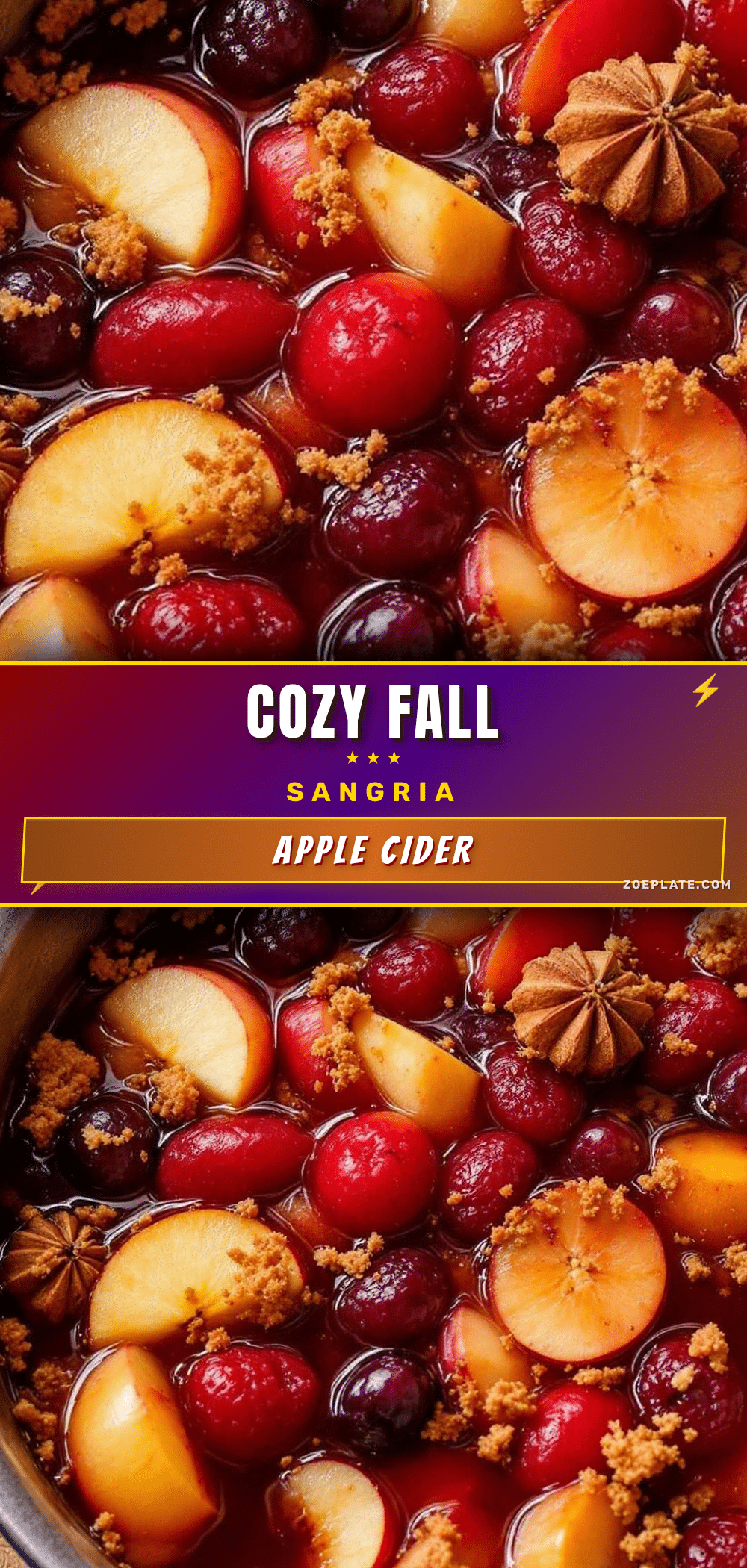
Cozy Fall Sangria with Apple Cider
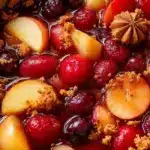
A warm, festive autumn drink combining dry red wine, 100% apple cider, fresh fruit, and cinnamon sticks for a comforting, infused beverage perfect for fall gatherings.
- Prep Time: 10 minutes
- Cook Time: 0 minutes
- Total Time: 2 hours 10 minutes
- Yield: 6 servings 1x
- Category: Beverages
- Cuisine: American
Ingredients
- 1 bottle (750ml) dry red wine (Pinot Noir or Merlot)
- 3 to 4 cups 100% apple cider
- 2 large apples (Honeycrisp, Gala, or Granny Smith), sliced
- 2 oranges (Navel), sliced and juiced
- 1 cup fresh or frozen cranberries
- 1 cup pomegranate arils (optional)
- 3 to 4 cinnamon sticks
- 1/4 cup brown sugar (optional, to taste)
- 1 tablespoon orange liqueur (optional, e.g., Triple sec)
- Sparkling water or club soda (for serving)
Instructions
- Wash all fruit thoroughly. Slice apples into thin wedges or cubes and oranges into thin rounds. Toss fruit together in a large bowl.
- Pour the entire bottle of red wine into a large glass pitcher. If using brown sugar, add it now and stir vigorously to dissolve, or dissolve it in a small amount of warm cider first.
- Pour in the apple cider and stir gently but thoroughly to combine the liquids.
- Add the sliced apples, oranges, and cinnamon sticks to the pitcher. If using orange liqueur, add it now. Toss gently to submerge the fruit.
- Cover the pitcher and refrigerate for at least 2 hours, or ideally overnight (up to 24 hours) to allow flavors to infuse.
- Before serving, taste the sangria. Adjust sweetness with more cider or sugar, or dilute with sparkling water if too strong.
- Add fresh cranberries and pomegranate arils just before serving to maintain texture and color.
- Ladle into glasses with fruit, garnish with a cinnamon stick and apple slice, and serve over ice if desired.
Notes
Use whole cinnamon sticks rather than ground cinnamon to avoid a gritty texture. Glass containers are preferred over plastic to prevent odor absorption. Sangria improves with time, so make it ahead if possible. For a non-alcoholic version, substitute red wine with strong black tea or non-alcoholic red wine.
Nutrition
- Serving Size: 6 ounces
- Calories: 165
- Sugar: 13.5
- Sodium: 5
- Carbohydrates: 13.5
- Fiber: 0.5
- Protein: 0.2
Keywords: fall sangria, apple cider sangria, red wine cocktail, autumn drinks, cinnamon sangria, party drinks, gluten-free cocktail