I had been looking for a weeknight dinner that actually tasted like something you’d order at a restaurant but didn’t require a sink full of dishes or a half-hour of prep. For a while, I just accepted that quick dinners meant separate pans, different cook times, and that frantic juggling act where the salmon finishes before the asparagus even thinks about getting tender. It wasn’t working. The salmon would come out perfect one night and dry the next. The asparagus was either undercooked or limp. I tried foil packets, I tried stovetop methods, I tried every shortcut in the book. Nothing clicked. Then, on a Tuesday night when I was too tired to care about being fancy, I threw everything on one sheet pan and walked away. The lemon got a little charred in the best way. The garlic melted into the salmon. The asparagus roasted right alongside it, soaking up all the juices. And honestly? It was the best salmon dinner I’d made in months. That’s how this Easy Lemon Garlic Salmon and Asparagus Sheet Pan Dinner became my go-to. It wasn’t born from a moment of inspiration. It came from a place of pure, practical laziness. And I’m so glad it did.
Why You’ll Love This Recipe
This isn’t just another salmon recipe. This is the one that makes you wonder why you ever fussed with multiple pans in the first place. I’ve tested this method on busy weeknights, lazy Sundays, and even for a small dinner party where I wanted to look like I had it all together (I did). Here’s why it works:
- Quick & Easy : From start to finish, this meal comes together in about 25 minutes. That includes prep and cook time. No marinating, no complicated steps, no stress.
- Simple Ingredients : You probably already have lemon, garlic, olive oil, salt, and pepper in your kitchen. The salmon and asparagus are the only things you might need to pick up. No fancy grocery trips required.
- Perfect for Busy Weeknights : This is the kind of dinner you make when you’re tired, hungry, and don’t want to think. It’s also impressive enough for guests who think you spent hours in the kitchen.
- Crowd-Pleaser : Even people who claim they don’t like salmon have asked for seconds of this. The lemon and garlic do something magical—they make the fish taste bright and fresh, not fishy at all.
- Unbelievably Delicious : The combination of tender, flaky salmon with perfectly roasted asparagus, all kissed by lemon and garlic, is pure comfort food. It’s light but satisfying. Healthy but indulgent.
What makes this recipe different from every other sheet pan salmon recipe out there is the timing. I don’t just throw everything on the pan at once. The asparagus goes in first for a head start, so it gets those beautiful charred edges without turning to mush. Then the salmon joins the party, and everything finishes together. It’s a small detail, but it makes all the difference. This is the kind of meal that makes you close your eyes after the first bite. It’s simple, but it’s perfect.
What Ingredients You Will Need
This recipe uses simple, wholesome ingredients that work together to create a bright, savory, and satisfying meal without any fuss. Here’s what you’ll need:
- Salmon Fillets (4 fillets, about 6 oz each): Look for center-cut fillets that are roughly the same thickness so they cook evenly. I prefer wild-caught salmon when I can find it, but farm-raised works beautifully too. If your fillets have skin, leave it on—it helps keep the fish moist and crisps up nicely in the oven.
- Fresh Asparagus (1 bunch, about 1 lb): Choose asparagus spears that are bright green and firm, not limp or woody. Thicker spears hold up better to roasting and are less likely to get soggy. Snap off the tough ends before cooking—they’ll naturally break where the tender part begins.
- Lemons (2 large): One lemon for juicing and one for slicing. The juice goes into the marinade, and the slices roast alongside the salmon and asparagus, infusing everything with bright citrus flavor. I recommend using organic lemons if you plan to eat the roasted slices (they’re delicious!).
- Garlic (4-5 cloves, minced): Fresh garlic is non-negotiable here. Pre-minced jarred garlic just doesn’t have the same punch. The garlic gets fragrant and slightly sweet as it roasts, creating a beautiful crust on the salmon.
- Olive Oil (3 tablespoons): Extra virgin olive oil adds richness and helps everything roast evenly. You can use avocado oil if you prefer a more neutral flavor, but I love the fruity notes that good olive oil brings to this dish.
- Dried Oregano (1 teaspoon): This adds a subtle earthy, slightly peppery flavor that complements the lemon and garlic beautifully. You can use dried thyme or rosemary instead if that’s what you have on hand.
- Salt and Black Pepper (to taste): I use kosher salt for its clean flavor and flaky texture. Freshly ground black pepper makes a difference here—don’t use the pre-ground stuff if you can help it.
- Optional Garnishes: Fresh dill, parsley, or chives add a pop of color and freshness right before serving. A pinch of red pepper flakes is also nice if you like a little heat.
One thing I’ve learned through trial and error: don’t skip the lemon slices. They’re not just for looks. As they roast, they soften and caramelize slightly, releasing their oils into the salmon and asparagus. I also recommend using a good-quality olive oil here—it’s one of the main flavors in the dish, so it matters. My go-to brand is California Olive Ranch for everyday cooking, but use whatever you love.
Equipment Needed
The beauty of a sheet pan dinner is that you don’t need much. Here’s what you’ll need to pull this off:
- Sheet Pan (1 large, rimmed): A half-sheet pan (18×13 inches) is the perfect size for this recipe. Make sure it has sides to catch any juices. I’ve used both non-stick and regular aluminum pans—both work fine. If you’re using a dark-colored pan, keep an eye on the cook time since it can brown things faster.
- Parchment Paper or Aluminum Foil (optional but recommended): Lining your pan makes cleanup even easier. I prefer parchment paper because it’s non-stick and doesn’t react with acidic ingredients like lemon. If you use foil, give it a light spray of cooking oil to prevent sticking.
- Chef’s Knife and Cutting Board: For trimming the asparagus and slicing the lemons. A sharp knife makes quick work of both tasks.
- Small Bowl: For whisking together the olive oil, lemon juice, garlic, oregano, salt, and pepper. You could also use a measuring cup or a jar with a lid.
- Tongs or Spatula: For flipping the asparagus halfway through roasting and for transferring the salmon to plates. I like using fish spatulas—they’re thin and flexible, which helps keep the fillets intact.
- Instant-Read Thermometer (optional but recommended): If you’re new to cooking salmon, a thermometer takes the guesswork out of it. Salmon is done at 125°F to 130°F in the thickest part.
If you don’t have a sheet pan, you can use a large baking dish or even two smaller ones. Just make sure everything has enough room to breathe—crowding the pan leads to steaming instead of roasting. And if you don’t have an instant-read thermometer, don’t worry. You can check doneness by gently pressing the salmon with a fork; it should flake easily when it’s done.
Preparation Method
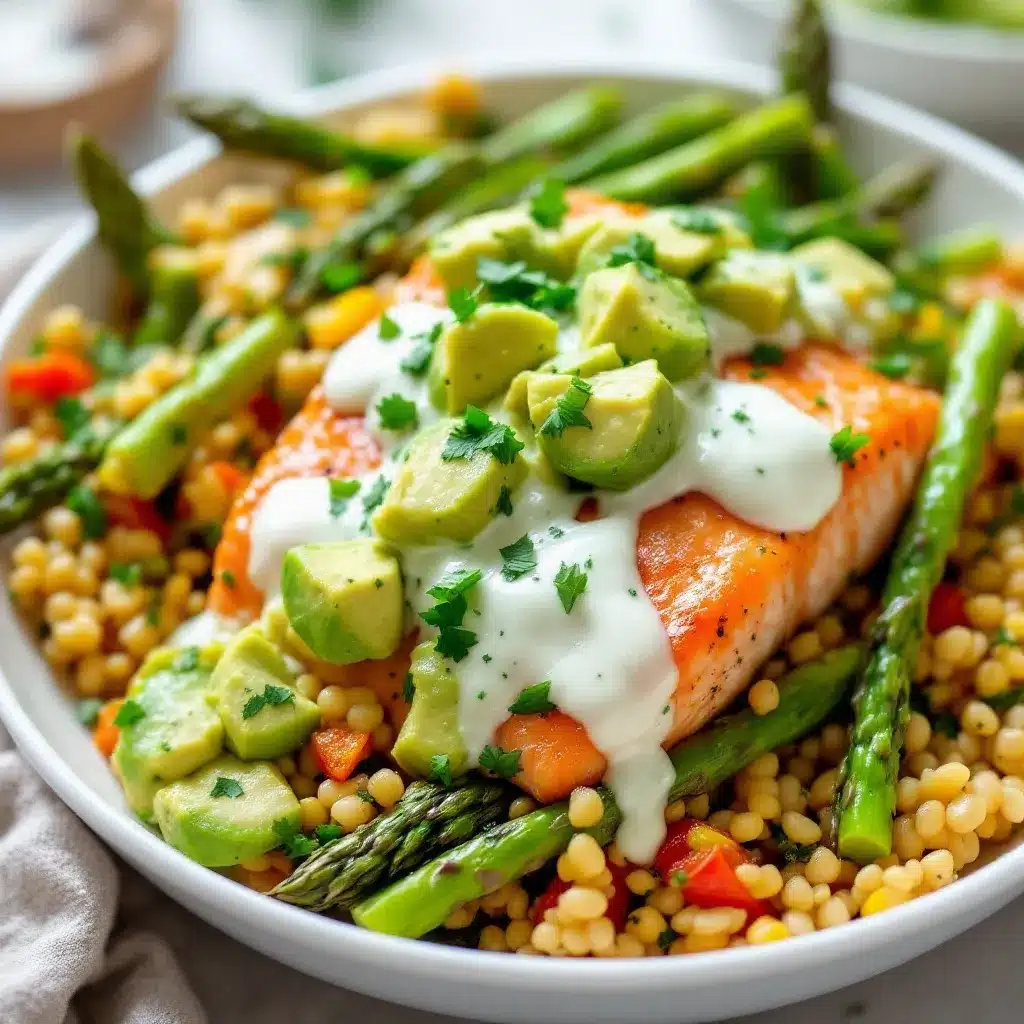
This recipe is straightforward, but a few small details make a big difference. Follow these steps, and you’ll have a restaurant-quality dinner on the table in no time.
- Preheat the oven to 400°F (200°C). Position the rack in the middle of the oven. While the oven heats up, line your sheet pan with parchment paper or foil for easy cleanup.
- Prep the asparagus. Rinse the asparagus under cold water and pat dry. Snap off the woody ends by holding each spear near the bottom and bending until it breaks naturally—this removes the tough, fibrous part. You can also trim them with a knife if you prefer. Place the asparagus on one side of the sheet pan.
- Prep the salmon. Pat the salmon fillets dry with paper towels. Removing excess moisture helps the fish brown instead of steam. Place the fillets on the other side of the sheet pan, leaving a little space between each piece. If your fillets have skin, place them skin-side down.
- Make the lemon garlic mixture. In a small bowl, whisk together 3 tablespoons olive oil, the juice of 1 lemon, 4-5 minced garlic cloves, 1 teaspoon dried oregano, 1/2 teaspoon salt, and 1/4 teaspoon black pepper. Give it a taste and adjust the salt if needed.
- Season the asparagus first. Drizzle about half of the lemon garlic mixture over the asparagus. Use your hands or tongs to toss the spears until they’re evenly coated. Spread them back into a single layer. This is the head start I mentioned earlier—the asparagus needs a few extra minutes to get tender and charred.
- Roast the asparagus. Place the sheet pan in the oven and roast the asparagus for 5 minutes. This gives it a head start before the salmon goes in.
- Season the salmon. After 5 minutes, remove the pan from the oven (careful, it’s hot!). Drizzle the remaining lemon garlic mixture over the salmon fillets. Arrange the lemon slices around the salmon and asparagus—they’ll roast and become sweet and caramelized.
- Return to the oven. Roast everything together for 12-15 minutes, depending on the thickness of your salmon. For 1-inch thick fillets, 12 minutes is usually perfect. The salmon should be opaque and flake easily with a fork. The asparagus should be tender with slightly charred edges.
- Check for doneness. If you’re using an instant-read thermometer, insert it into the thickest part of the salmon. It should read 125°F to 130°F for medium. If you don’t have a thermometer, gently press the top of a fillet with a fork—it should flake apart easily.
- Rest and serve. Let the salmon rest on the pan for 2-3 minutes before serving. This allows the juices to redistribute, keeping the fish moist. Transfer to plates, garnish with fresh dill or parsley if desired, and serve immediately.
A quick note: If your asparagus spears are very thin, you might want to reduce the initial roasting time to 3-4 minutes instead of 5. Thick spears can handle the full 5 minutes. Also, don’t overcrowd the pan. If your sheet pan is too small, use two pans or roast in batches. Crowding traps steam and prevents browning.
Cooking Tips & Techniques
I’ve made this recipe at least a dozen times, and I’ve learned a few things along the way. Here are my best tips for getting it right every time:
- Pat the salmon dry. This is the single most important step for getting a nice crust on the fish. If the salmon is wet, it will steam instead of roast. Use paper towels and really press them into the flesh.
- Don’t skip the head start for the asparagus. I know it’s tempting to throw everything on the pan at once and call it a day. But trust me—that extra 5 minutes makes the asparagus perfectly tender without being mushy. I learned this the hard way after serving limp, sad asparagus more times than I’d like to admit.
- Use room temperature ingredients. If your salmon is straight from the fridge, it will cook unevenly. Let it sit on the counter for 10-15 minutes before seasoning. Same goes for the eggs if you’re adding any (though this recipe doesn’t call for them).
- Watch the lemon slices. Thin lemon slices will caramelize beautifully. Thick slices might release too much liquid and make everything soggy. Aim for slices about 1/4 inch thick.
- Don’t overbake the salmon. Salmon continues to cook after you take it out of the oven. So if it looks almost done at 12 minutes, take it out. It will finish cooking as it rests. Overcooked salmon is dry and sad—nobody wants that.
- Season generously. Salmon is a fatty fish, and it can handle a good amount of salt. Don’t be shy. I use about 1/2 teaspoon of kosher salt per fillet. The asparagus needs salt too—it helps draw out moisture and encourages browning.
One failure I’ll admit: The first time I made this, I used bottled lemon juice because I was out of fresh lemons. Don’t do it. The flavor was flat and slightly metallic. Fresh lemon juice makes all the difference here. Also, I once tried to use frozen asparagus (thawed) and it turned into a watery mess. Stick with fresh for this recipe.
Variations & Adaptations
This recipe is incredibly versatile. Here are a few ways to switch it up:
- Herb Swap: Not a fan of oregano? Try dried thyme, rosemary, or dill instead. Each one brings a different flavor profile. Dill pairs especially well with salmon and lemon.
- Vegetable Variations: Asparagus is classic, but you can easily swap in broccoli florets, green beans, zucchini slices, or cherry tomatoes. Just adjust the cook time as needed—softer vegetables like zucchini cook faster, while broccoli might need an extra minute or two.
- Spicy Kick: Add a pinch of red pepper flakes or a drizzle of sriracha to the lemon garlic mixture for a little heat. I’ve also sprinkled smoked paprika over the salmon before roasting—it adds a subtle smoky flavor that’s lovely.
- Dairy-Free Option: This recipe is already dairy-free as written. But if you want a little richness, you can add a pat of butter to each salmon fillet during the last 2 minutes of cooking. Use dairy-free butter if needed.
- Different Fish: This method works beautifully with other firm fish like cod, halibut, or trout. Adjust the cook time based on thickness—thinner fillets will cook faster.
- Low-Carb/Keto: This recipe is naturally low-carb and keto-friendly. Serve it as is, or pair it with a side of cauliflower rice for a complete meal. I’ve also made this with extra asparagus and a side of fresh Mediterranean chickpea salad for a light, satisfying dinner.
One of my favorite variations is adding a sprinkle of toasted almonds or pine nuts over the finished dish. The crunch adds a lovely contrast to the tender salmon and asparagus. I’ve also drizzled a little honey over the salmon before roasting for a sweet-savory version that my kids absolutely love.
Serving & Storage Suggestions
This dish is best served fresh from the oven, but there are a few ways to make it work for leftovers too.
Serving: Serve the salmon and asparagus hot, straight from the sheet pan. I like to arrange the fillets on a platter with the asparagus alongside, garnished with fresh dill or parsley and a few extra lemon wedges. A side of fluffy rice, quinoa, or crusty bread is perfect for soaking up any leftover lemon garlic juices on the pan. For a lighter meal, serve it over a bed of arugula or mixed greens—the warm salmon wilts the greens slightly, creating a built-in salad.
Storage: Leftover salmon and asparagus can be stored in an airtight container in the refrigerator for up to 3 days. The flavors actually meld together overnight, so leftovers can be even more delicious the next day. I’ve been known to flake the cold salmon over a salad for lunch the next day—it’s fantastic.
Reheating: The best way to reheat salmon is gently. Place it in a 300°F oven for 5-7 minutes, or until warmed through. You can also reheat it in a skillet over medium-low heat with a splash of water or lemon juice to add moisture. Avoid the microwave—it will overcook the salmon and make it dry and rubbery. The asparagus can be reheated alongside the salmon in the oven, or you can enjoy it cold in a salad.
Freezing: I don’t recommend freezing cooked salmon, as it tends to become dry and mealy when thawed. If you have extra raw salmon, you can freeze it before cooking and use it later for this recipe. Just thaw it overnight in the refrigerator before using.
Flavor Development: The lemon and garlic flavors continue to develop as the dish sits. So if you’re meal-prepping, this is a great option. The salmon won’t be as flaky as fresh, but the taste is still wonderful. I’ve made this on a Sunday and enjoyed it for lunch throughout the week—it’s that good.
Nutritional Information & Benefits
This recipe is not only delicious but also packed with nutrients. Here’s an approximate breakdown per serving (1 salmon fillet + asparagus):
- Calories: 380-420
- Protein: 38-42g
- Fat: 22-26g (mostly healthy unsaturated fats)
- Carbohydrates: 8-10g
- Fiber: 3-4g
- Sugar: 3-4g (natural from asparagus and lemon)
Health Benefits: Salmon is one of the best sources of omega-3 fatty acids, which support heart health, brain function, and reduce inflammation. It’s also rich in high-quality protein, B vitamins, and selenium. Asparagus is a powerhouse of vitamins A, C, E, and K, plus folate and fiber. It’s also a natural diuretic, which can help reduce bloating. Lemon and garlic add antioxidants and immune-boosting properties. This meal is naturally gluten-free, low-carb, and dairy-free, making it suitable for a variety of dietary needs.
Dietary Considerations: This recipe is low in carbohydrates and sugar, making it a great option for those following a keto, paleo, or diabetic-friendly diet. It’s also whole30-approved if you skip any optional sweeteners. The main allergens are fish (salmon). If you have a fish allergy, you can substitute with chicken breast or firm tofu—just adjust the cook time accordingly.
I personally love that this meal makes me feel good without feeling deprived. It’s light but satisfying, and I never feel heavy or sluggish after eating it. That’s a win in my book.
Conclusion
This Easy Lemon Garlic Salmon and Asparagus Sheet Pan Dinner is the kind of recipe that makes weeknight cooking feel effortless. It’s quick, it’s healthy, and it tastes like you put way more effort into it than you actually did. The lemon and garlic combination is bright and savory, the salmon is tender and flaky, and the asparagus gets perfectly charred without any fuss. It’s a complete meal on one pan, which means less cleanup and more time to actually enjoy your evening.
I love this recipe because it’s proof that simple ingredients, when treated right, can create something truly special. You don’t need a dozen pots and pans or a long list of fancy ingredients to make a memorable dinner. Sometimes, all you need is a sheet pan, a few fresh ingredients, and 25 minutes. If you’re looking for another quick and healthy weeknight meal, you might also enjoy this healthy sheet pan chicken recipe—it follows the same easy method with different flavors.
I’d love to hear how this recipe turns out for you. Did you try any variations? Did you add your own twist? Let me know in the comments below. And if you loved it, share it with a friend who needs an easy dinner win. Happy cooking!
Frequently Asked Questions
Can I use frozen salmon for this recipe?
Yes, you can use frozen salmon, but you’ll need to thaw it completely in the refrigerator first (usually overnight). Pat it dry very well before seasoning, as frozen fish tends to release more moisture. You may also need to add 2-3 minutes to the cook time.
Can I substitute the asparagus with another vegetable?
Absolutely. Broccoli, green beans, zucchini, cherry tomatoes, or bell peppers all work well. Just keep in mind that different vegetables have different cook times. For example, zucchini cooks faster than asparagus, so you might not need the head start. Broccoli might need an extra minute or two.
How do I know when the salmon is done?
The easiest way is to use an instant-read thermometer—125°F to 130°F for medium. If you don’t have one, gently press the top of the fillet with a fork. It should flake easily and look opaque all the way through. The fish will also continue to cook for a minute or two after you take it out of the oven.
Can I make this recipe ahead of time for meal prep?
Yes, this recipe is great for meal prep. Cook the salmon and asparagus as directed, let them cool completely, then store in an airtight container in the refrigerator for up to 3 days. Reheat gently in the oven or a skillet. The flavors actually get better as they sit. For a quick lunch, try flaking the cold salmon over a fresh creamy cucumber dill salad.
Is this recipe gluten-free?
Yes, this recipe is naturally gluten-free. All the ingredients—salmon, asparagus, lemon, garlic, olive oil, and seasonings—are gluten-free. Just double-check that your dried herbs and spices are certified gluten-free if you have a severe sensitivity, though most are safe.
Pin This Recipe!
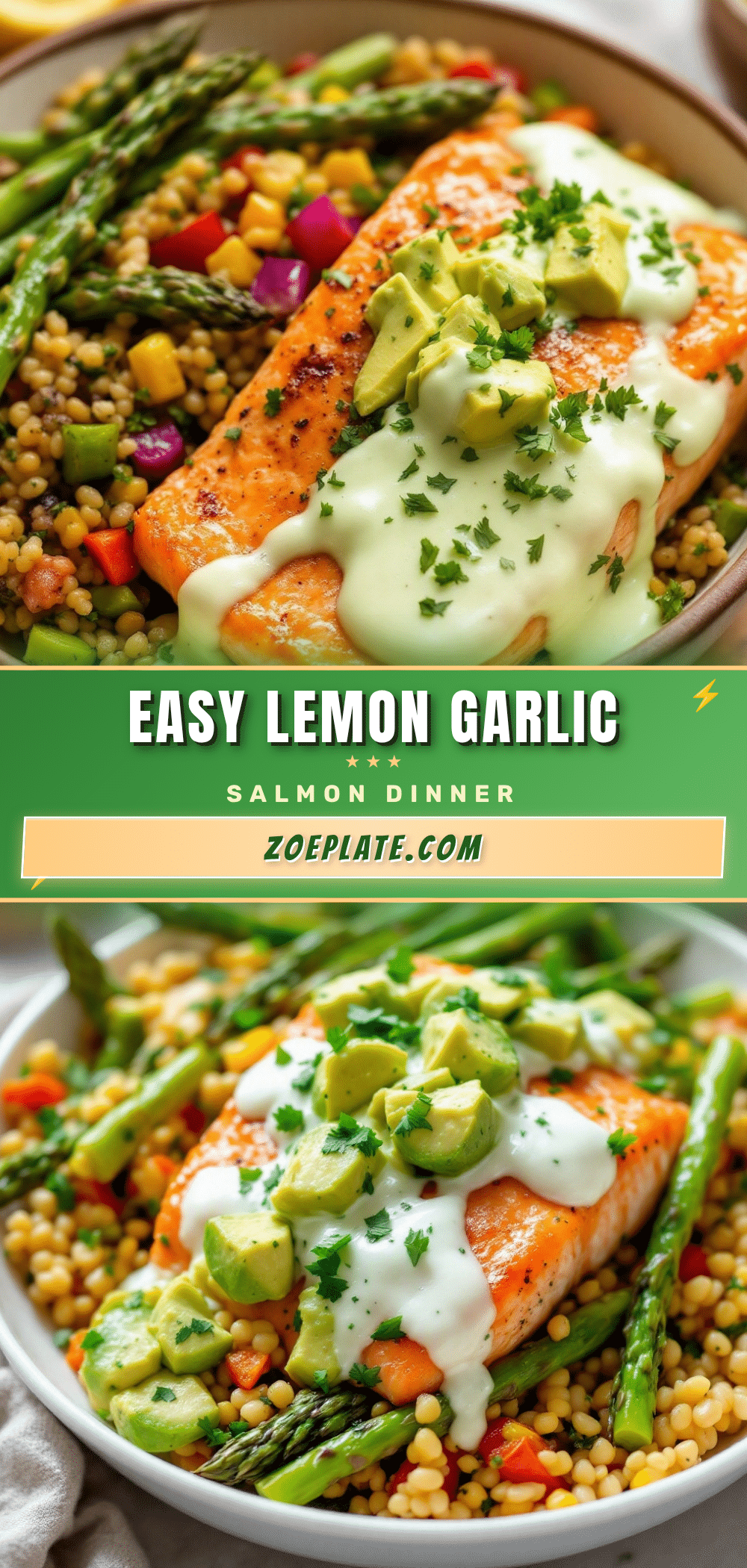
Easy Lemon Garlic Salmon and Asparagus Sheet Pan Dinner

A quick and easy sheet pan dinner featuring tender, flaky salmon and perfectly roasted asparagus, all kissed with bright lemon and savory garlic. Ready in about 25 minutes with minimal cleanup.
- Prep Time: 10 minutes
- Cook Time: 17-20 minutes
- Total Time: 27-30 minutes
- Yield: 4 servings 1x
- Category: Main Course
- Cuisine: American
Ingredients
- 4 salmon fillets (about 6 oz each)
- 1 bunch fresh asparagus (about 1 lb)
- 2 large lemons (1 juiced, 1 sliced)
- 4–5 cloves garlic, minced
- 3 tablespoons olive oil
- 1 teaspoon dried oregano
- Salt and black pepper to taste
- Optional garnishes: fresh dill, parsley, or chives
Instructions
- Preheat the oven to 400°F (200°C). Line a large rimmed sheet pan with parchment paper or aluminum foil.
- Rinse the asparagus and pat dry. Snap off the woody ends. Place the asparagus on one side of the sheet pan.
- Pat the salmon fillets dry with paper towels. Place them on the other side of the sheet pan, skin-side down if they have skin.
- In a small bowl, whisk together olive oil, lemon juice, minced garlic, oregano, 1/2 teaspoon salt, and 1/4 teaspoon black pepper.
- Drizzle about half of the lemon garlic mixture over the asparagus and toss to coat. Spread into a single layer.
- Roast the asparagus for 5 minutes.
- Remove the pan from the oven. Drizzle the remaining lemon garlic mixture over the salmon fillets. Arrange lemon slices around the salmon and asparagus.
- Return to the oven and roast for 12-15 minutes, until the salmon is opaque and flakes easily with a fork, and the asparagus is tender with charred edges.
- Let rest for 2-3 minutes before serving. Garnish with fresh herbs if desired.
Notes
Pat the salmon dry for a better crust. Give the asparagus a 5-minute head start to ensure it’s perfectly tender. Use fresh lemon juice for the best flavor. Let the salmon rest for 2-3 minutes before serving. For thin asparagus, reduce initial roasting time to 3-4 minutes.
Nutrition
- Serving Size: 1 salmon fillet plus
- Calories: 400
- Sugar: 3.5
- Sodium: 450
- Fat: 24
- Saturated Fat: 4
- Carbohydrates: 9
- Fiber: 3.5
- Protein: 40
Keywords: sheet pan salmon, lemon garlic salmon, asparagus, easy dinner, healthy, low-carb, keto, gluten-free, dairy-free, weeknight dinner